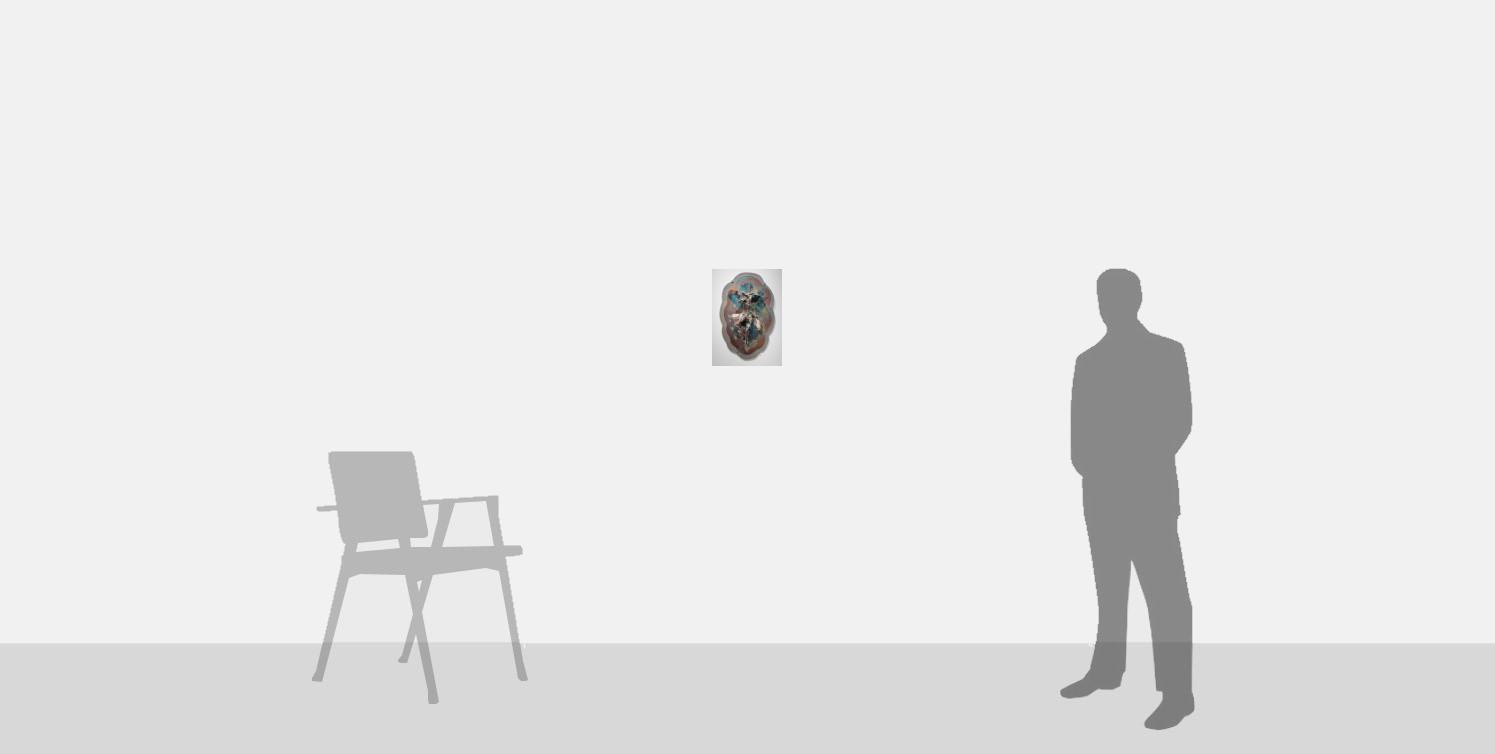

Lucio Fontana
b. 1899, Rosario de Santa Fé, Argentina
d. 1968, Comabbio, Italy
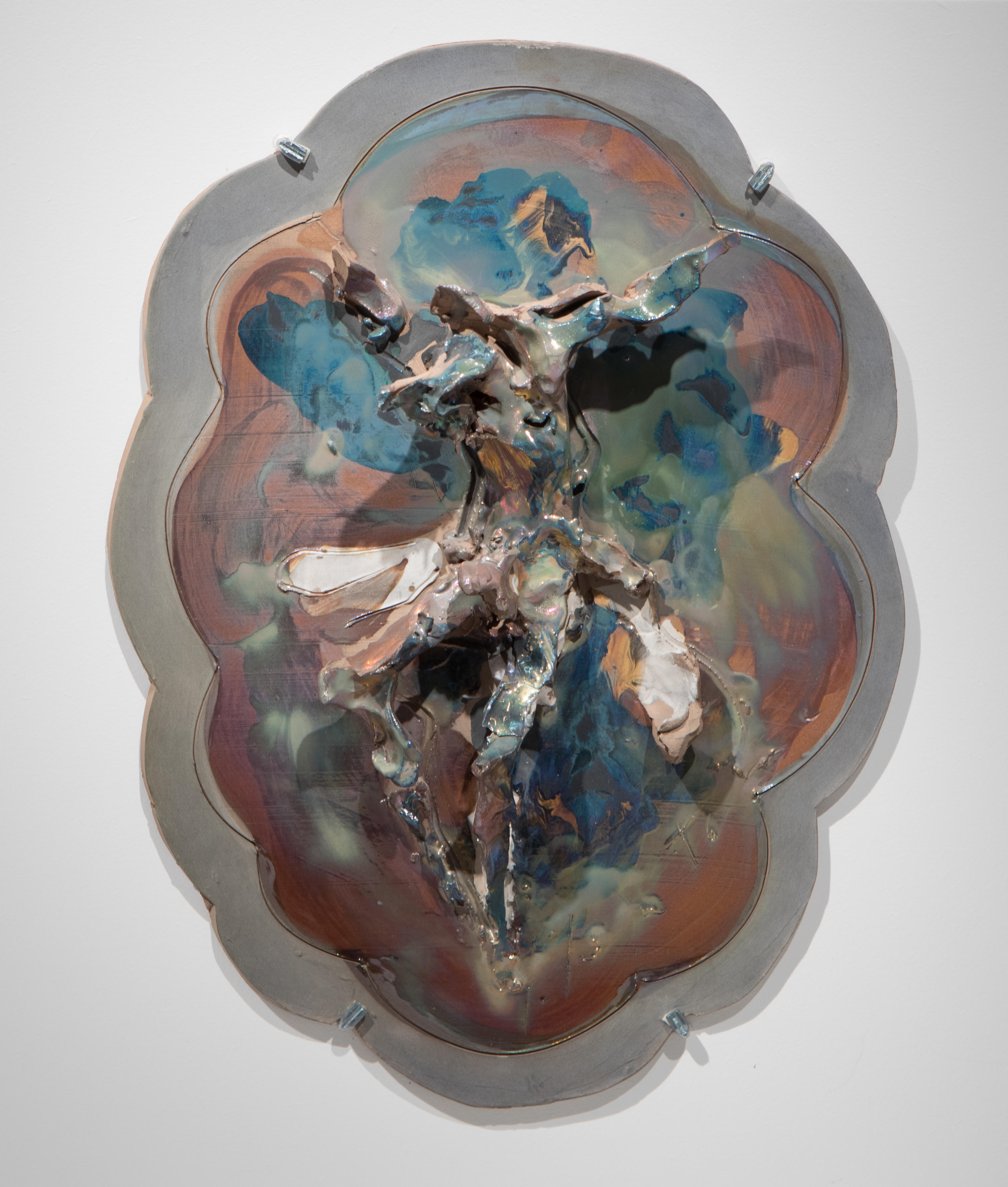
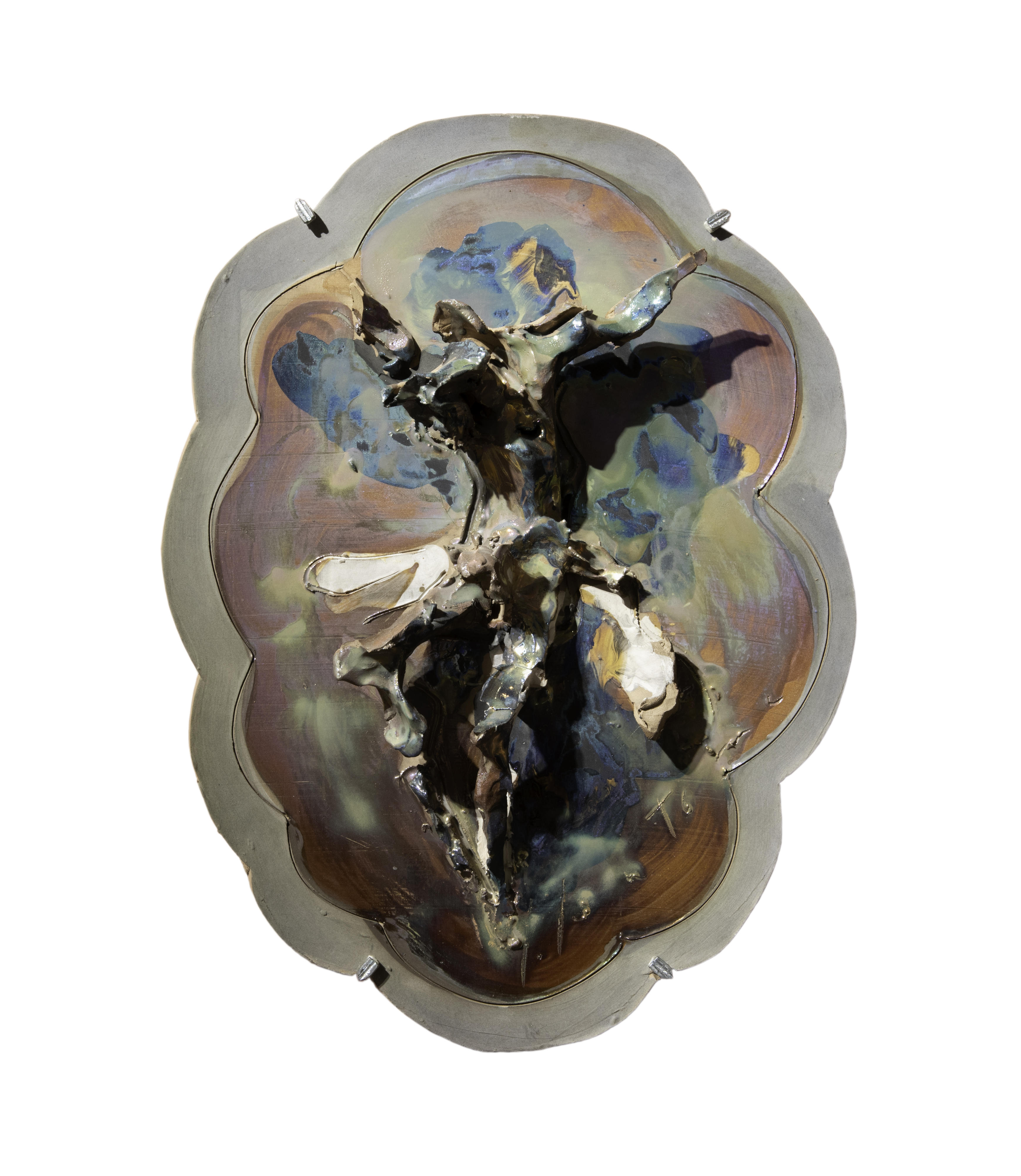
Crucifixion
1957–58
Glazed ceramic
43 x 31 x 7 cm (16 7/8 x 12 1/4 x 2 3/4 in.)
Provenance
Private collection, Milan,
Galerie Karsten Greve, Saint Moritz,
Private collection, Milan.
Literature
Lucio Fontana, l’altro spazio, Milan, 1999, pp. 27, 69, illustrated.
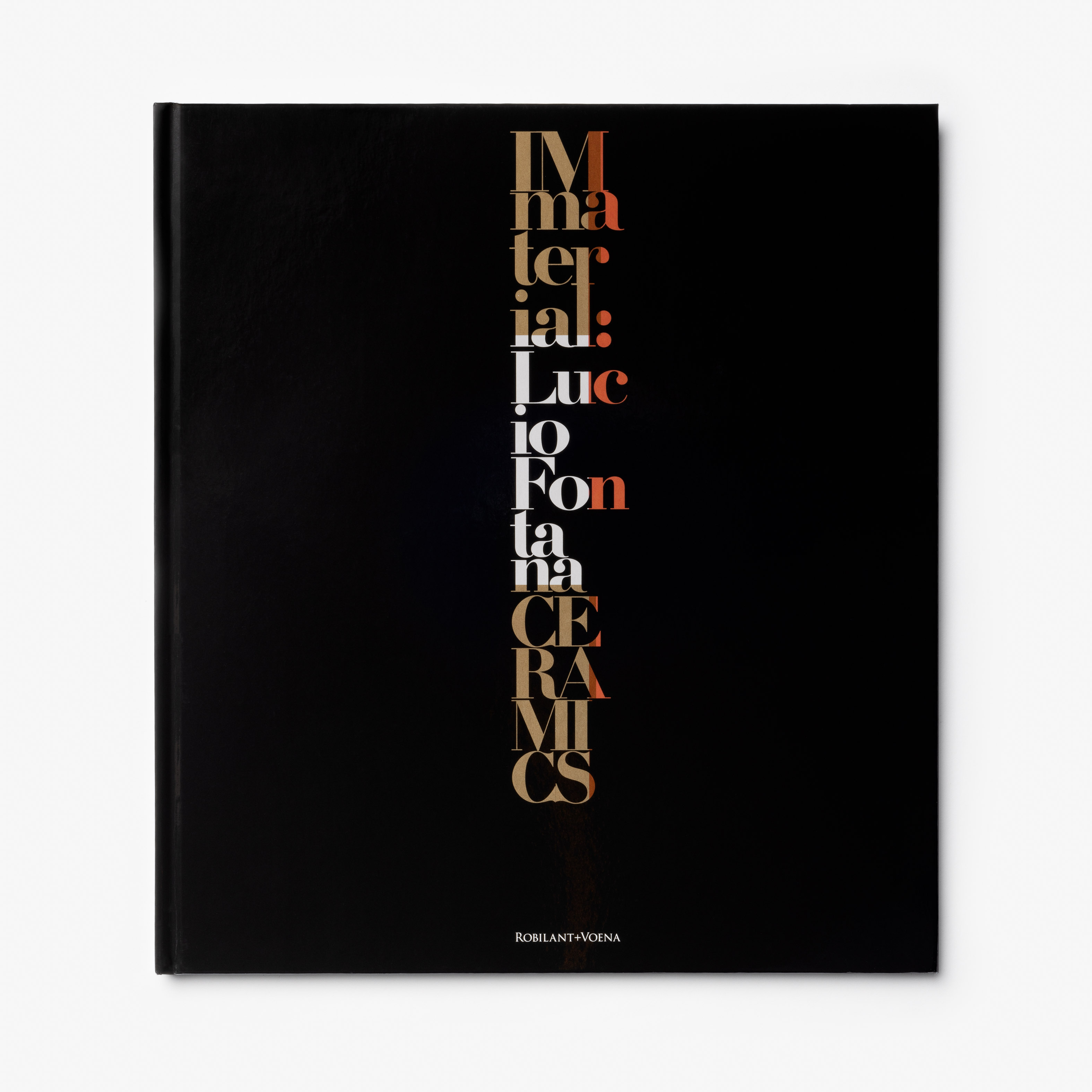
P. Campiglio, IMmaterial: Lucio Fontana CERAMICS, London, 2019, n.p., no. 27, illustrated.
L. M. Barbero (ed.), Lucio Fontana: Catalogo ragionato delle sculture ceramiche, Tomo I, Milan, 2022, p. 317, illustrated, no. 57-58 FFC 15.
P. Campiglio, IMmaterial: Lucio Fontana CERAMICS, London, 2019, n.p., no. 27, illustrated.
L. M. Barbero (ed.), Lucio Fontana: Catalogo ragionato delle sculture ceramiche, Tomo I, Milan, 2022, p. 317, illustrated, no. 57-58 FFC 15.
Description
Presenting one of the most significant events of the New Testament with physical vitality and otherworldly energy, Lucio Fontana’s abstracted Crucifixion evokes the malleability of flesh through the plasticity of clay. The body of Christ disintegrates in the pressings and moldings made by the artist’s fingers, and its materiality is countered by the shimmering colors of the glazed surfaces. The distinction between the body and the cross is dissolved. Fontana’s figure hovers ambiguously between palpable flesh and reflected ethereal light—an expression of literal and spiritual transfiguration, and of Christ’s dual nature as God and man.
Fontana created a number of Crucifixion sculptures in the decade following the Second World War. Some, such as the present example, hang from the wall, while others were freestanding or lie on their sides. The variety of compositions point to Fontana’s simultaneous engagement with public Christian imagery, namely crosses used in Roman Catholic liturgy and ceremonies, and private devotional practices. This particular work, with its scalloped edge and pastelline colors, evokes the ornamental vocabulary and palette of Rococo churches, but renders it on an intimate and scale and in an entirely modern idiom. Unlike earlier images of Christ’s suffering, the sculpture focusses on the ecstatic energy of rebirth, a theme which resonated deeply with Fontana in the postwar era, having himself emerged phoenix-like from the ruins of his Milan studio, which had been destroyed by Allied bombing. Indeed, is was at this very moment that set upon his mission to revolutionize the making and understanding of art. Alluding to the Christian narrative of death and resurrection, works like this one are emblematic of the rebirth of both Fontana and Italian art more broadly following the devastation of war.
The artwork described above is subject to changes in availability and price without prior notice.
Where applicable ARR will be added.
Fontana created a number of Crucifixion sculptures in the decade following the Second World War. Some, such as the present example, hang from the wall, while others were freestanding or lie on their sides. The variety of compositions point to Fontana’s simultaneous engagement with public Christian imagery, namely crosses used in Roman Catholic liturgy and ceremonies, and private devotional practices. This particular work, with its scalloped edge and pastelline colors, evokes the ornamental vocabulary and palette of Rococo churches, but renders it on an intimate and scale and in an entirely modern idiom. Unlike earlier images of Christ’s suffering, the sculpture focusses on the ecstatic energy of rebirth, a theme which resonated deeply with Fontana in the postwar era, having himself emerged phoenix-like from the ruins of his Milan studio, which had been destroyed by Allied bombing. Indeed, is was at this very moment that set upon his mission to revolutionize the making and understanding of art. Alluding to the Christian narrative of death and resurrection, works like this one are emblematic of the rebirth of both Fontana and Italian art more broadly following the devastation of war.
The artwork described above is subject to changes in availability and price without prior notice.
Where applicable ARR will be added.