
Pietro Consagra
b. 1920, Mazara del Vallo, Sicily
d. 2005, Milan
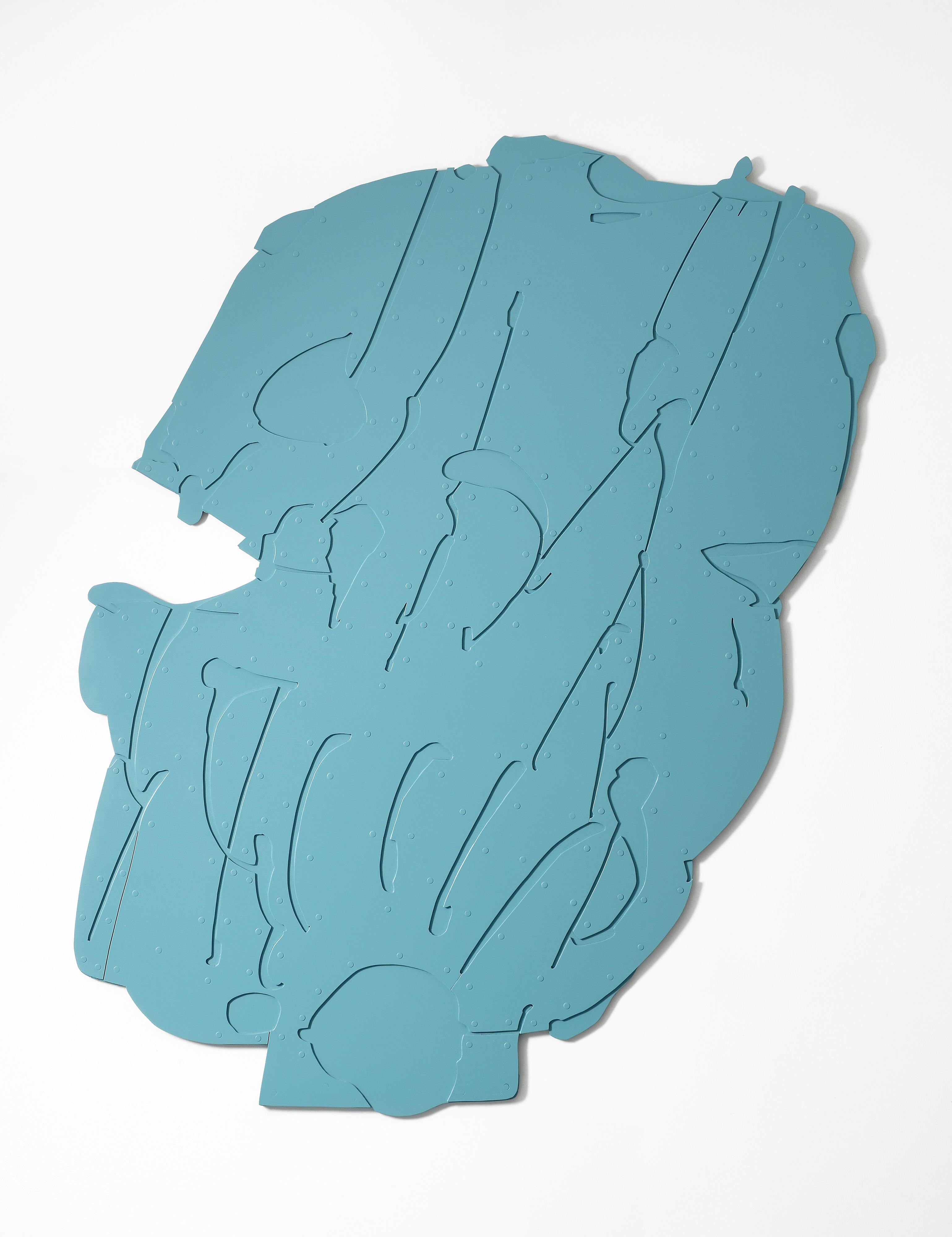
Hanging Plane Blue Aluminium
1966–67
Painted aluminium
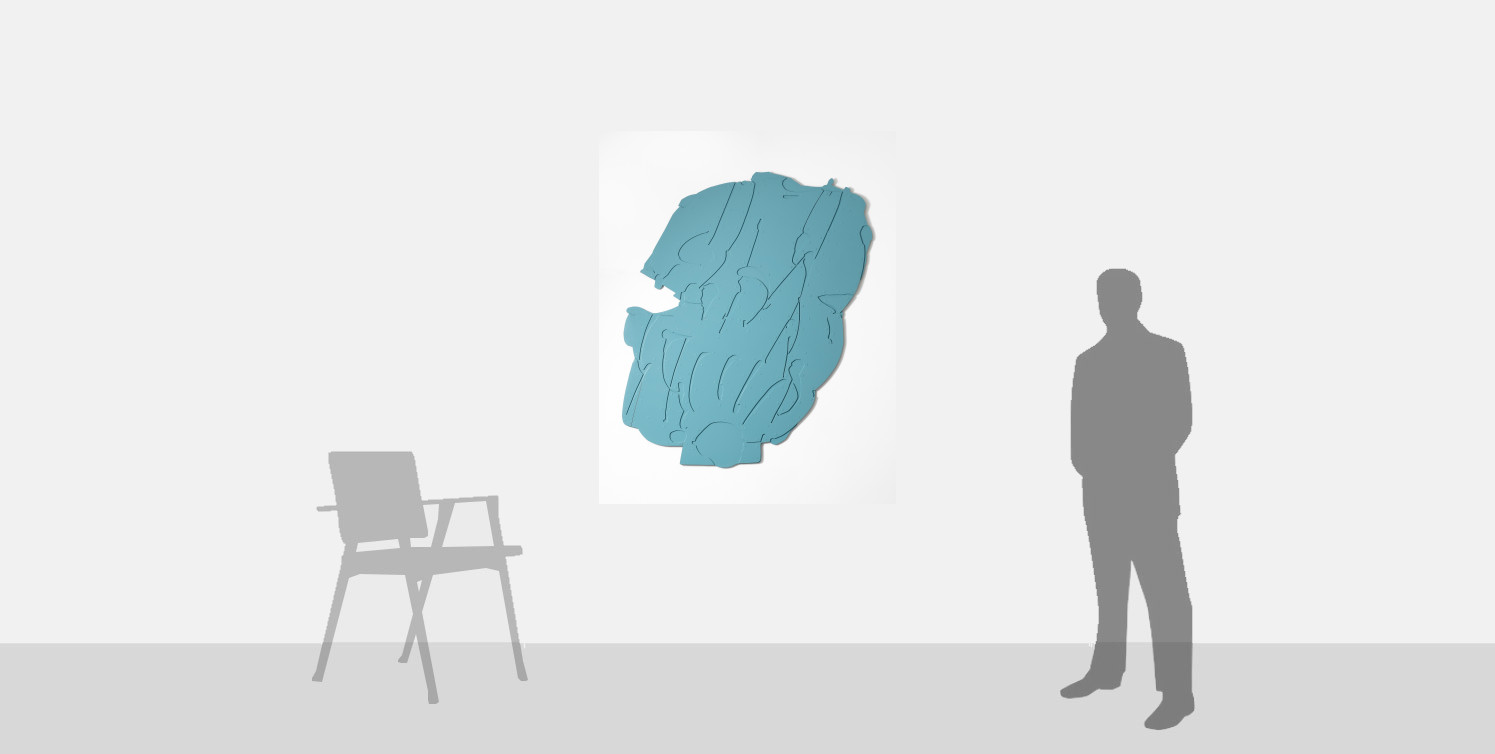
166 x 132 x 1.5 cm (65 3/8 x 52 x 5/8 in.)
Provenance
Literature
Consagra. Mostra 130, exh. cat. Galleria dell’Ariete, Milan, 1967, text by Carla Lonzi, no. 4.
Consagra, exh. cat. Marlborough-Gerson Gallery, New York, 1967, text by Carla Lonzi, no. 17, illustrated.
Guido Ballo, ed., Recent Italian Painting and Sculpture, exh. cat. Jewish Museum, New York, 1968, no. 23, illustrated.
Giovanni Carandente, Mostra di Pietro Consagra. Sculture, exh. cat. Palazzo dei Normanni, Palermo,1973, no. 42, illustrated.
Giorgio Veronesi, ed., Opere di Pietro Consagra (1948–1978), exh. cat. Chiostro di San Nicolò, Spoleto, no. 2.
Guido Ballo, ed., Consagra. Mostra antologica, exh. cat. Palazzo dell’Arengo, Rimini, 1981.
Anna Imponente and Rosella Siligato, eds., Pietro Consagra, exh. cat. Galleria Nazionale d’Arte Moderna, Rome, 1989, no. 47, illustrated.
Maurizio Calvesi, ed., Cento anni di Arte Italiana alla Farnesina, Rome, 2006, illustrated.
Luca Massimo Barbero and Gabriella Di Milia, eds., Pietro Consagra. Necessità del colore. Sculture e dipinti 1964–2000, exh. cat. Museo di Castelvecchio, Verona, 2007–8, p. 135, no. 18, illustrated.
Marco Meneguzzo and Gabriella Di Milia, Pietro Consagra, exh. cat. Galleria Tega, Milan, 2016,
p. 43, illustrated.
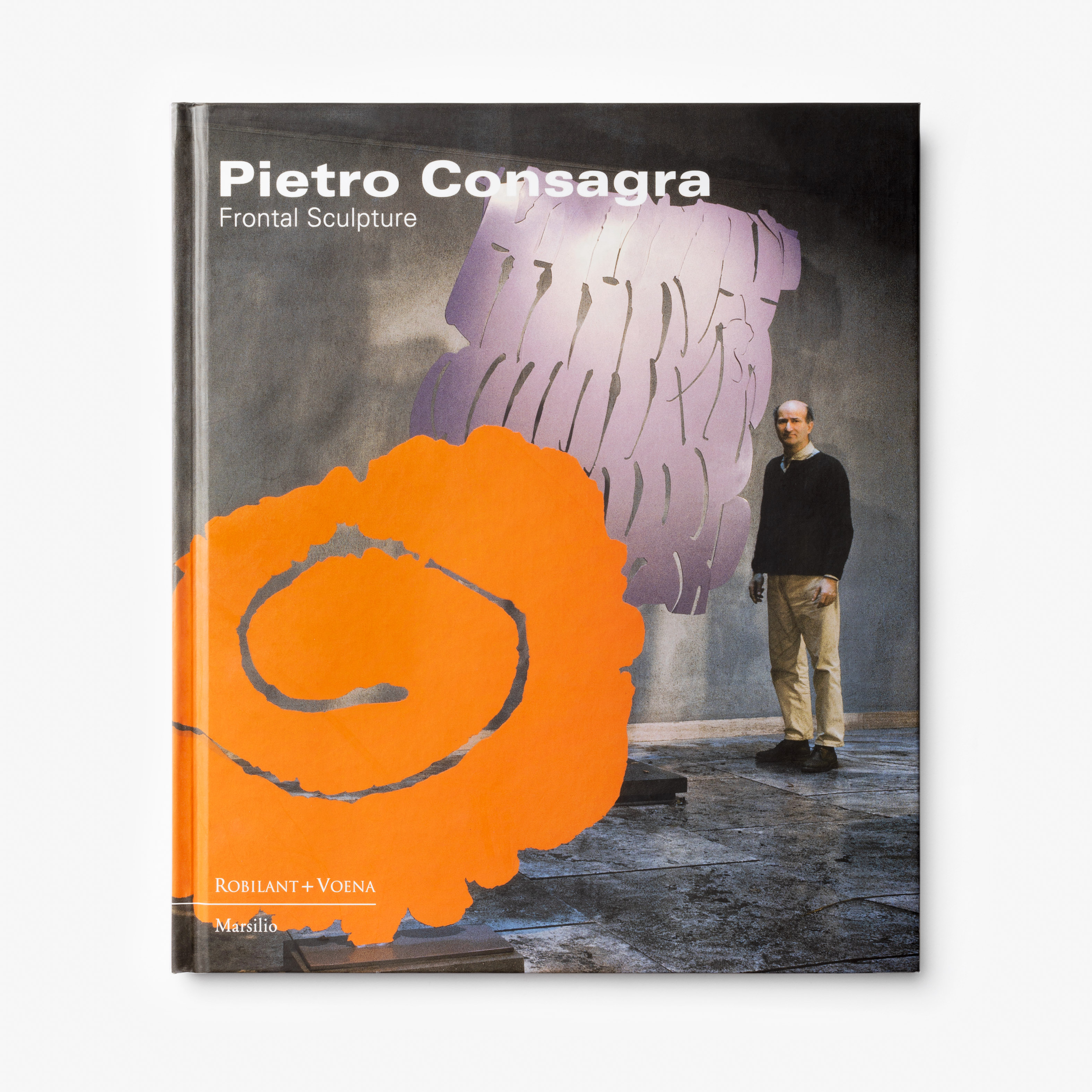
Francesca Pola, ed., Pietro Consagra. Frontal sculpture 1947–1967, exh. cat. Robilant+Voena, London, 2018, p. 132, no 125, illustrated.
Description
With the advent of Pop Art and following Robert Rauschenberg’s victory at the Venice Biennale of 1964, Consagra embarked on a period of self-reflection, during which he began working intensely with paint. In the Piani Sospesi (Suspended Planes, 1964–65), the Ferri trasparenti (Transparent Irons, 1965–66), the Giardini (Gardens, 1965–66), and the Piani appesi (Hanging Planes, 1966–67). It is to this last series that Piano Appeso Alluminio Celeste, 1966–67, belongs. Consagra applied paint to the metal surfaces of his sculptures in the bright colors—reds, purples, blues, yellows, and pinks—made explosively popular by Pop Art. Given the industrial nature of the metal he used in his works, and their omnipresence in the urban environment, Consagra envisaged these monochrome pieces as transcendent emblems of a new formal and spiritual landscape, one which challenged the primacy and authority of the cities around us, privileging instead the perception, imagination, and humanity of the beholder.
The artwork described above is subject to changes in availability and price without prior notice.
Where applicable ARR will be added.