
Pompeo Batoni
b. 1708, Lucca
d. 1787, Rome
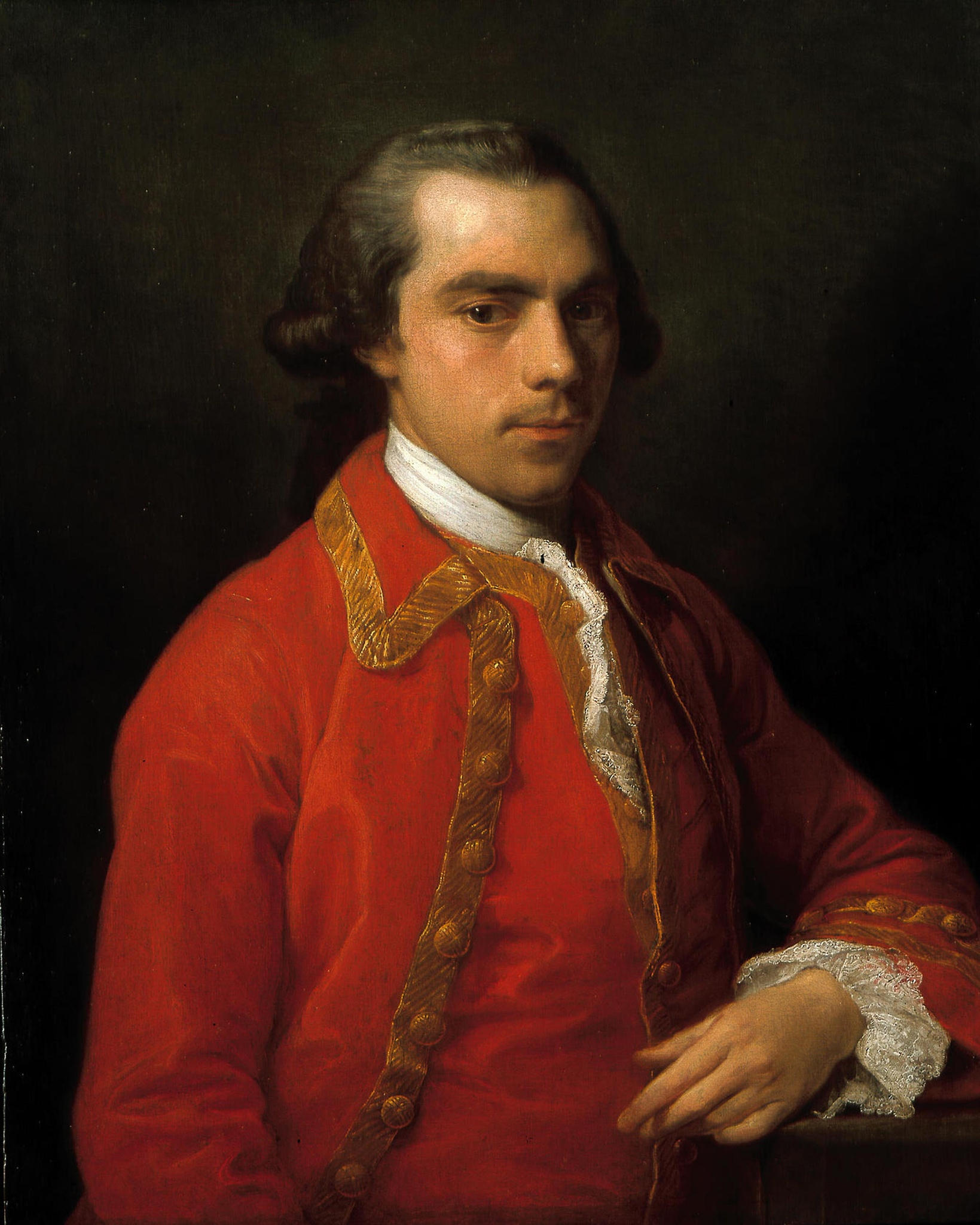
Portrait of a Gentleman
c. 1762
Oil on canvas
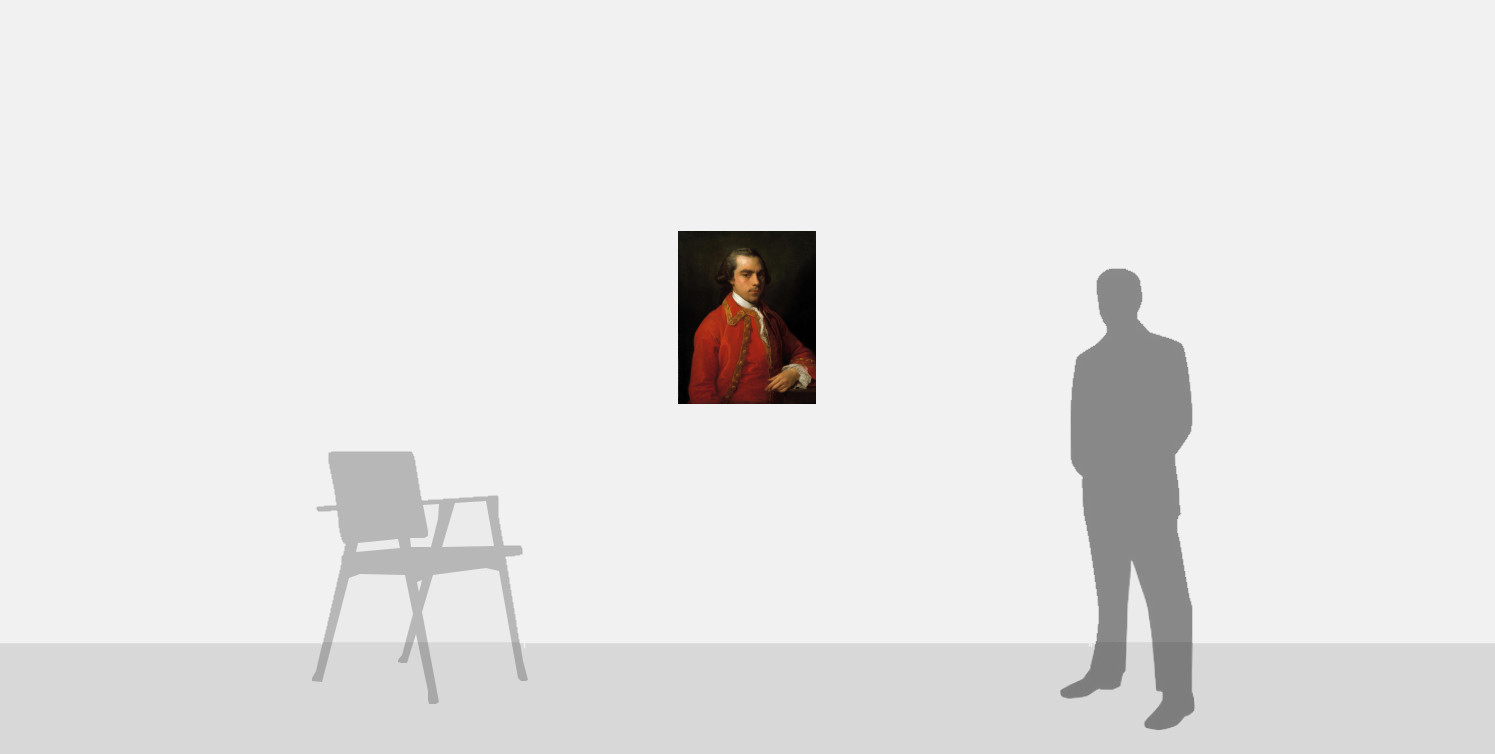
77 x 61.5 cm (30 1/4 x 24 1/4 in.)
Provenance
Christie’s, London, 12 July 1991, lot 20 (as Portrait of a Gentleman, thought to be Joseph Mansel, by Nathaniel Dance);
Walpole Gallery, London, 1997;
Koelliker collection, Milan.
Literature
P. P. Quieto in I volti del potere: ritratti di uomini illustri a Roma dall'impero romano al neoclassicismo, catalogue of the exhibition ed. by F. Petrucci, Roma 2004, p. 154.
F. Petrucci, Pittura di ritratto a Roma.Il Settecento, Roma 2010, p. 413.
A. Galli in
Portraits/Self-Portraits from the 16th to the 21st Century, catalogue of the exhibition ed. by G. E. Sperone - M. Voena, New York, 2012, pp. 68–69.E. P. Bowron, Pompeo Batoni, a Complete Catalogue of his Paintings, New Haven - London, 2016, vol. 1, p. 305, no. 248.
Description
A contemporary of Pompeo Batoni, the great French connoisseur Pierre-Jean Mariette, once wrote that the artist had 'a seductive brush that he uses in the grand finishing, he pleases and cannot suffice the commissions that he receives.' Hailing from a modest Tuscan town, Batoni became the most popular portraitist in Italy. The son of a metalsmith from the city of Lucca, he won the Prix de Rome at the age of fifteen for bringing a chalice, made by his father Paolino Batoni, to Pope Benedict XIII. Might it have been his first apprenticeship as a metal engraver that had gave his works such a degree of precision, of 'grand finishing,' as Mariette wrote? Whatever the case, from the mid-eighteenth century, Batoni was the principal portraitist in Rome of visitors from abroad, especially English aristocrats on the Grand Tour—everyone who was anyone wanted a portrait by Batoni.
Previously attributed to Nathaniel Dance, the present portrait is now recognised as the work of Batoni. Edgar Peters Bowron dates it to c. 1762, based on comparisons with the Portrait of George Craster of the same year (private collection) and the Portrait of Augustus Henry Fitzroy, 3rd Duke of Grafton (National Portrait Gallery, London).
The identity of the sitter is not known, but his elegance is undeniable. His red suit, worn over a white shirt embellished with lace cuffs and collar, is embellished with gold braiding. From his dignified gaze to the lovely gesture of his hand, from the skillful modelling of the folds of his costume to the details of its trimmings, each element of this work is rendered with the 'grand finishing' British clients expected of Batoni, whose portraits unequivocally exude aristocratic sprezzatura.
The artwork described above is subject to changes in availability and price without prior notice.
Previously attributed to Nathaniel Dance, the present portrait is now recognised as the work of Batoni. Edgar Peters Bowron dates it to c. 1762, based on comparisons with the Portrait of George Craster of the same year (private collection) and the Portrait of Augustus Henry Fitzroy, 3rd Duke of Grafton (National Portrait Gallery, London).
The identity of the sitter is not known, but his elegance is undeniable. His red suit, worn over a white shirt embellished with lace cuffs and collar, is embellished with gold braiding. From his dignified gaze to the lovely gesture of his hand, from the skillful modelling of the folds of his costume to the details of its trimmings, each element of this work is rendered with the 'grand finishing' British clients expected of Batoni, whose portraits unequivocally exude aristocratic sprezzatura.
The artwork described above is subject to changes in availability and price without prior notice.