
Agostino Bonalumi
b. 1935, Vimercate, Italy
d. 2013, Desio, Italy
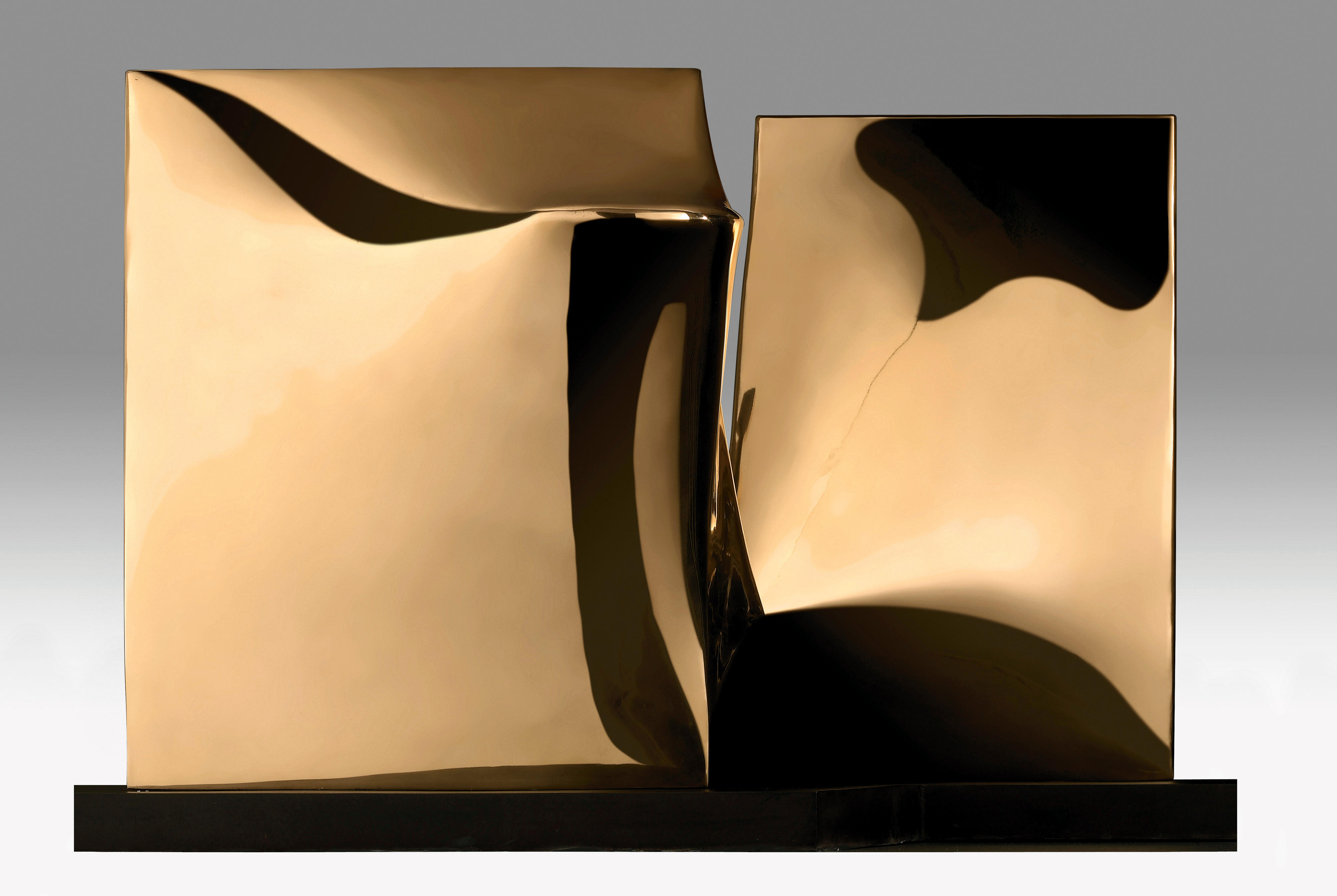
Bronzo (Bronze)
1967–2006
Bronze
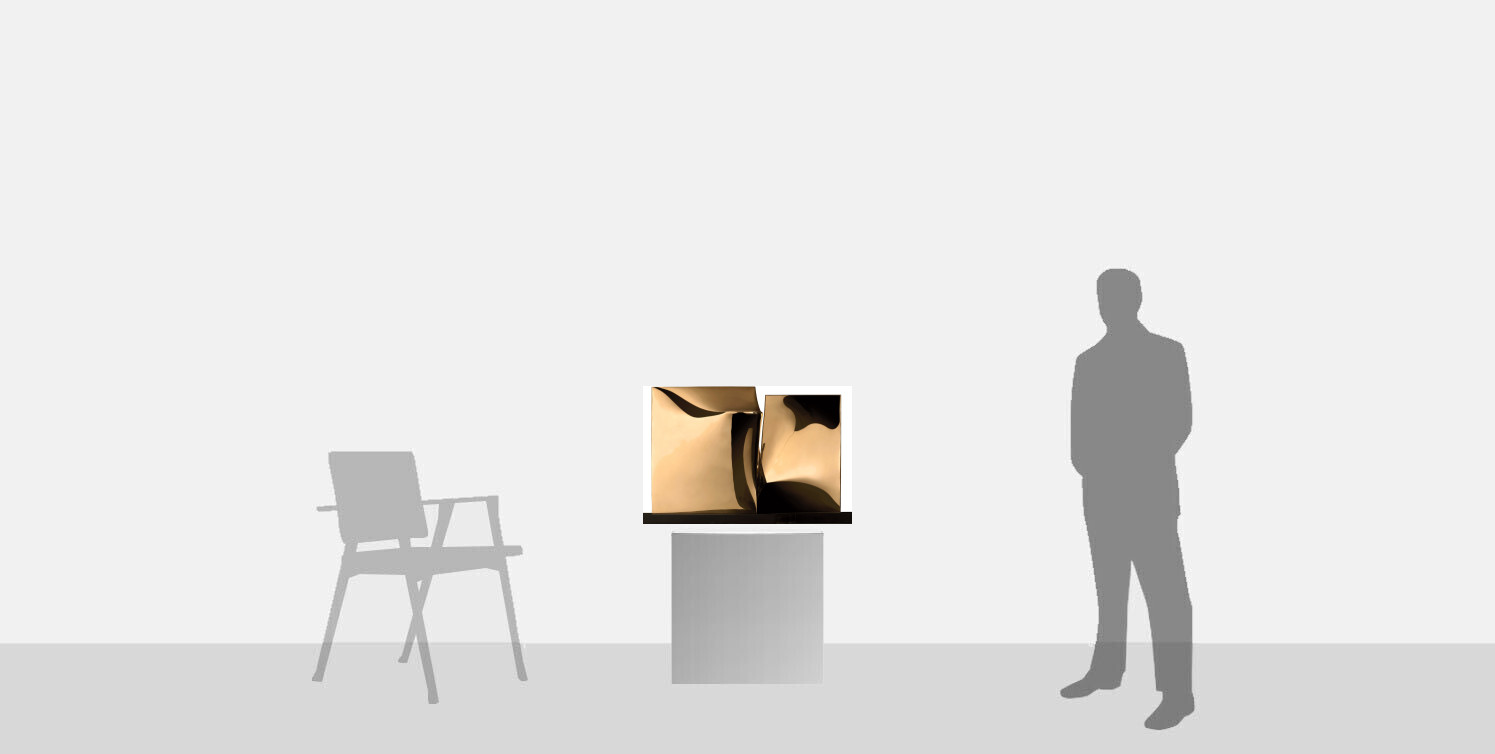
61.5 x 93 x 63 cm (24 1/4 x 36 5/8 x 24 3/4 in.)
Edition 5/6
Provenance
Archivio Bonalumi, Milan.
Literature
F. Pola, Bonalumi. Sculture, Milan, 2014. p. 262.
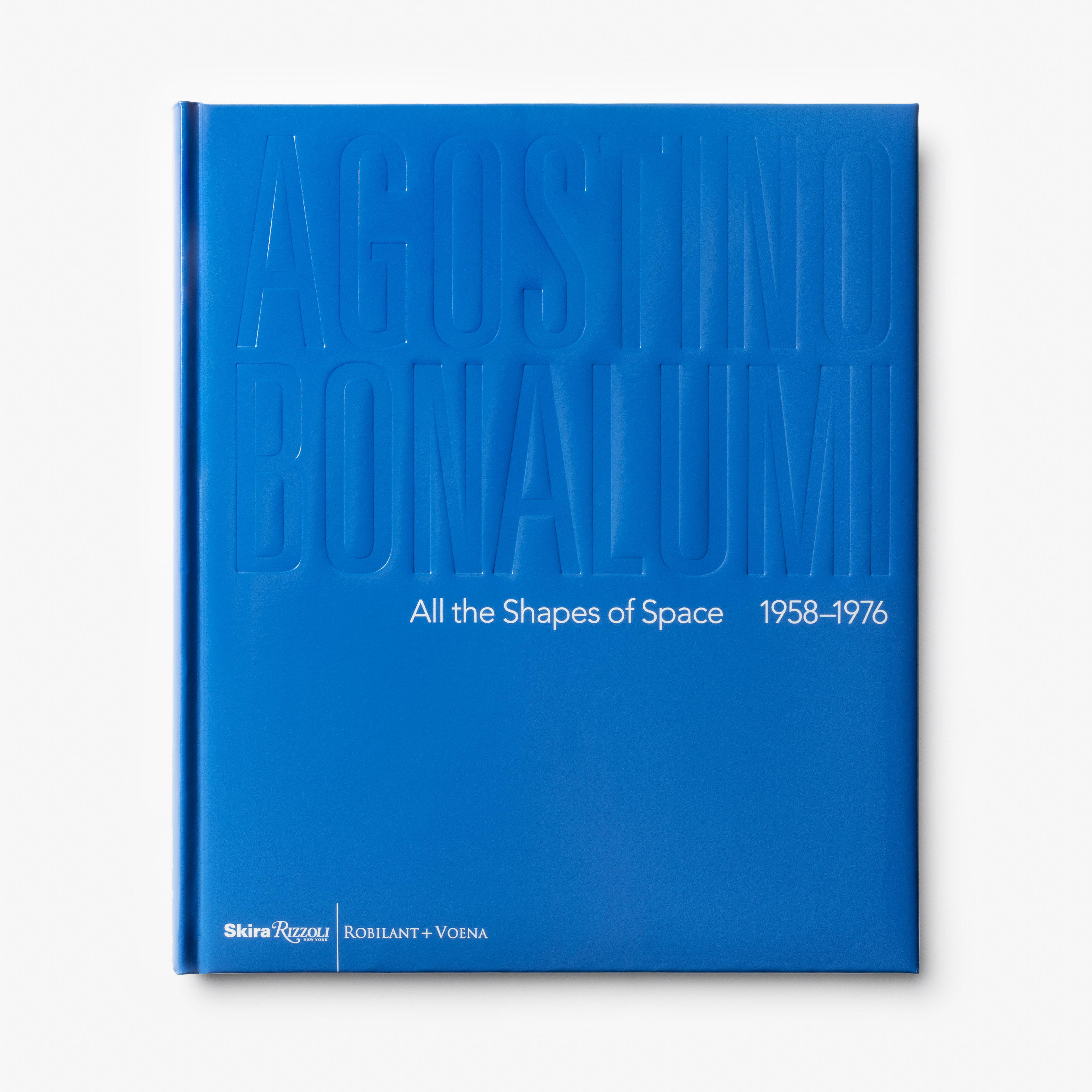
A. Fiz, F. Bonalumi, Bonalumi, exhibition catalogue, Milan, 2014, p. 154, illustrated p. 155.
M. M. Rondanelli, La materia dell'arte. Quando la scoperta di nuovi materiali influenza la Musa, Milan, 2011, p. 91.
F. Bonalumi and M. Meneguzzo, Agostino Bonalumi. Catalogue Raisonné, Milan, 2015, Vol. I, illustrated pp. 74-75; Vol. II, p. 414, fig. 364.
Description
Agostino Bonalumi was born on July 10th 1935 in Vimercate, an industrial suburb north of Milan. Entirely self-taught in fine art techniques, he went on to study technical and mechanical drawing at the Institute Tecnico Industriale with a view to becoming a tracer. This, however, was abandoned, and he went on to pursue a career as an artist as soon as he left university. After his first solo exhibition, which took place at the Galleria Totti, Milan in 1956, Bonalumi was introduced to Piero Manzoni and Enrico Castellani at the studio of Enrico Baj. Both a friendship and a working relationship were formed, and Bonalumi would continue to exhibit and collaborate with these two artists for much of his early career, with collective exhibitions in Rome, Lausanne and at Milan’s Galleria Pater being shown throughout 1958. Arguably, it was this moment that really kickstarted Bonalumi’s career, earning him a reputation throughout Italy.
In his work Bonalumi’s main aim is to give shape to the tensions of space, offering through and elasticity of colour a new take on the art-life duality. His work represents the pure space of experience, excluding any sign or symbolic element, in a dimension of totality that has led experts to describe them as “metaforms” that are “generated by a geometric matrix of the imagination”. Each form he creates is a spatial thought of deliberately ambiguous, unsettling, elusive rationality.
In his work Bonalumi’s main aim is to give shape to the tensions of space, offering through and elasticity of colour a new take on the art-life duality. His work represents the pure space of experience, excluding any sign or symbolic element, in a dimension of totality that has led experts to describe them as “metaforms” that are “generated by a geometric matrix of the imagination”. Each form he creates is a spatial thought of deliberately ambiguous, unsettling, elusive rationality.