
Mimmo Rotella
b. 1918, Catanzaro, Italy
d. 2006, Milan, Italy
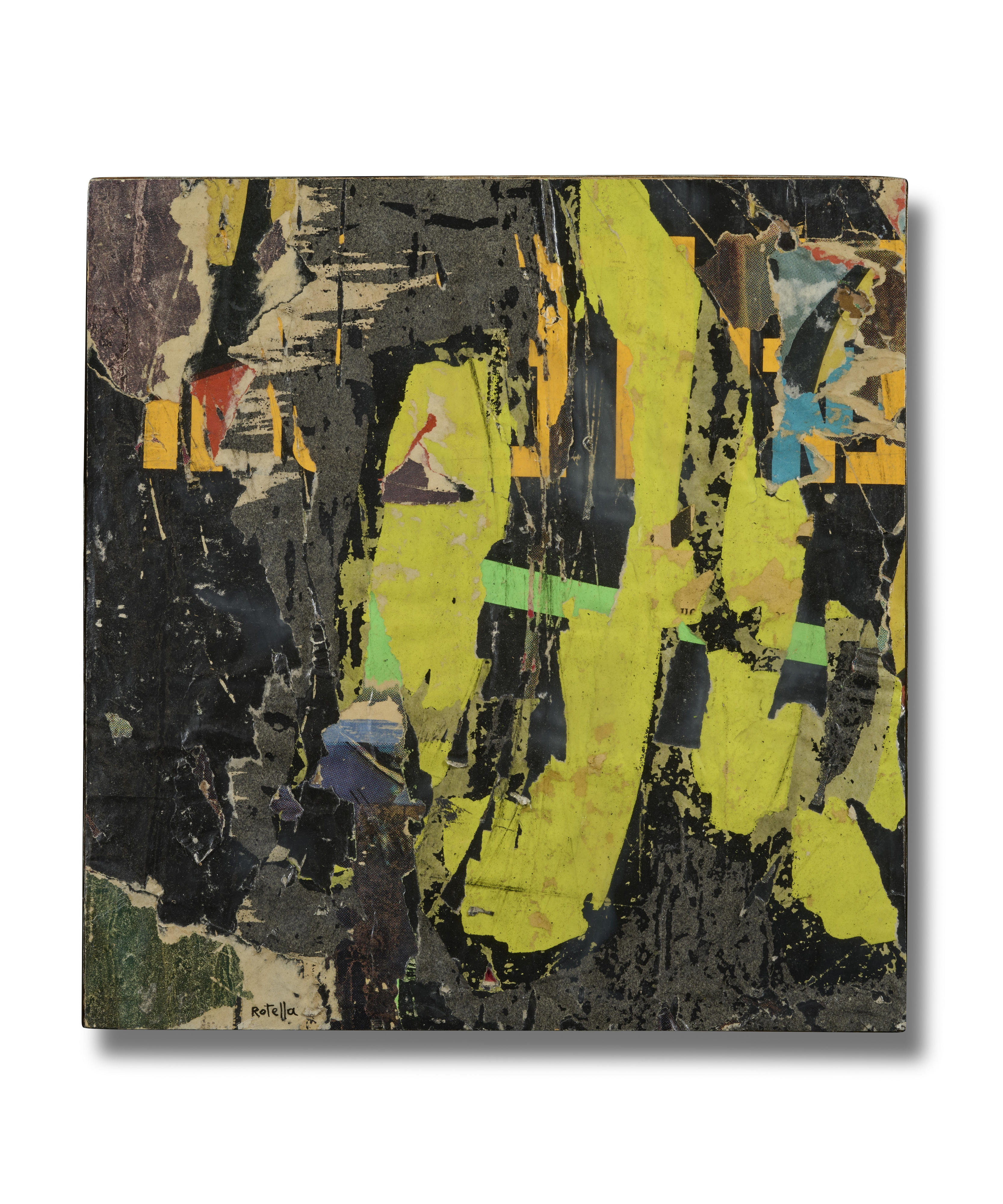
Untitled
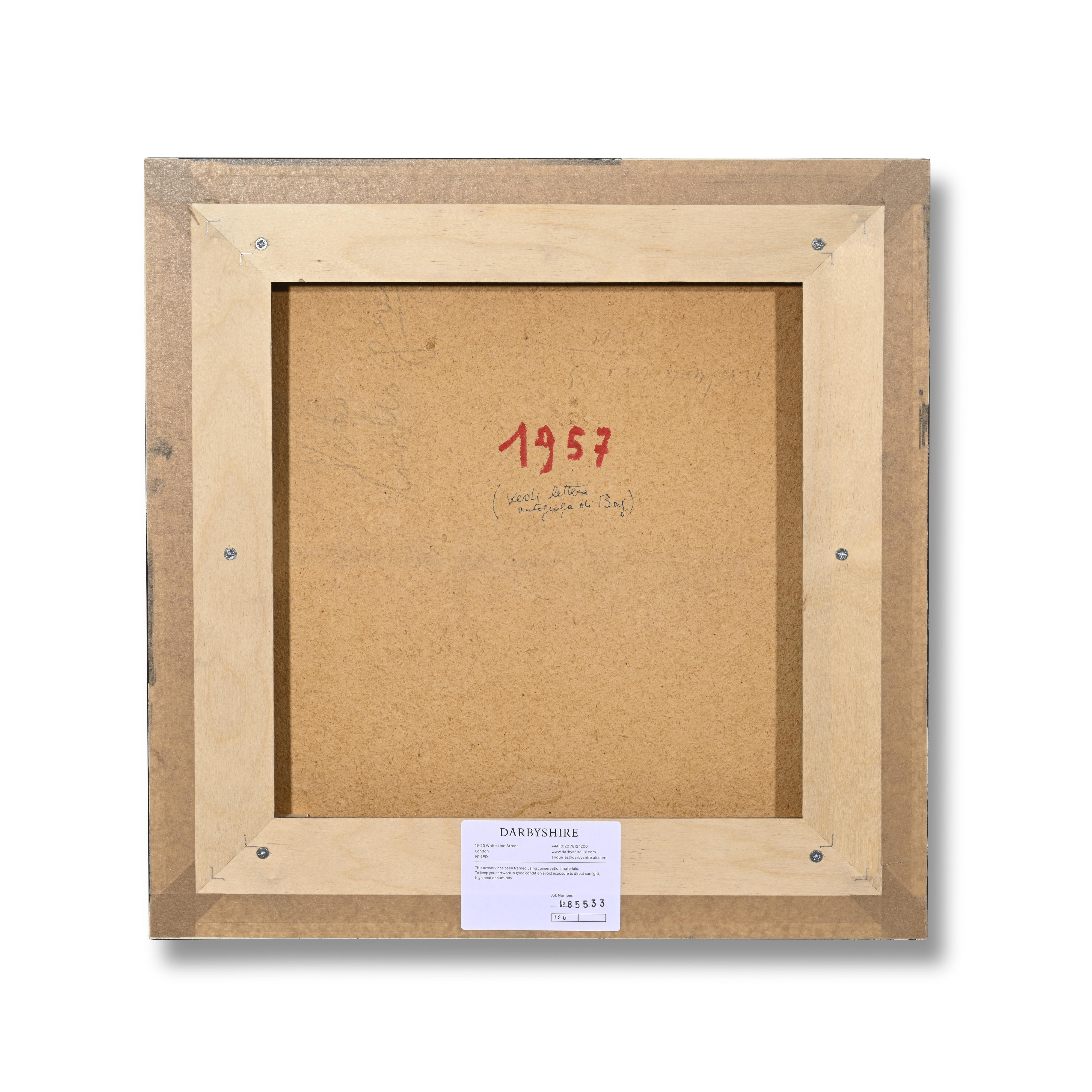
1957
Décollage on paper
41 x 40 cm (16 1/8 x 15 3/4 in.)
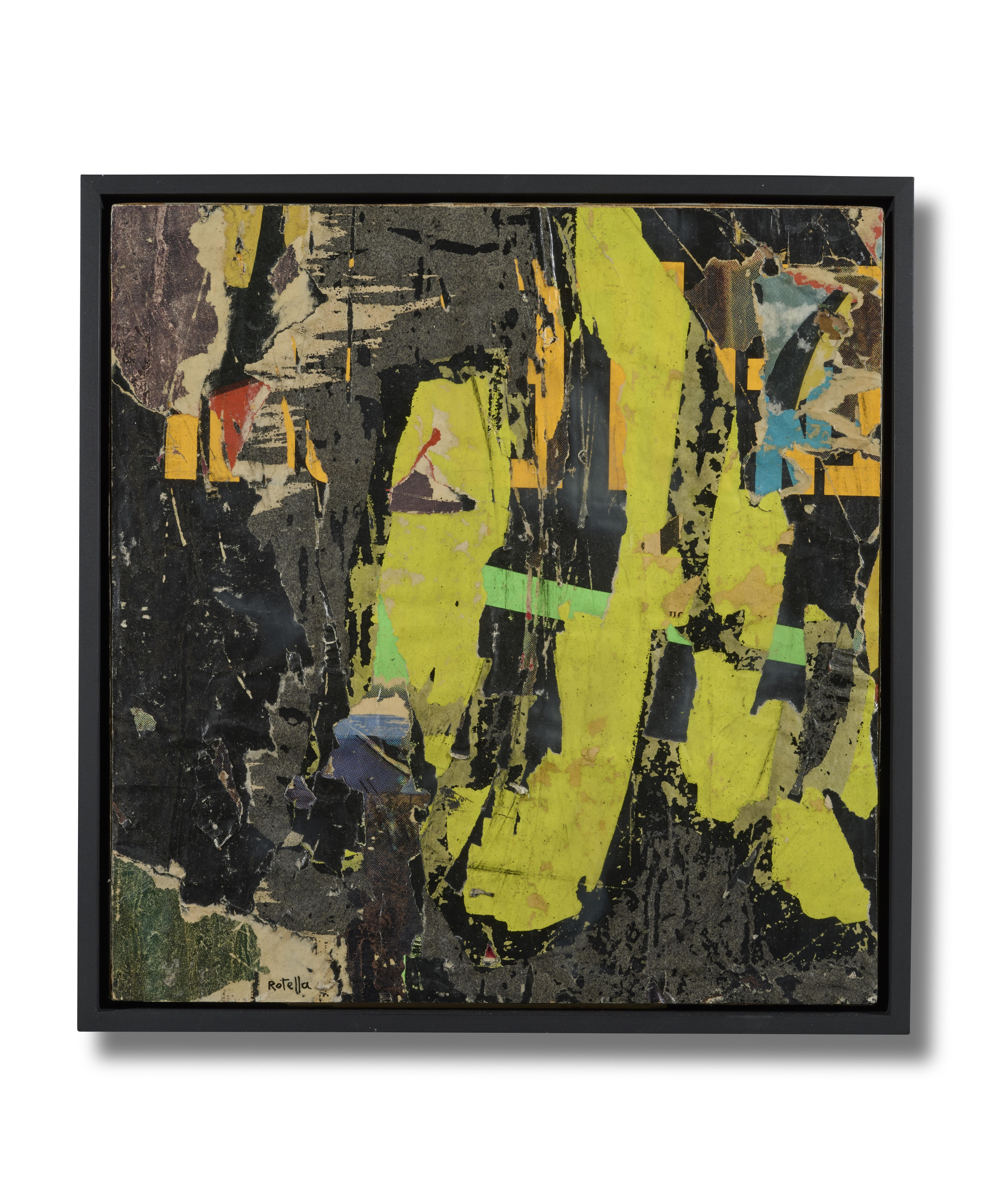
With frame: 44.5 x 43.5 cm (17.5 x 17 1/8 in.)
Provenance
Private collection.
Literature
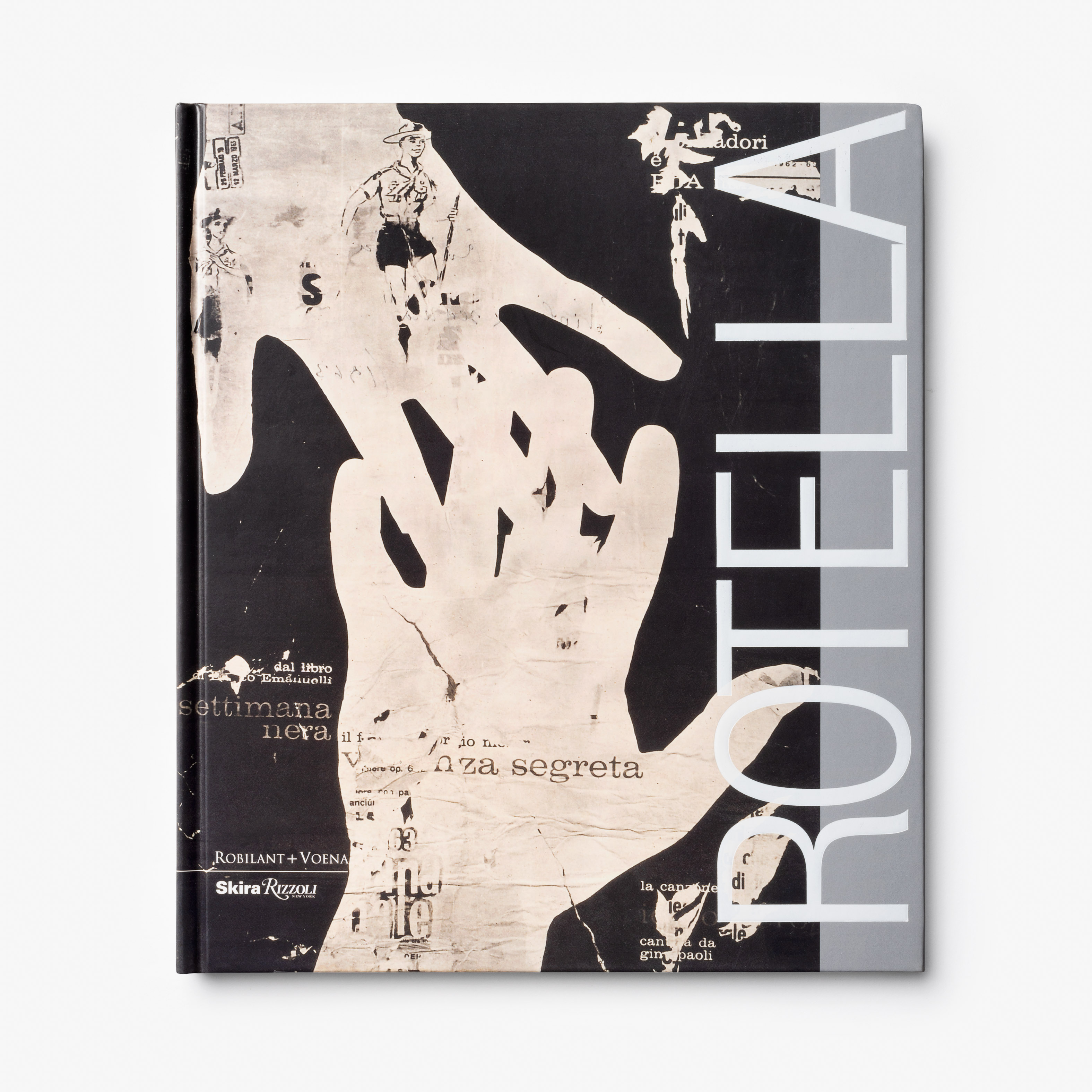
A. Soldaini, Mimmo Rotella, Milan, 2015, pp. 70 & 204, n. 32, illustrated.
G. Celant, Mimmo Rotella: catalogo
ragionato, I, 1944–1961, Milan, 2016, p. 601 no. 1957 090, illustrated p. 347.
Description
“The process of linguistic excavation of the cultural object, the poster, was implemented through the 'artistic' procedures established by Burri and Fontana: the former making the material speak for itself and reveal its energy; the latter incising its surface, either with a slash or a hole, to find an 'other' space. Rotella integrated these two techniques in décollage.” Germano Celant, Mimmo Rotella, Milan, 2004, p. 36.
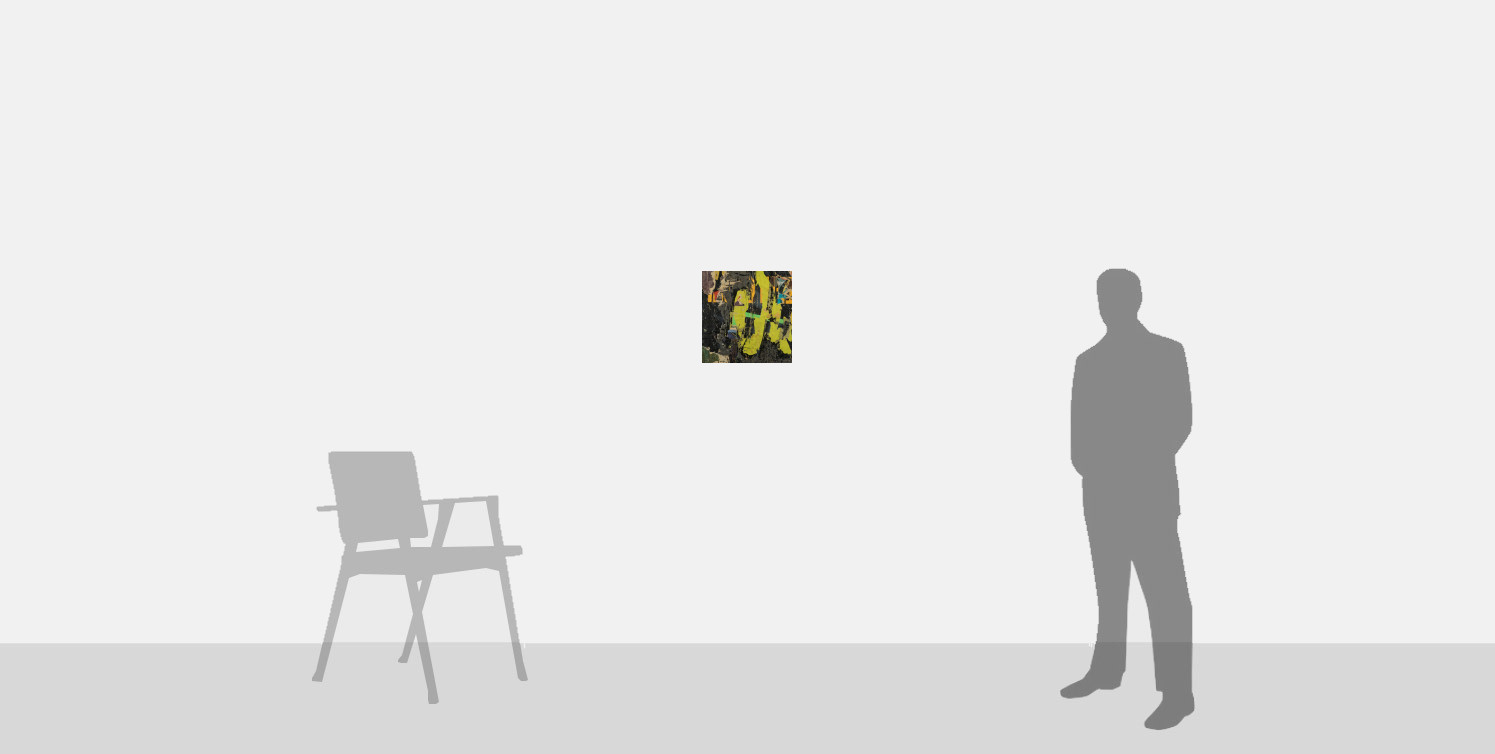
Untitled, 1957 embodies an early example of Mimmo Rotella’s décollages, an artistic practice that involved the removal or tearing of pieces of worn-out commercial posters from the streets of Rome, which he would later reassemble by applying Vinavil (a PVA-based adhesive) diluted with water on prepared canvas. Pursuing his investigation into abstract art, by re-appropriating the designated intellectual frameworks of the posters’ content, his non-representational compositions introduced new visual dialogues that aimed to highlight aesthetic values such as the vitality of colours, materiality and compositional conception. More specifically, the present work reflects the delicacy of Rotella’s craftsmanship by showcasing the formation of a carefully abstract compositional construction which involves the relationship of colours and the juxtaposition of the roughly shaped strips of paper.
Many view Rotella as the Italian answer to Andy Warhol. The two artists were active during very similar periods and shared many of the same artistic and conceptual preoccupations. Both were obsessed with cinema: Warhol was mesmerized by the stars of the silver screen and Rotella similarly allowed the imagery and style of Hollywood to soak into his praxis. Moreover, both relied on the brazen appropriation of marketing and advertising imagery in the creation of their best-known works: where Warhol reproduced his Brillo boxes and Campbell soup cans in painted facsimile, Rotella transliterated the posters of Rome into his works directly. Both Warhol and Rotella were innovators in adopting printing technologies for their fine art practice, with Warhol pioneering the use of silkscreen and Rotella subverting a billboard printing technology known as Artypo in order to further inject his work with a machine-like aesthetic. Rotella had travelled to America in the early 1950s after winning a Fulbright scholarship at Kansas City University. It is indisputable that this formative experience allowed the American zeitgeist to bleed into his oeuvre in a manner that is entirely redolent of Warhol.
The present work shows a crucial difference between the two artists, however, namely Rotella's investigation into abstraction. In this décollage, the artist allows his pioneering technique to ignite emotional involvement towards the subject matter – the artwork’s material itself – acting as a statement of his belief that the age of painting had come to an end and that art should be identified within the artist’s gesture. Eschewing figurative representation since 1952, Rotella did not entirely forsake reality as his new technique of décollage was directly linked to society, its cities and its streets.
Untitled, 1957 embodies an early example of Mimmo Rotella’s décollages, an artistic practice that involved the removal or tearing of pieces of worn-out commercial posters from the streets of Rome, which he would later reassemble by applying Vinavil (a PVA-based adhesive) diluted with water on prepared canvas. Pursuing his investigation into abstract art, by re-appropriating the designated intellectual frameworks of the posters’ content, his non-representational compositions introduced new visual dialogues that aimed to highlight aesthetic values such as the vitality of colours, materiality and compositional conception. More specifically, the present work reflects the delicacy of Rotella’s craftsmanship by showcasing the formation of a carefully abstract compositional construction which involves the relationship of colours and the juxtaposition of the roughly shaped strips of paper.
Many view Rotella as the Italian answer to Andy Warhol. The two artists were active during very similar periods and shared many of the same artistic and conceptual preoccupations. Both were obsessed with cinema: Warhol was mesmerized by the stars of the silver screen and Rotella similarly allowed the imagery and style of Hollywood to soak into his praxis. Moreover, both relied on the brazen appropriation of marketing and advertising imagery in the creation of their best-known works: where Warhol reproduced his Brillo boxes and Campbell soup cans in painted facsimile, Rotella transliterated the posters of Rome into his works directly. Both Warhol and Rotella were innovators in adopting printing technologies for their fine art practice, with Warhol pioneering the use of silkscreen and Rotella subverting a billboard printing technology known as Artypo in order to further inject his work with a machine-like aesthetic. Rotella had travelled to America in the early 1950s after winning a Fulbright scholarship at Kansas City University. It is indisputable that this formative experience allowed the American zeitgeist to bleed into his oeuvre in a manner that is entirely redolent of Warhol.
The present work shows a crucial difference between the two artists, however, namely Rotella's investigation into abstraction. In this décollage, the artist allows his pioneering technique to ignite emotional involvement towards the subject matter – the artwork’s material itself – acting as a statement of his belief that the age of painting had come to an end and that art should be identified within the artist’s gesture. Eschewing figurative representation since 1952, Rotella did not entirely forsake reality as his new technique of décollage was directly linked to society, its cities and its streets.