Sean Scully was born in Dublin, moved to London in 1949 and settled in America in the mid-1970s. He is widely regarded as one of the most important abstract painters of his generation, particularly known for his use of colour and geometry, infused with emotion and rich with references to art historical traditions.
Having studied at the Central School of Art, Croydon College of Art and Newcastle University, Scully was awarded a Frank Knox Fellowship at Harvard University (1972–73), a Harkness Fellowship in 1975 and has held teaching posts at Chelsea School of Art and Design, Goldsmith’s College, and Princeton University.
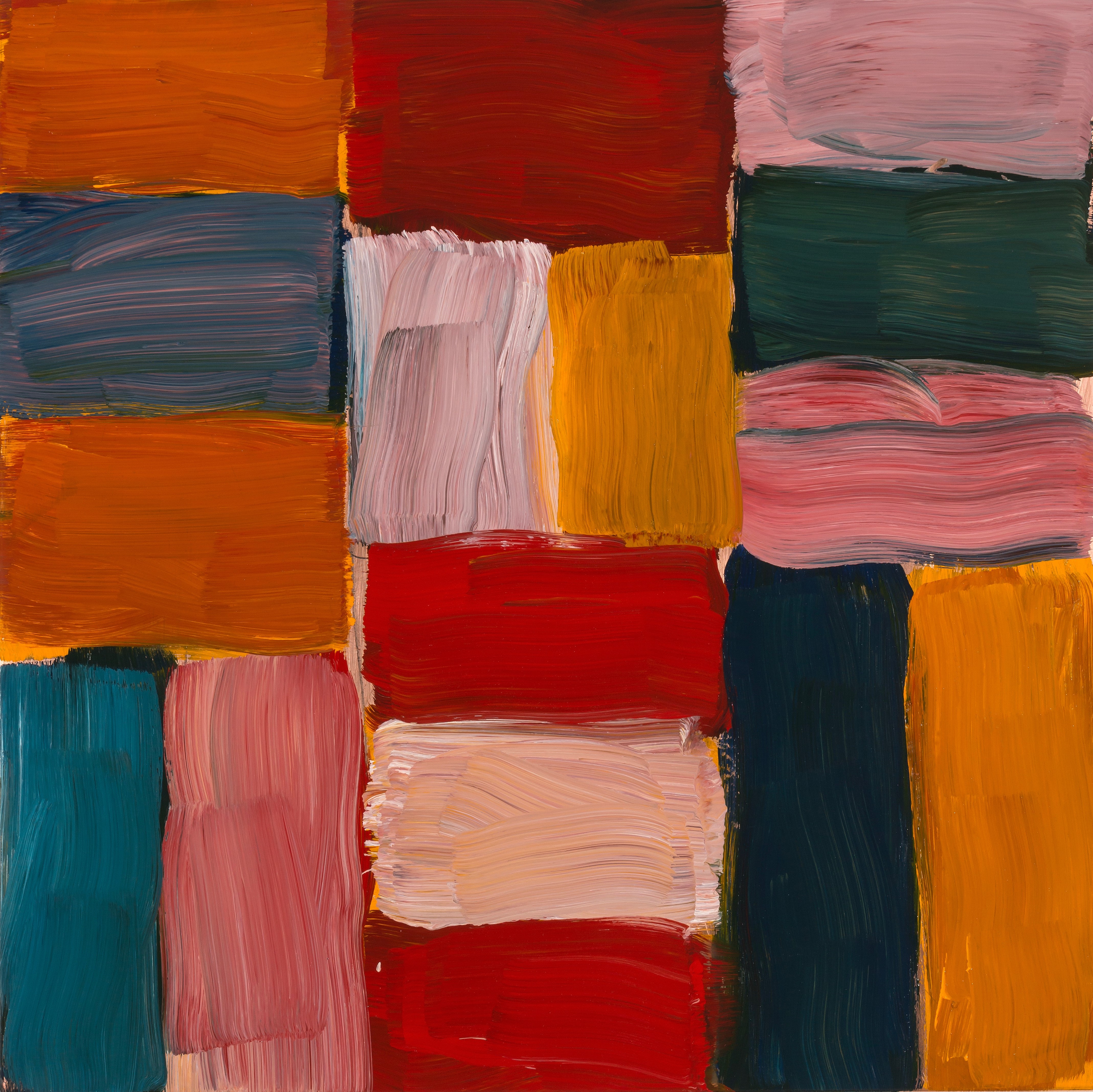
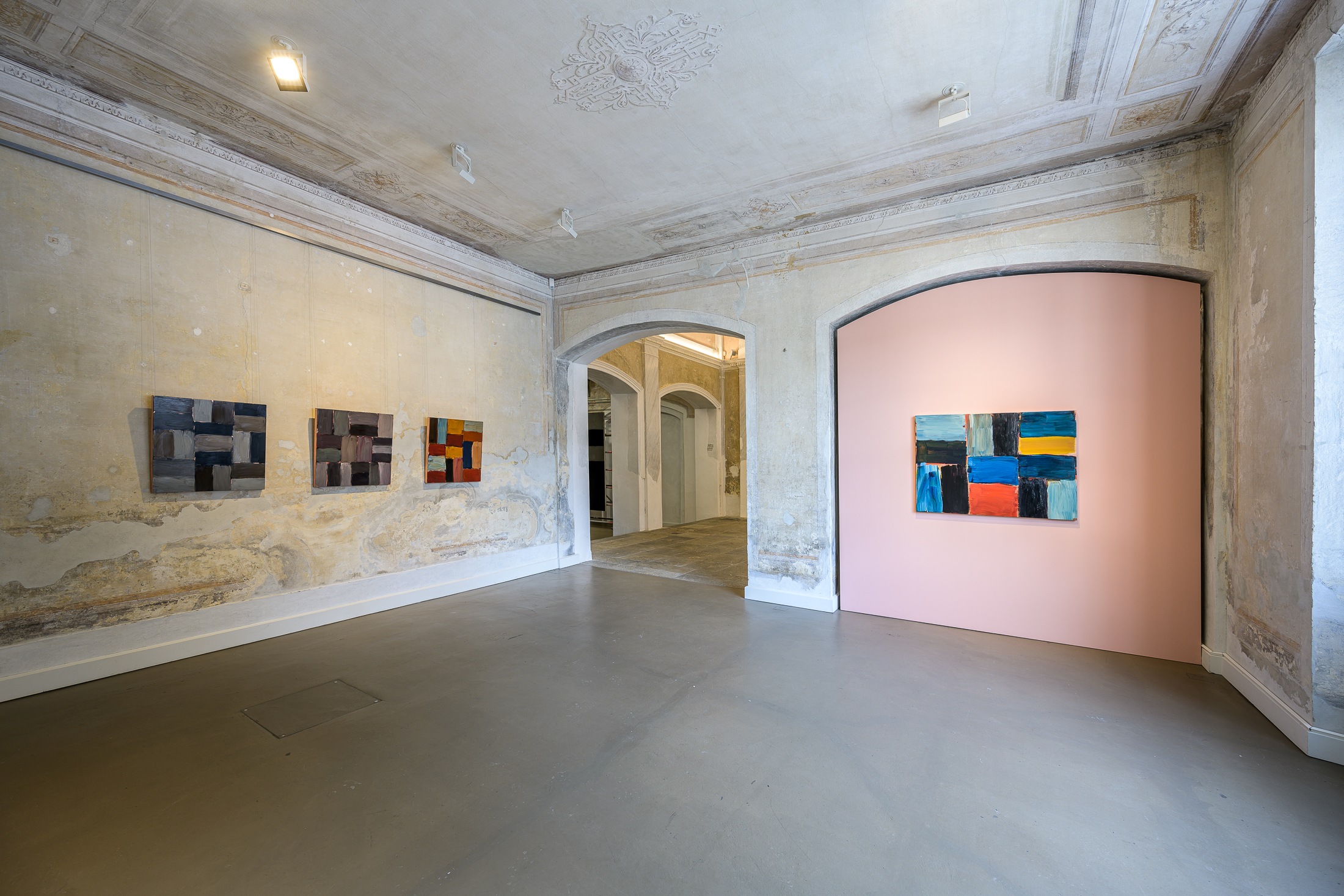
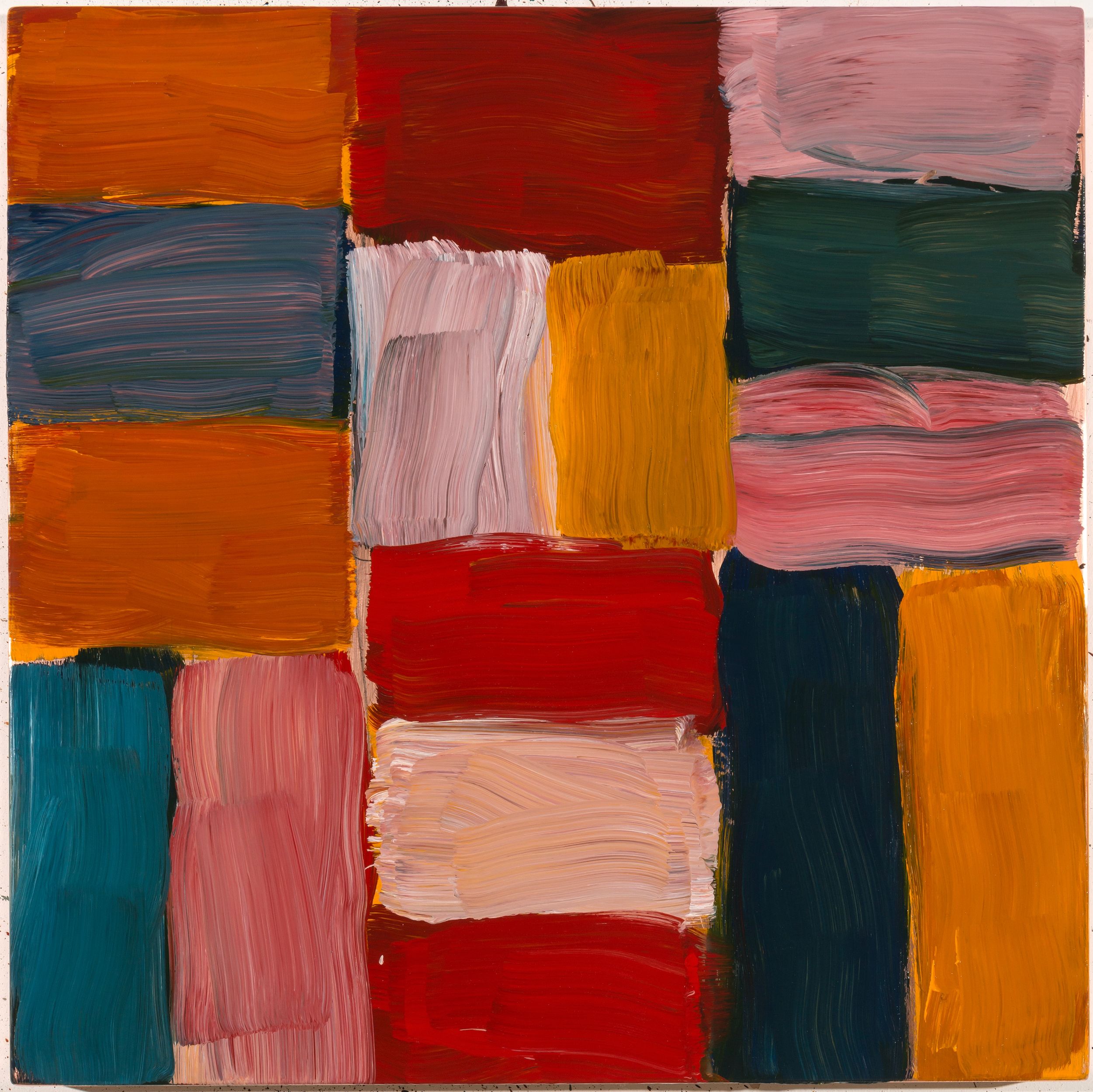
Scully is best known as a painter of monumental works in oil, although he is also a printmaker, producing woodcuts and etchings. He abandoned figurative work in the mid-1960s and has since established a reputation as an abstract painter. Drawing on the traditions of Abstract Expressionism, he creates strongly articulated pieces: canvases on heavy stretchers, abutting panels and architectural constructions that project themselves into the viewer’s space. Abandoning precise delineation for a looser handling of paint with visible brushstrokes, his use of colour, subtle nuances and stark contrasts testifies to a concern with light and beauty.
He had his first major exhibition at the Rowan Gallery in 1973 and today his work is held in major public collections worldwide, including The Metropolitan Museum of Art, MoMA, Tate Modern, Centre Pompidou, Art Gallery of Ontario, Museo Nacional Centro de Arte Reina Sofia, the Albertina, Guandgong Museum of Art, and many others.