Salvatore Mangione, who later adopted the moniker Salvo, was born in Leonforte in Sicily in 1947 and became a prominent figure in Italian conceptual art and painting. In 1968 he relocated to Turin, where he became associated with the dynamic group of artists founding the radical Arte Povera movement. He shared a studio with Alighiero Boetti, and produced distinctive series of conceptual works, creating compelling photographic self-portraits in the guise of different historical and professional personages, including in newspaper photographs of Cuban revolutionaries and Nazi troops. He also made text-based pieces with lettering incised or inscribed on marble panels, or formed from neon lights, notably writing his own name in neon colours of the Italian flag, in the work Tricolore (1971).
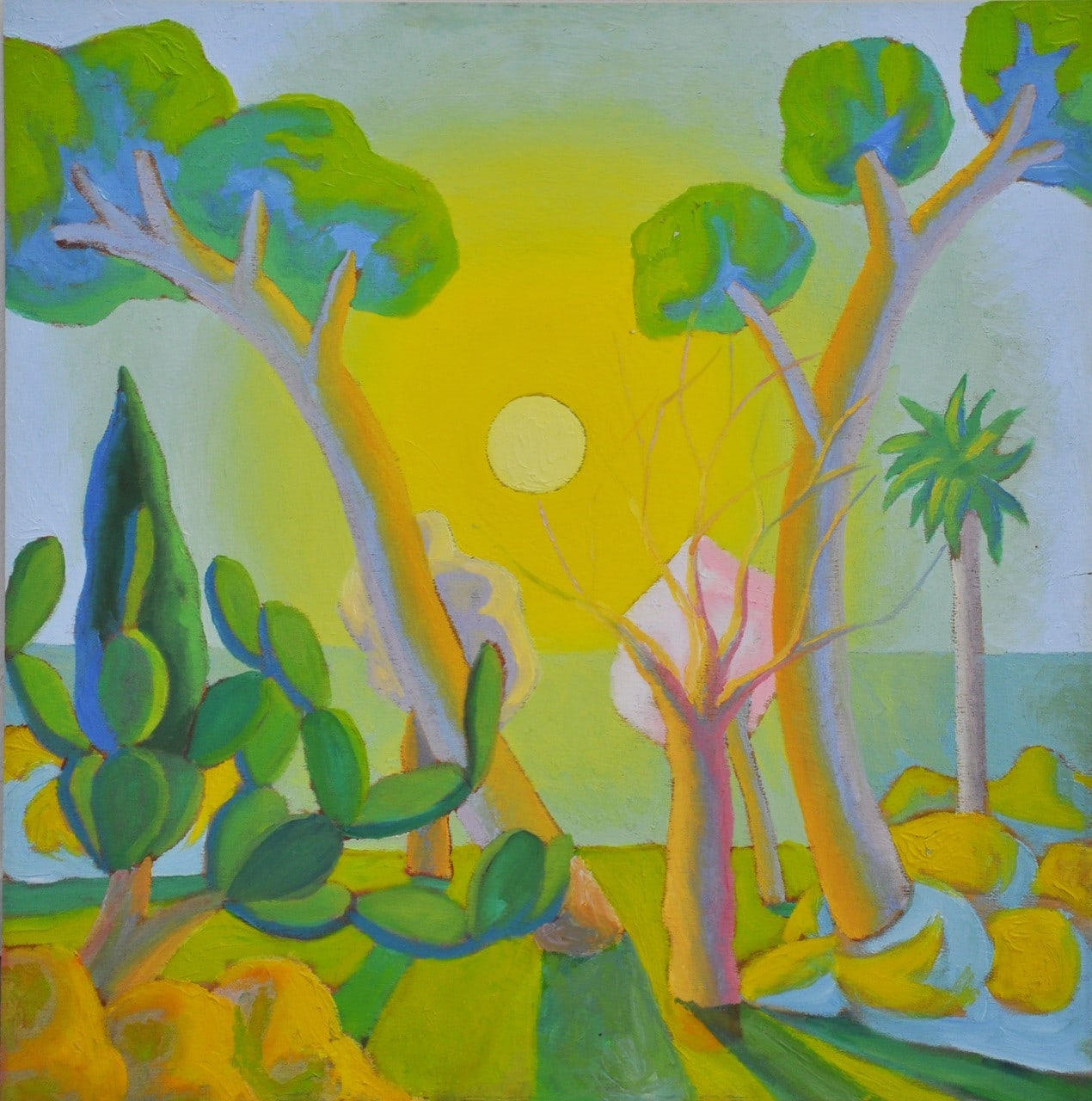
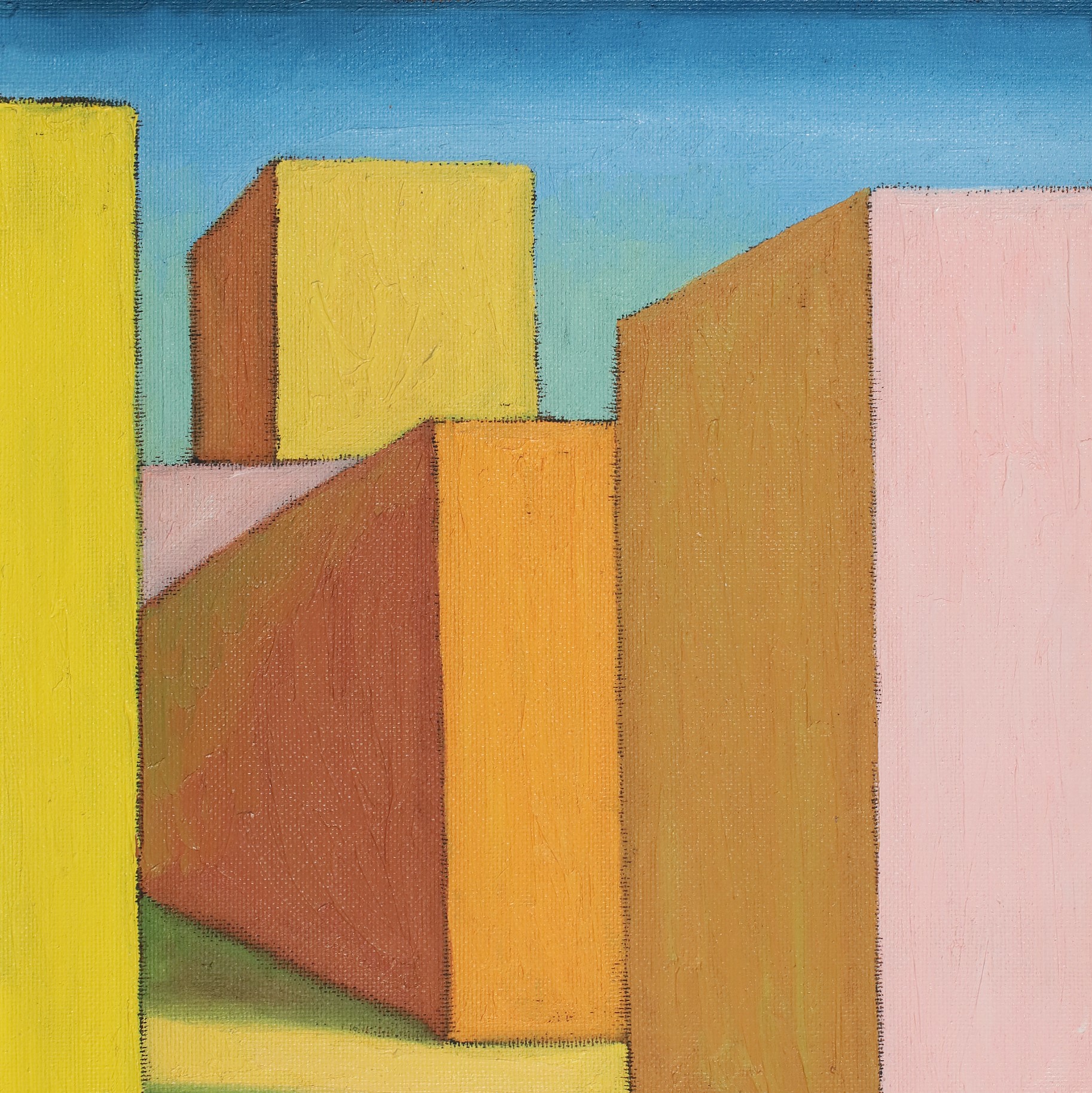
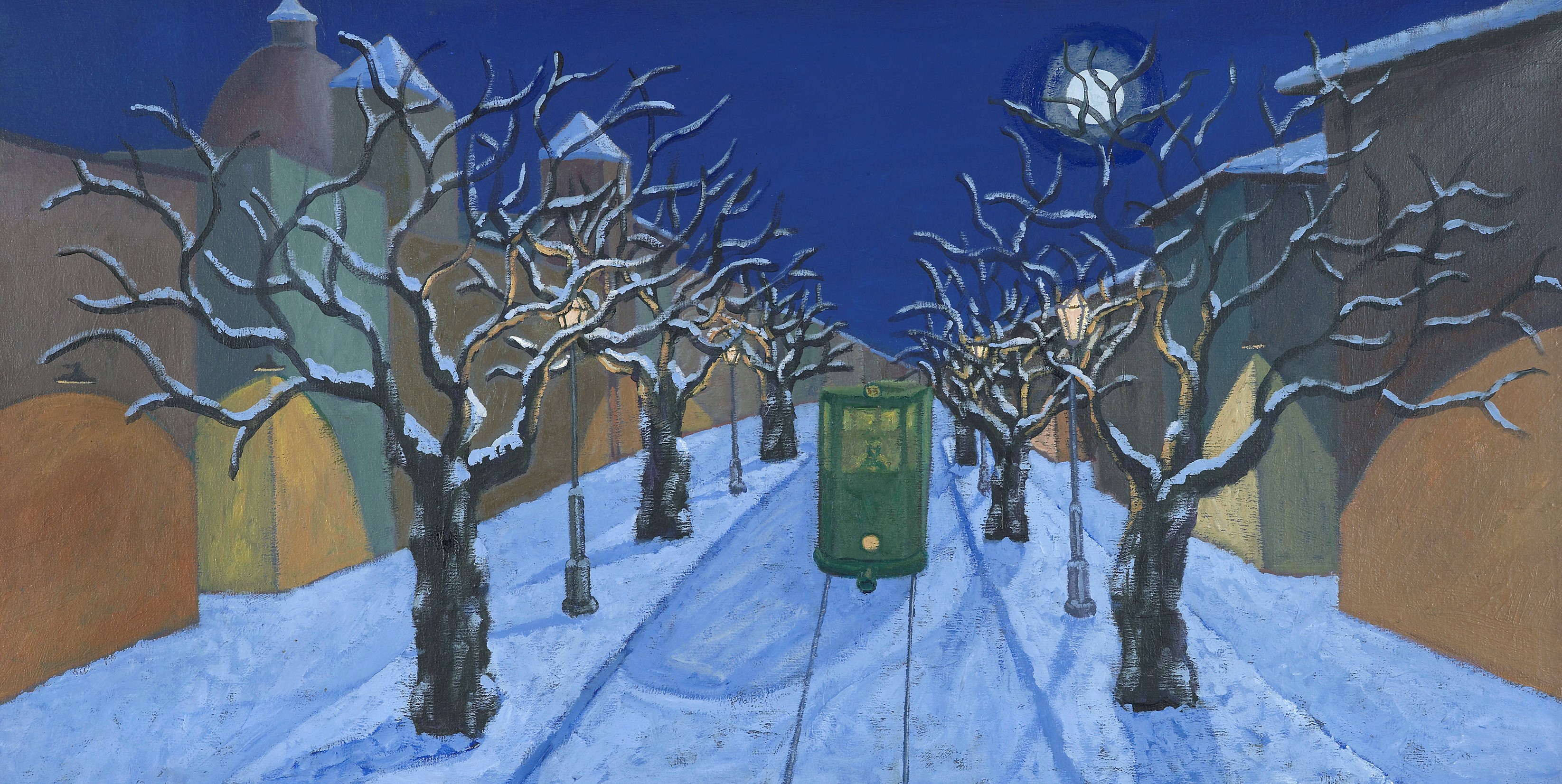
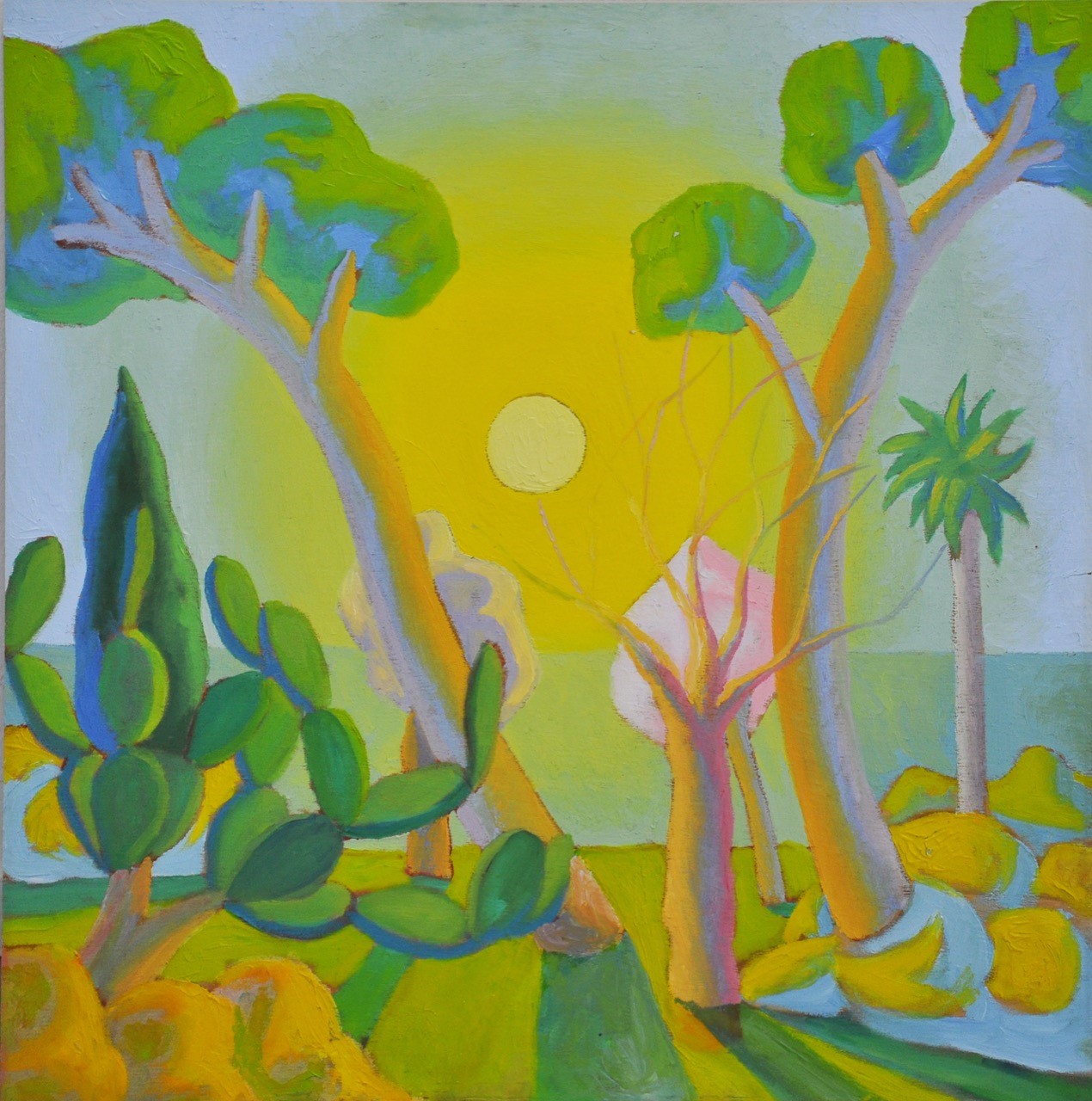
Following this intense period of experimentation in a variety of media, around 1973 the artist turned decisively to painting. Rejecting the aesthetic of monochromatic abstraction favoured by Italian painters of his day, Salvo instead set out to rehabilitate figurative painting a decade ahead of its international resurgence. In his early paintings, Salvo reconceptualised masterpieces by Old Masters, namely Raphael and Vittore Carpaccio. However by the end of the decade he had shifted his incisive gaze to the representation of landscapes and cities, characteristically using unnatural pastel colours, while also drawing on the traditions of memory and myth. In the latter decades of his career, Salvo travelled widely and continued to create landscapes inspired by the landscapes he encountered on his journeys.
A major retrospective of Salvo's work was held at the Galleria d'Arte Moderna e Contemporanea in Turin in 2007. The artist died in 2015.