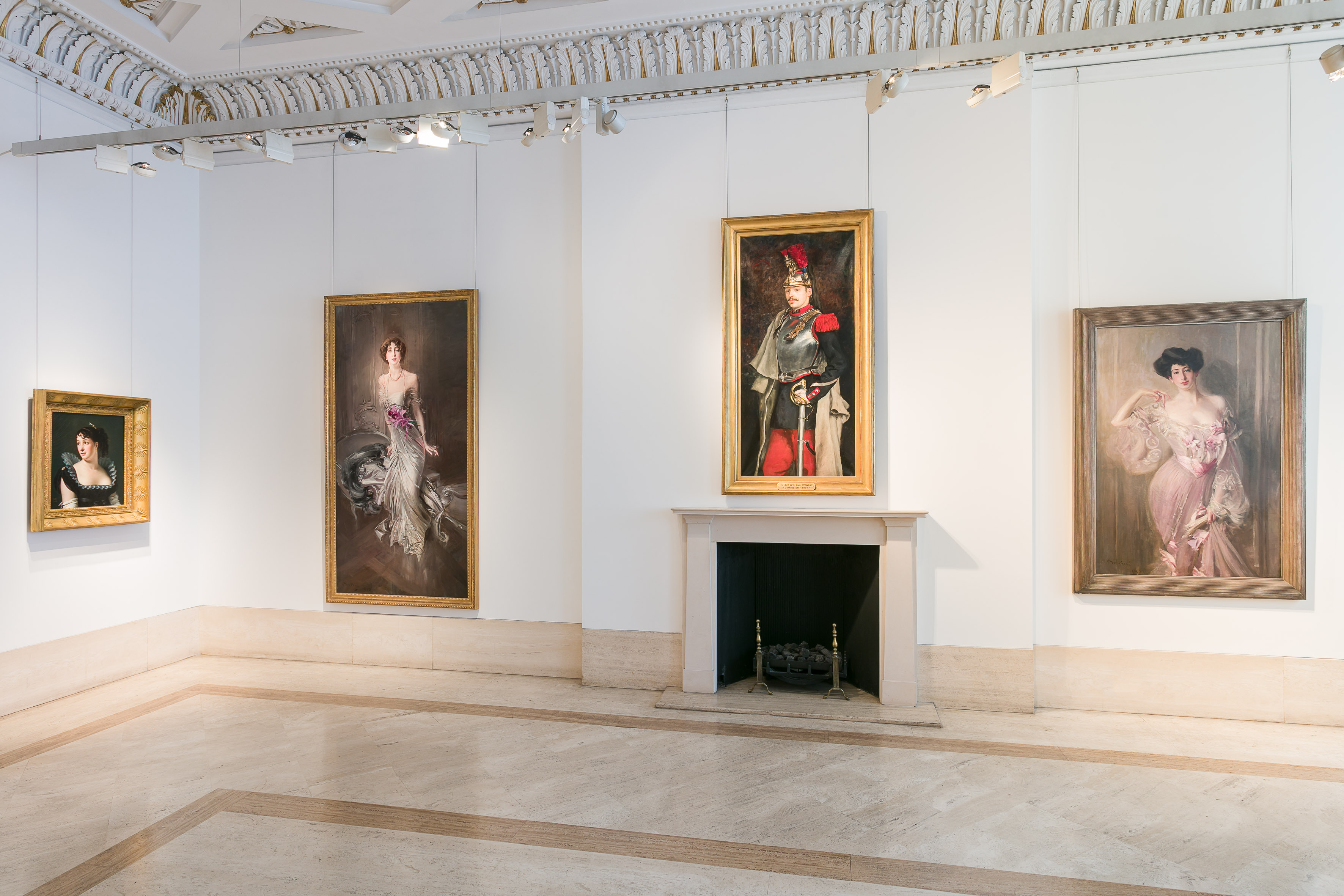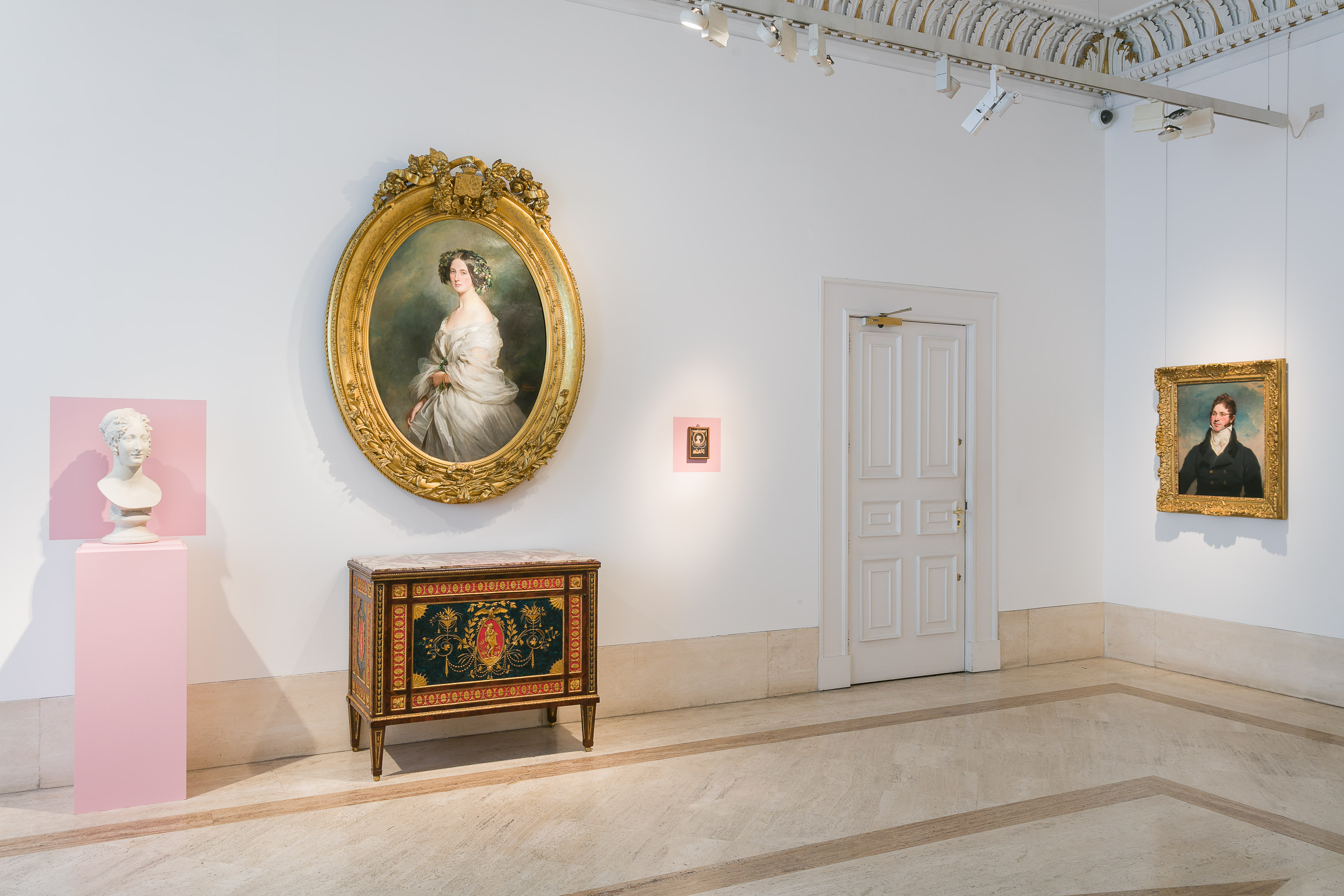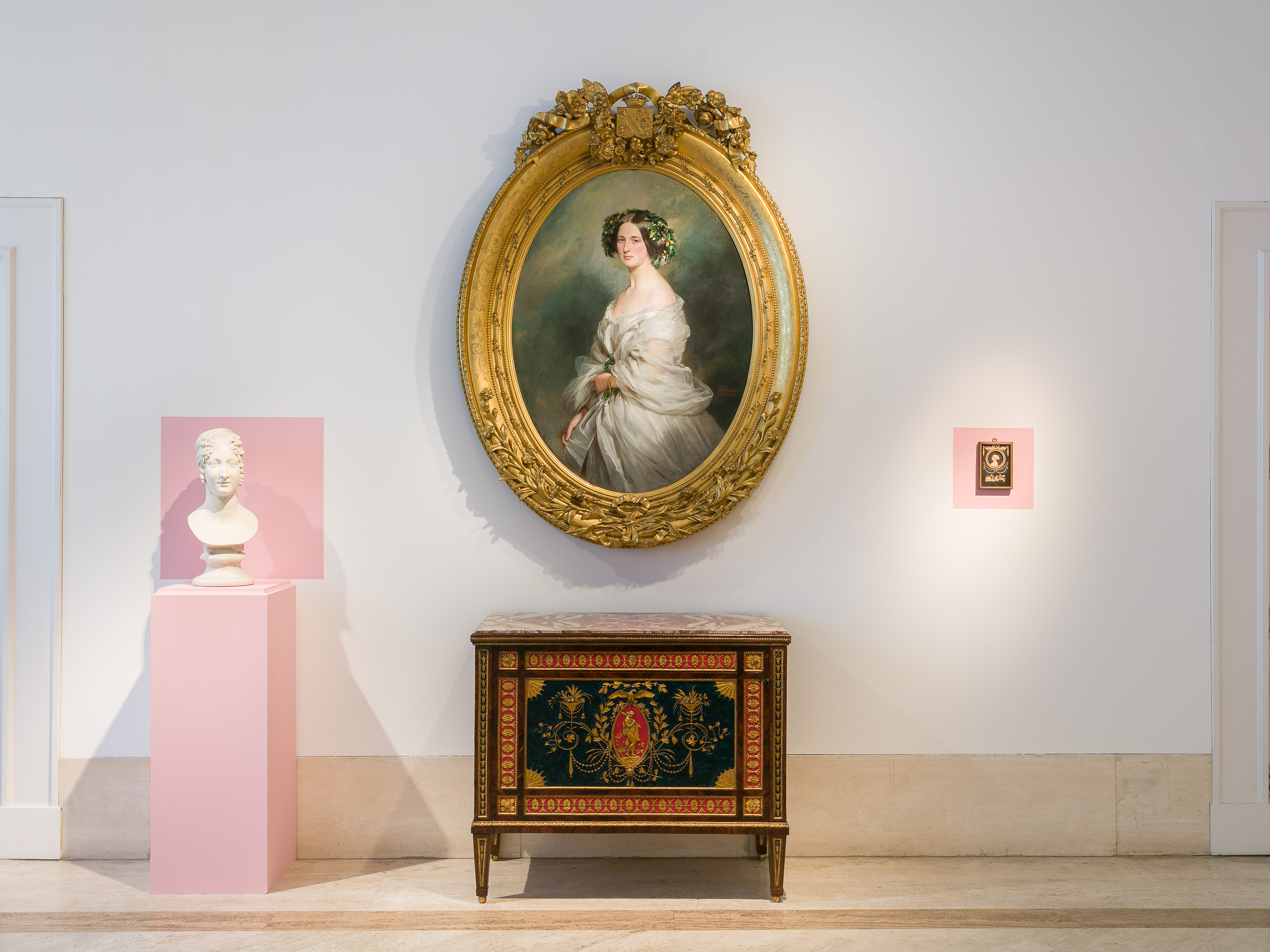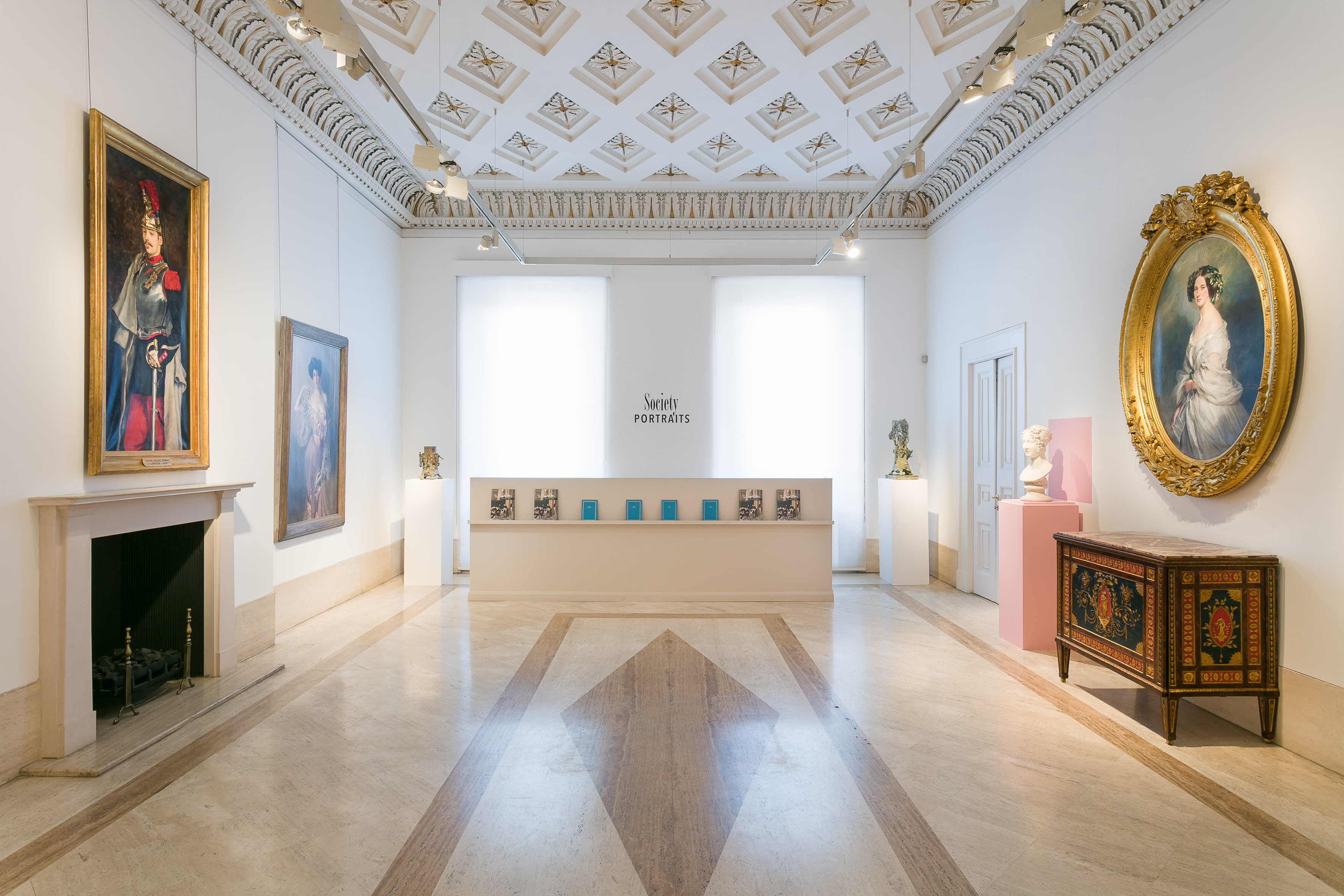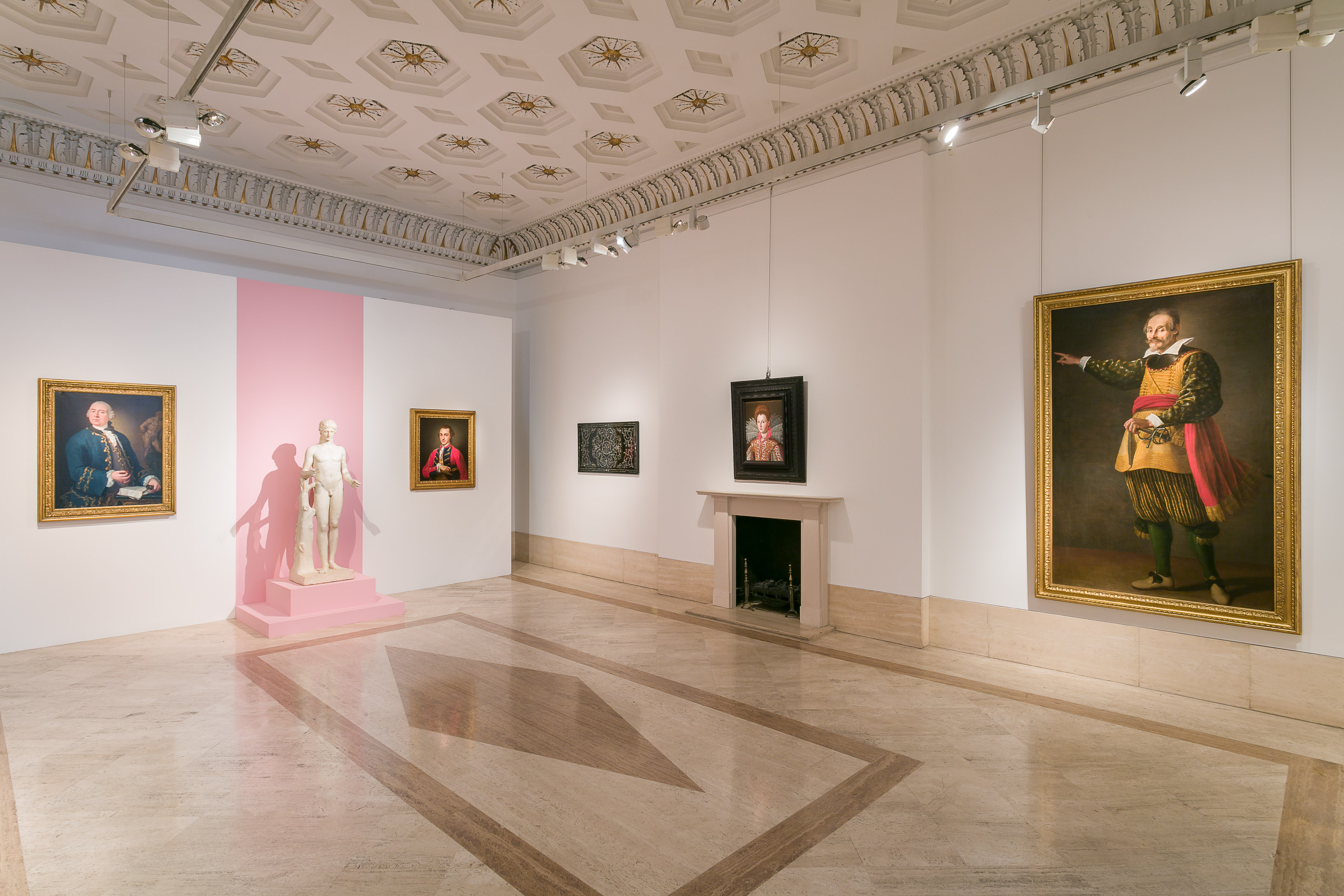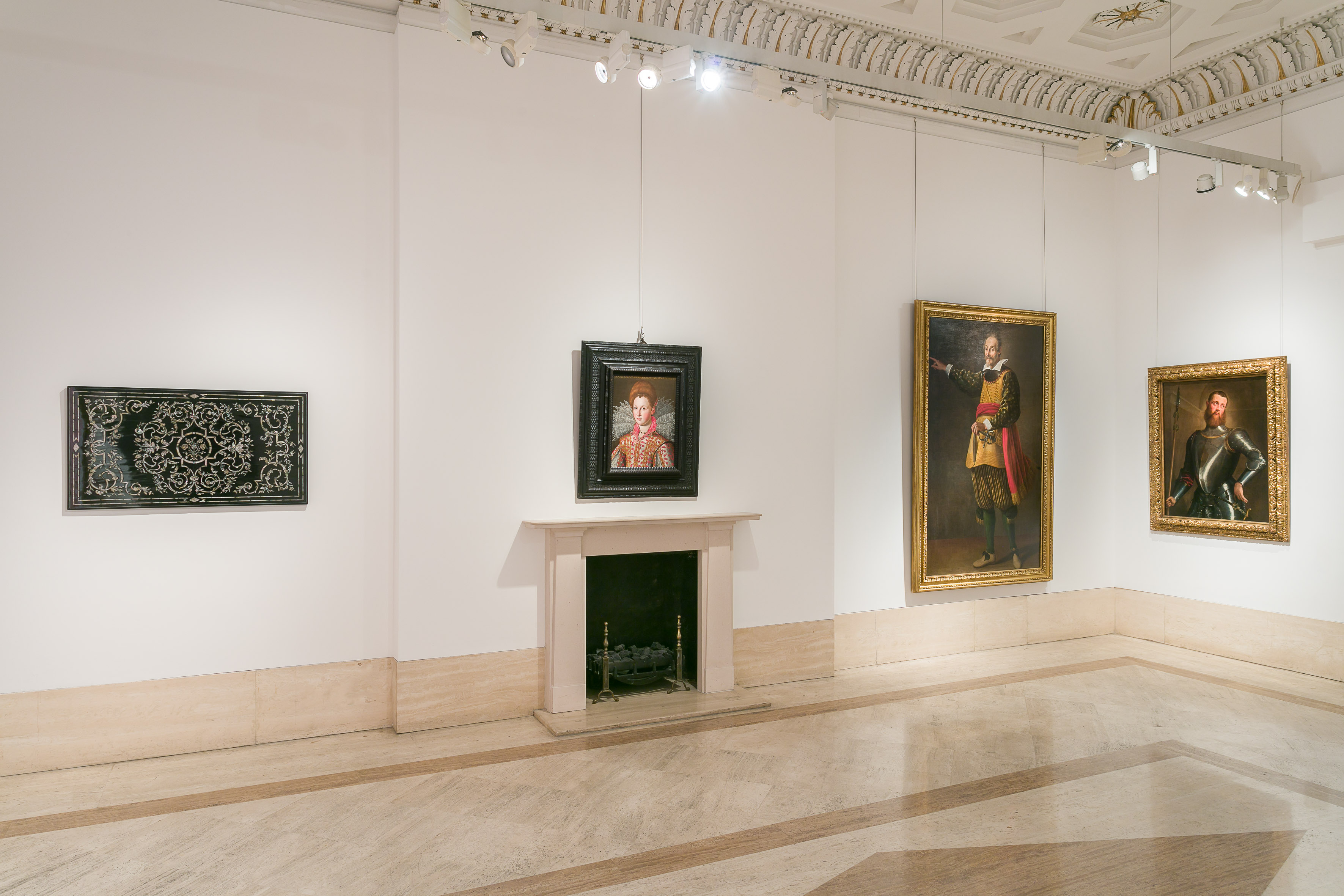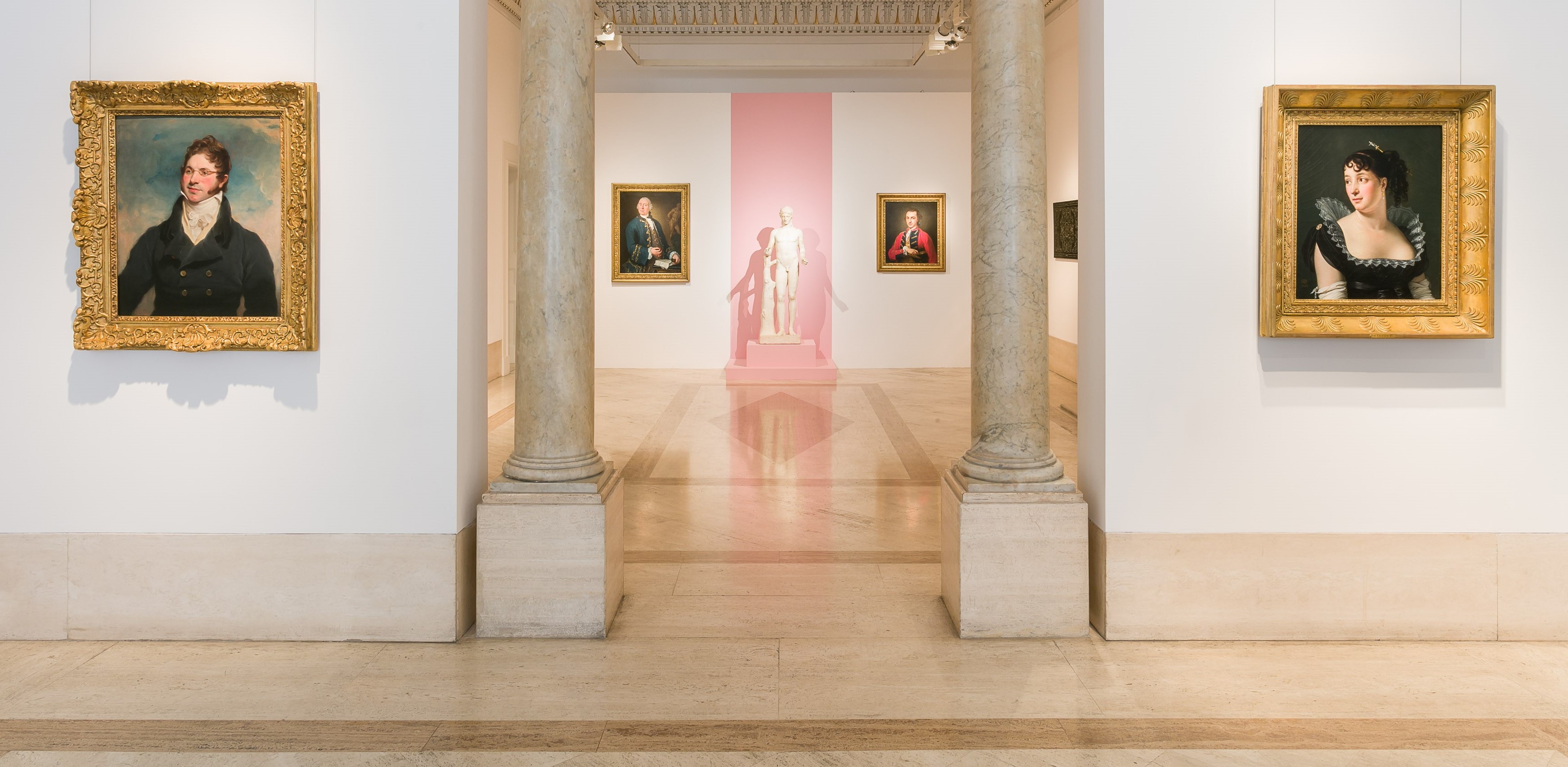
Robilant+Voena of London, Milan and St. Moritz is pleased to announce their next exhibition Society Portrait running in conjunction with London Art Week. Comprised of more than 10 superb examples of Old Master paintings this exhibition brings together portraits of aristocrats and society personalities from Italy, France and Spain from 16th to 20th century.
Throughout the history of art, portrait paintings primarily memorialise and celebrate the beautiful, rich and powerful; with the full-length format mostly reserved for monarchs and aristocrats. Clad in armours, sitters boast their physical and military might; in magnificent garments and jewels, they flaunt their riches and compete against their peers to be the tastemakers of their time.
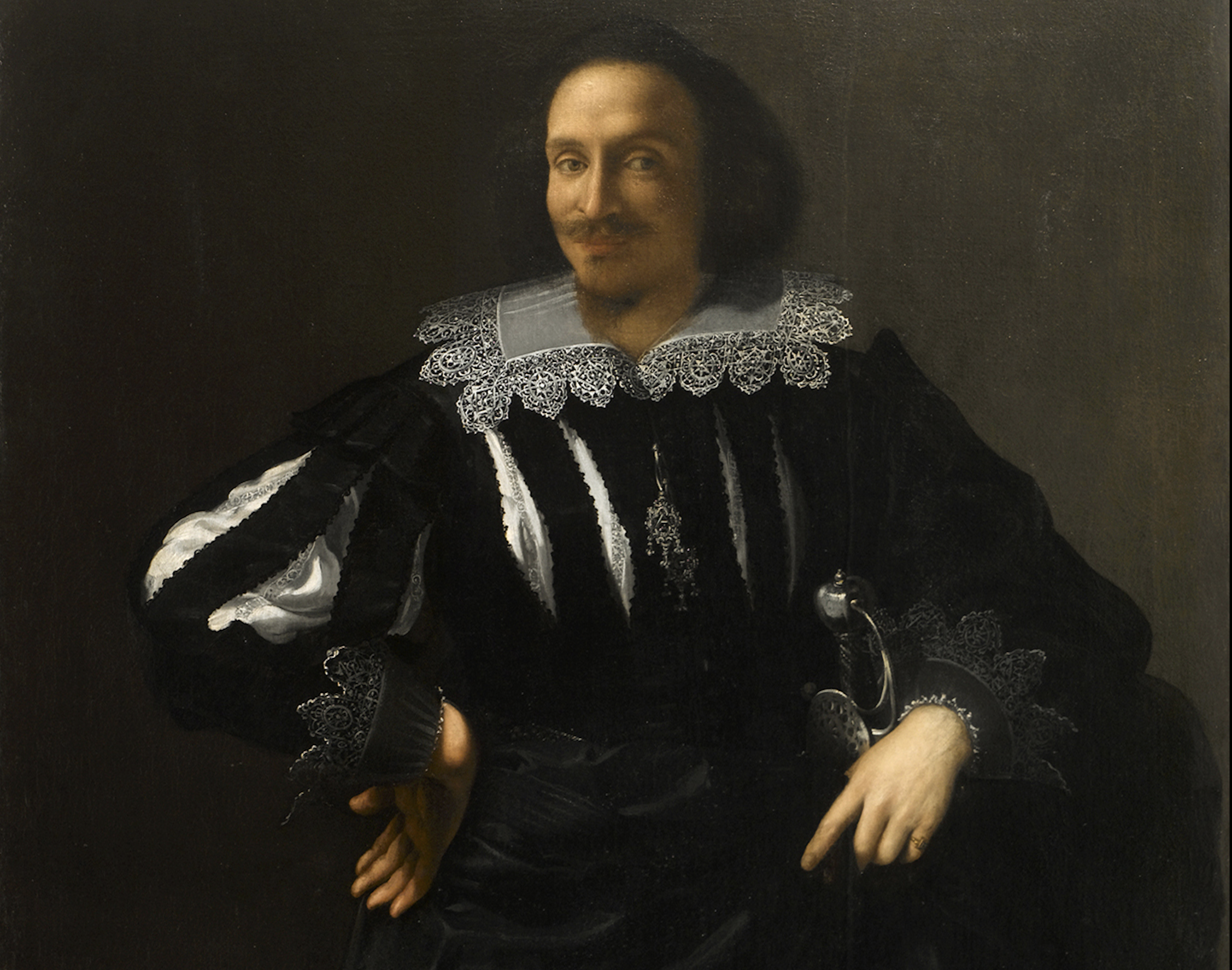
The highlights of this exhibition are three full-length portraits by Artemisia Gentileschi, Valore Casini and Giovanni Boldini. Gentileschi’s subject Antoine De Ville, a descendent from an aristocratic family, was a military engineer in the service of Louis XIII. The lace adorning Antoine De Ville’s collar and cuffs reflected the sartorial trend then, as lace was extraordinarily popular during 1620s, although seldom used for menswear today. Antoine De Ville points down to his manhood, a nuanced gesture that may signify virility and hint at his weakness simultaneously.
The second highlight is Valore Casini’s portrait of the famous 17th century commedia dell’arte actor Francesco Andreini, whose costume is as loud as his posture is theatrical. Although not a member of the aristocracy, the actor was frequently patronized by them, as part of a company Henry IV summoned to Paris to please his bride Queen Marie de’ Medici, and later as director of the performance for Ferdinand de' Medici and Christine of Lorraine’s wedding festivities.
Finally, Boldini’s sitter was the wife of Dr. Eugene Doyen, a celebrated Parisian surgeon. Depicting Madame Doyen’s décolletage, winding, long pearl necklace and spray of purple flowers around her waist in his signature swishing brushstrokes, Boldini not only captured the sensual and opulent outlook of the Belle Epoque style, but also lent a psychological modernity rooted in the concept of the femme fatale.
Behind these masterpieces are portraitists at least as famous as their sitters, enjoying patronage of the high society of their times. Artemisia Gentileschi was one of the most accomplished followers of Caravaggio, receiving commissions from the Medici’s and Charles I. Always inventive with her signature, in Portrait of Antoine De Ville, Gentileschi’s initials A.G. dangle proudly on the radiant silver trinket that falls above the sitter’s heart. Like Gentileschi, Boldini painted premier members of the society such as Lady Holland and the Duchess of Westminster in London. His distinct style of rapid and swishing brushstrokes could be found on many a wall in fashionable residences at the turn of the 19th century, as well as in museums today.
The society scene has no doubt changed from 16th century to the present day, but the appreciation of art and innovation as a driving force building beautiful collections remains the same. The works by revered artists through generations, hung on the walls of townhouses and chateaux, paint the perfect portrait of the society.