Alberto Burri’s innovative use of materials placed him at the forefront of postwar Italian art, anticipating the renowned Arte Povera movement. Burri studied medicine and then worked as an army doctor during World War II. He was taken prisoner by the Americans in Tunisia, and then interned at Camp Howze in Texas. It was there that he first began painting, using discarded burlap as his canvas. Released in 1946, he settled in Rome and commenced his career as an artist.
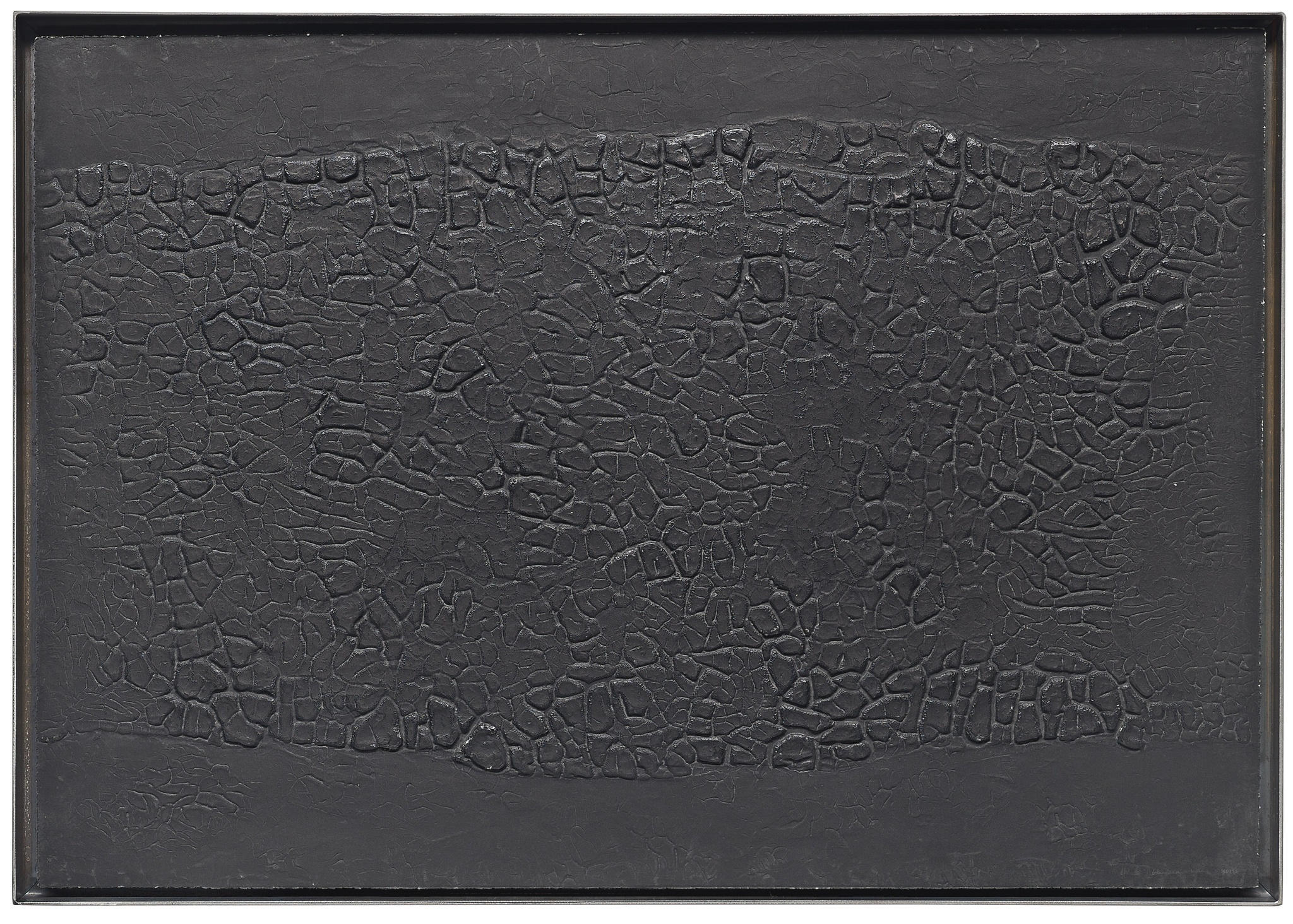
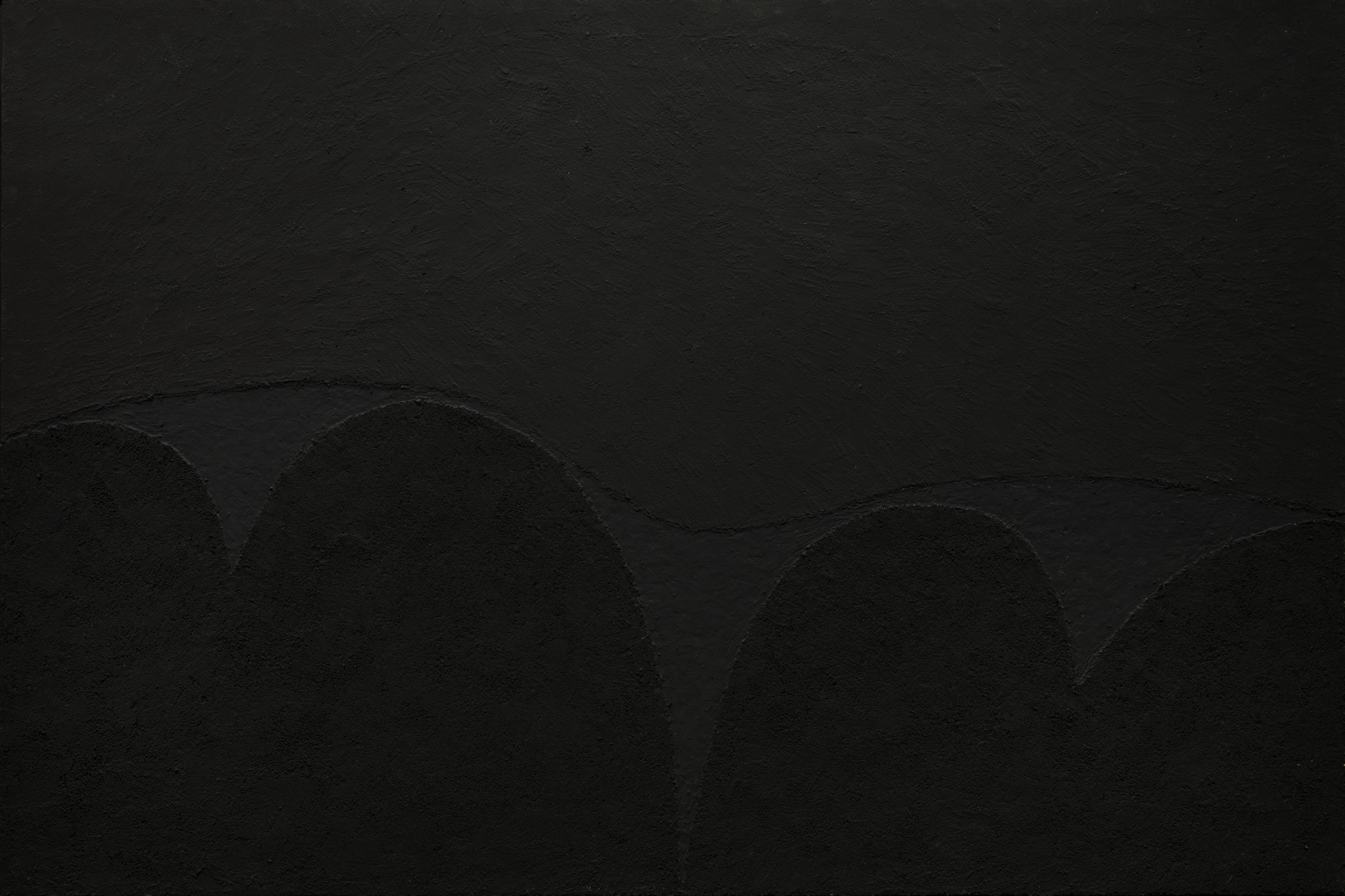
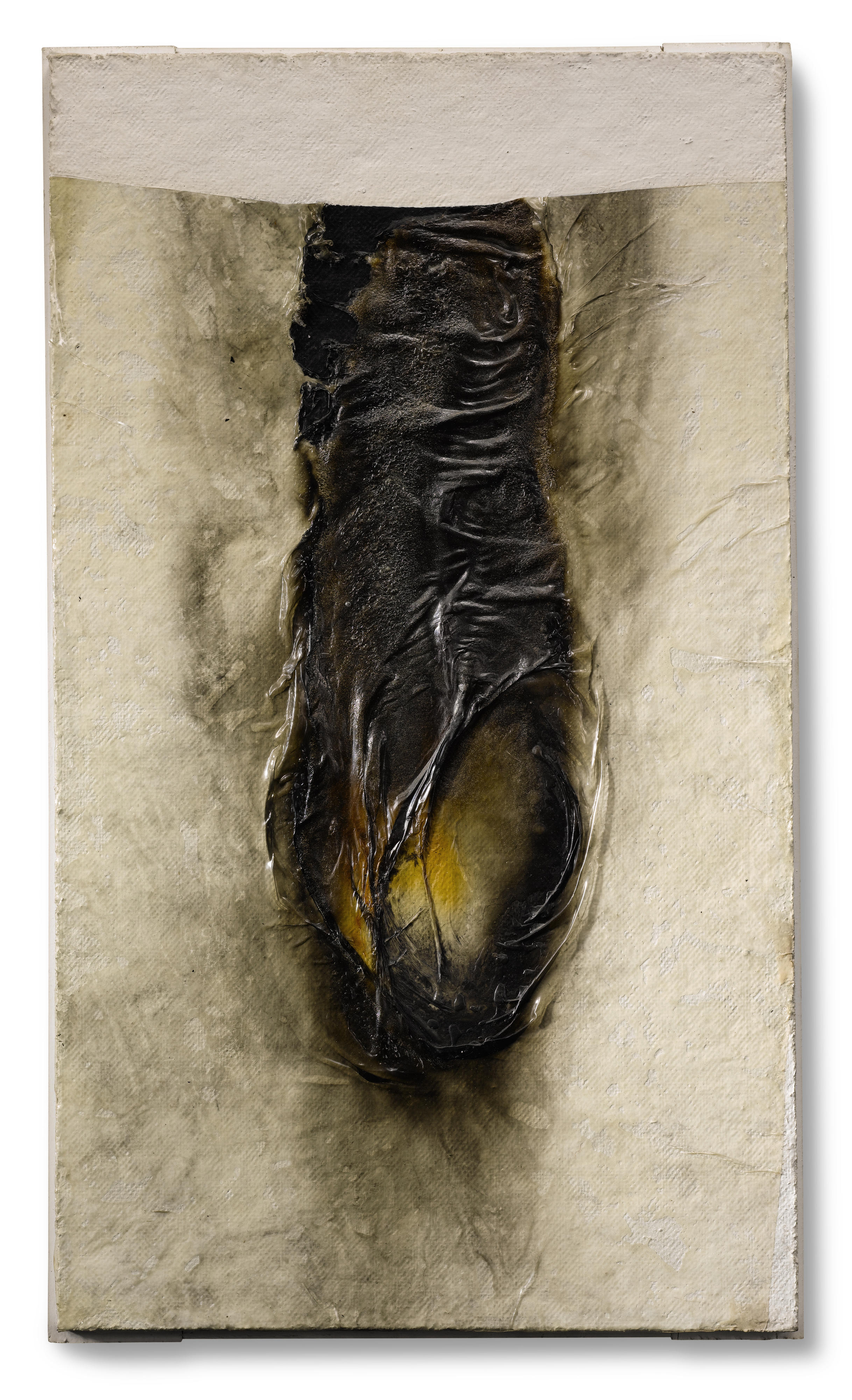
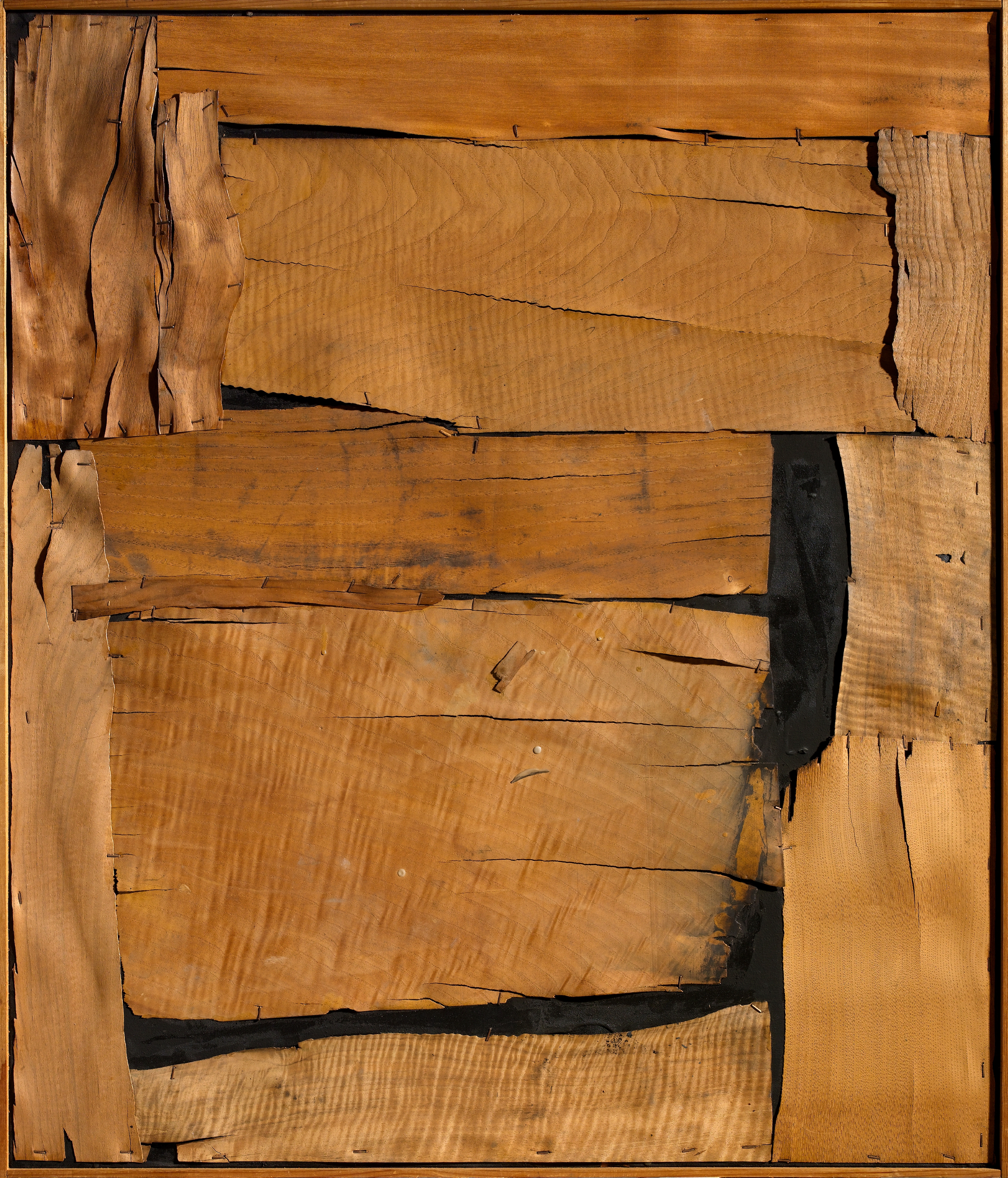
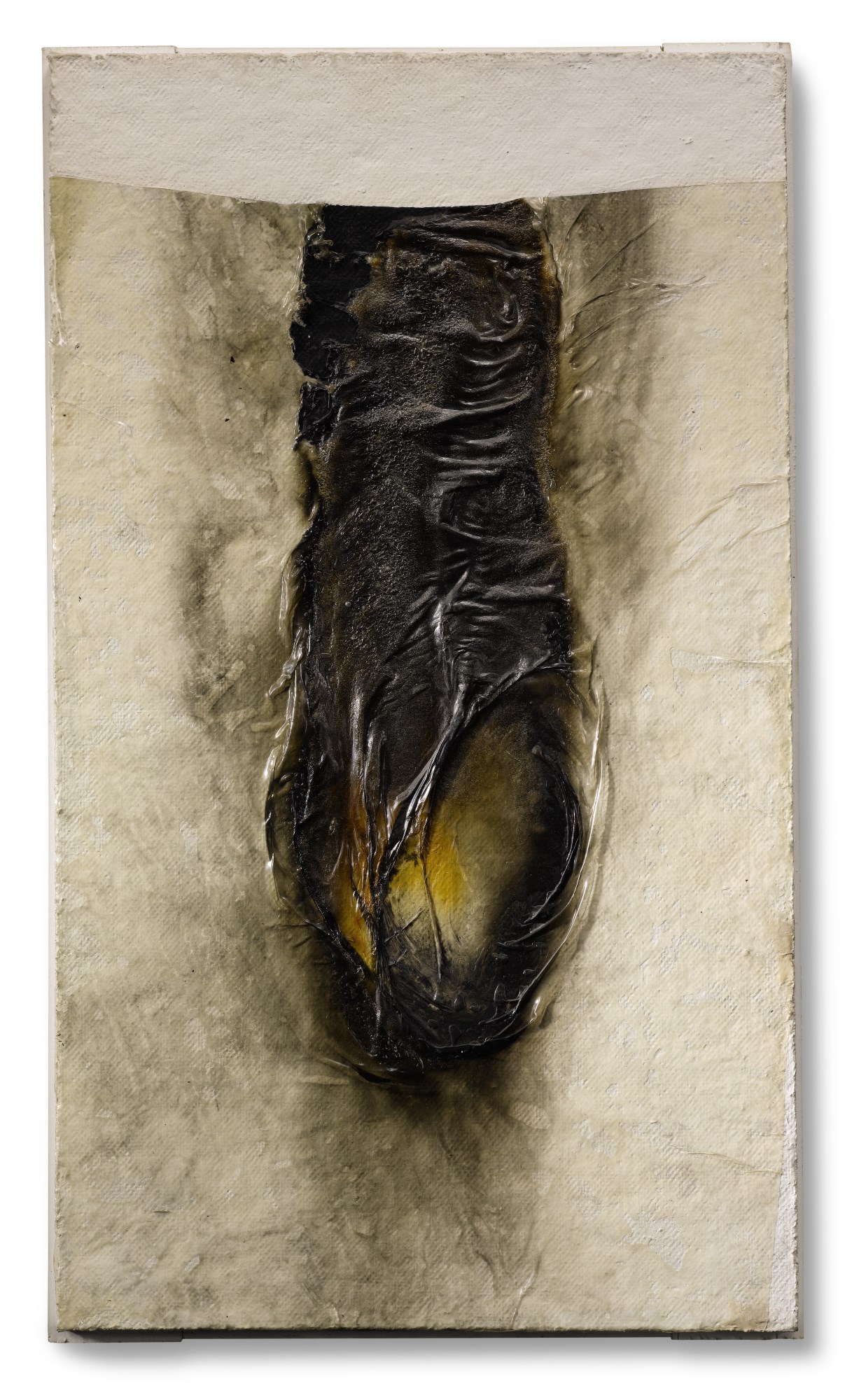
His works were resolute in their abstraction—his practice centred on experimentation with non-traditional materials including wood, tar, plastic, zinc oxide, pumice, PVC adhesives, and fabric, which he ripped, pierced, and burned to achieve dramatic aesthetic effects. Among Burri’s most famous series are his sacchi (sacks), comprising stitched and patched burlap, upon which the artist painted, and his combustioni (combustions), in which he applied fire to mass-produced plastics and rubber newly in wide circulation in the postwar period. Rejecting the traditional practice of painting on canvas, Burri’s works are often read as responses to the wartime devastation of the European continent, and acts of catharsis for the brutality of this period through decisive action.
The Birth Of The New And Unique Often Comes From The Destruction Of The Old