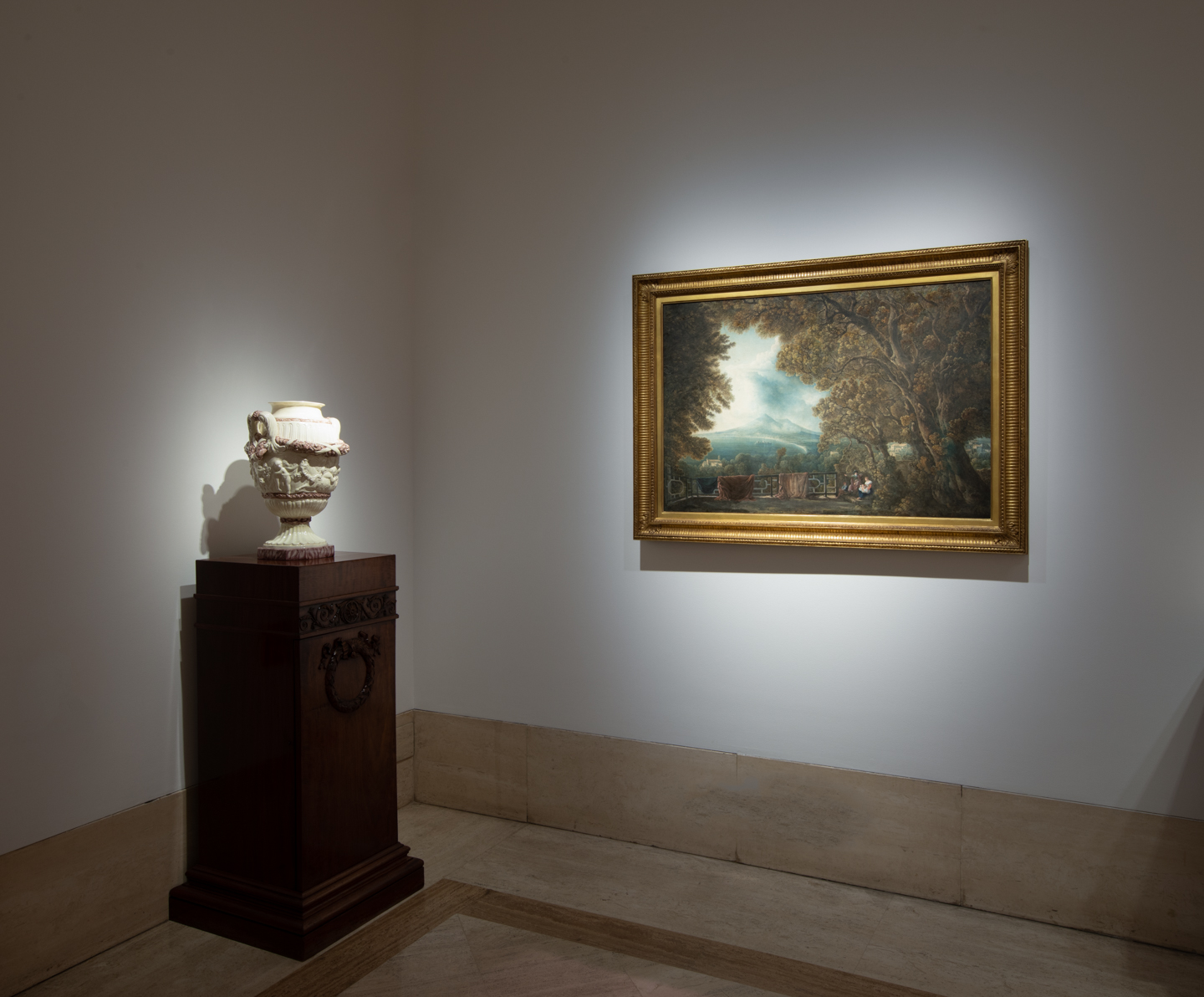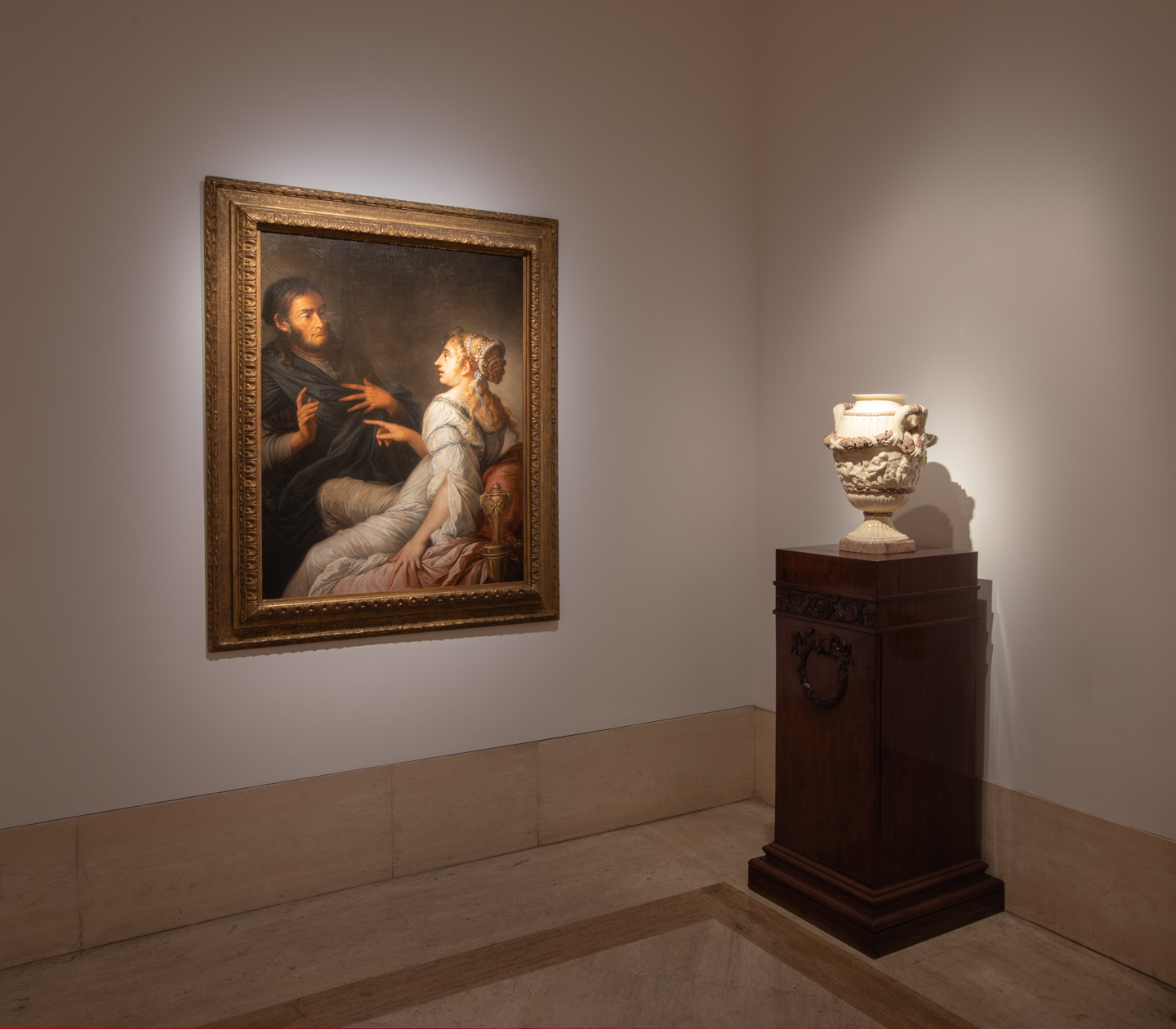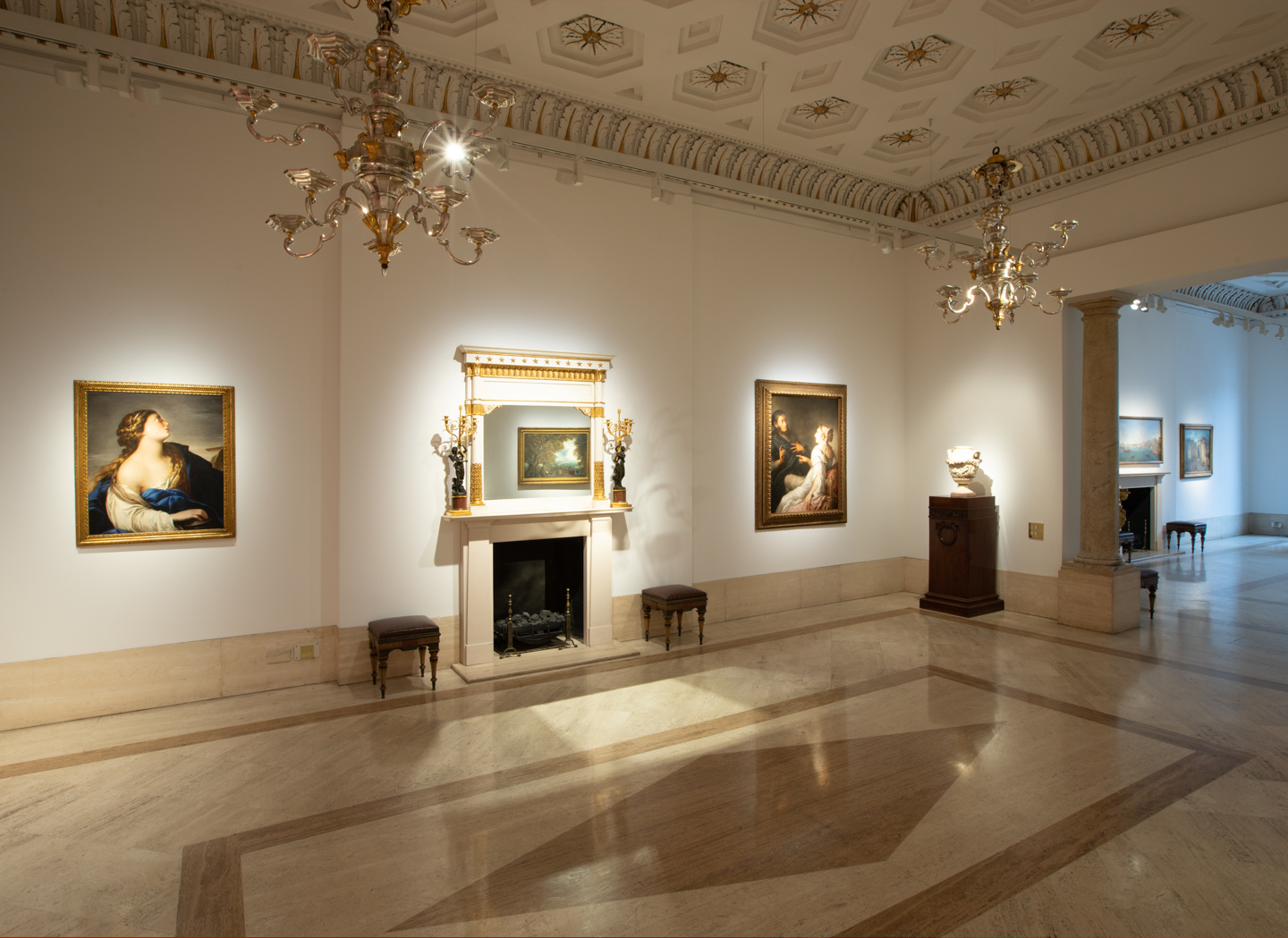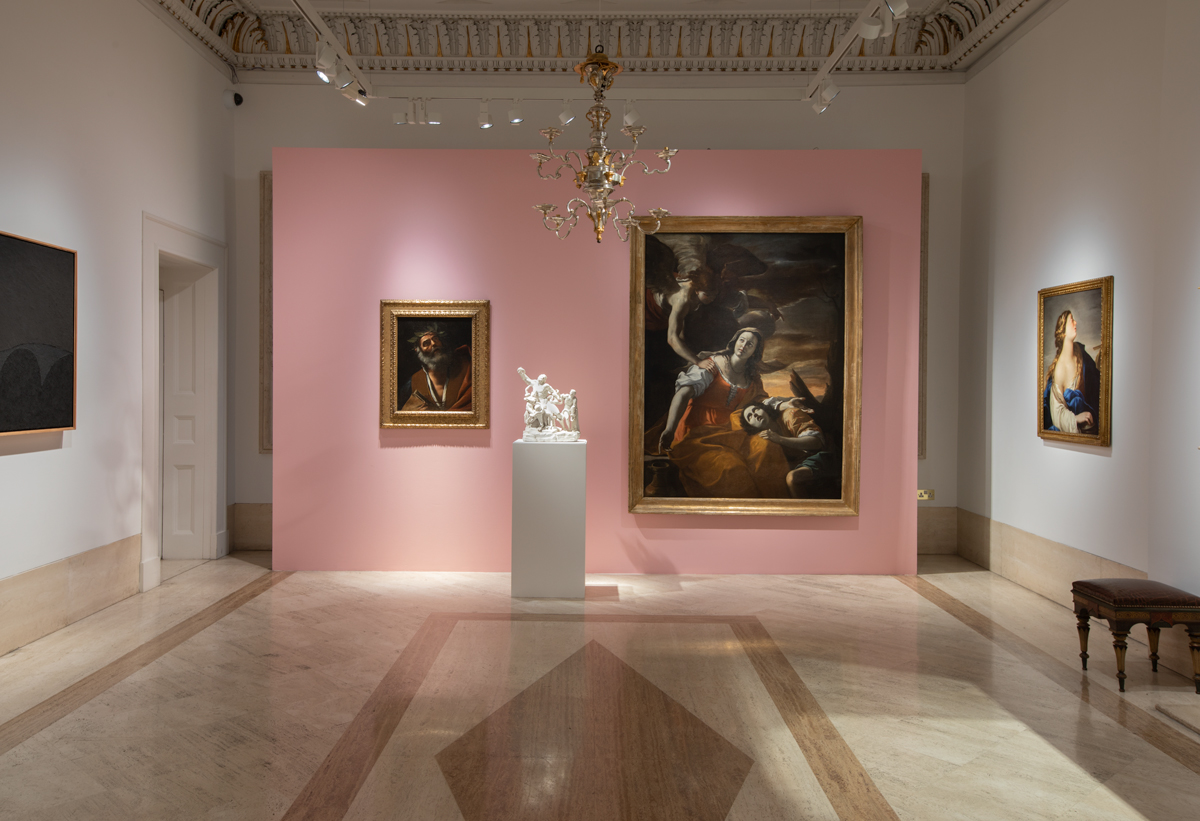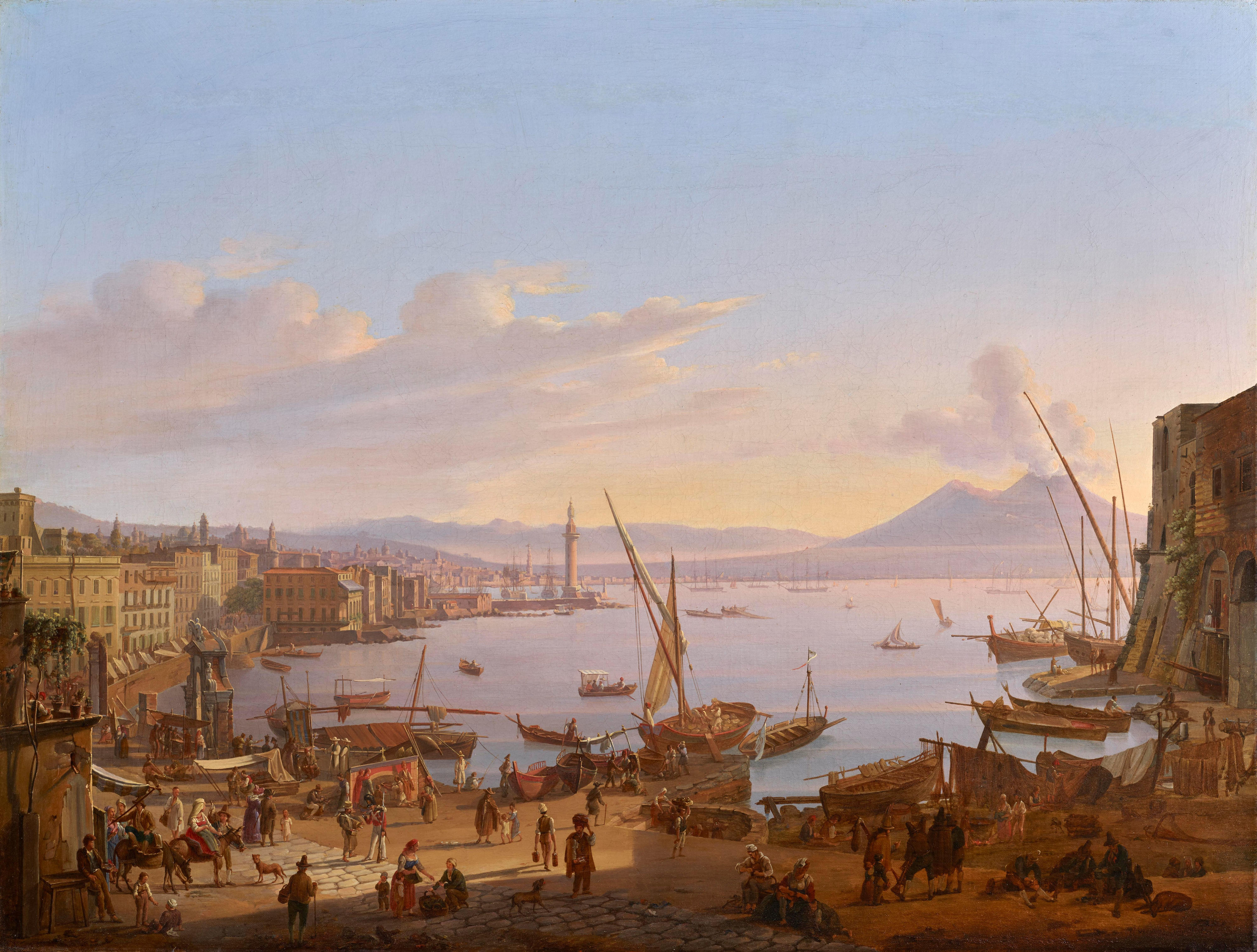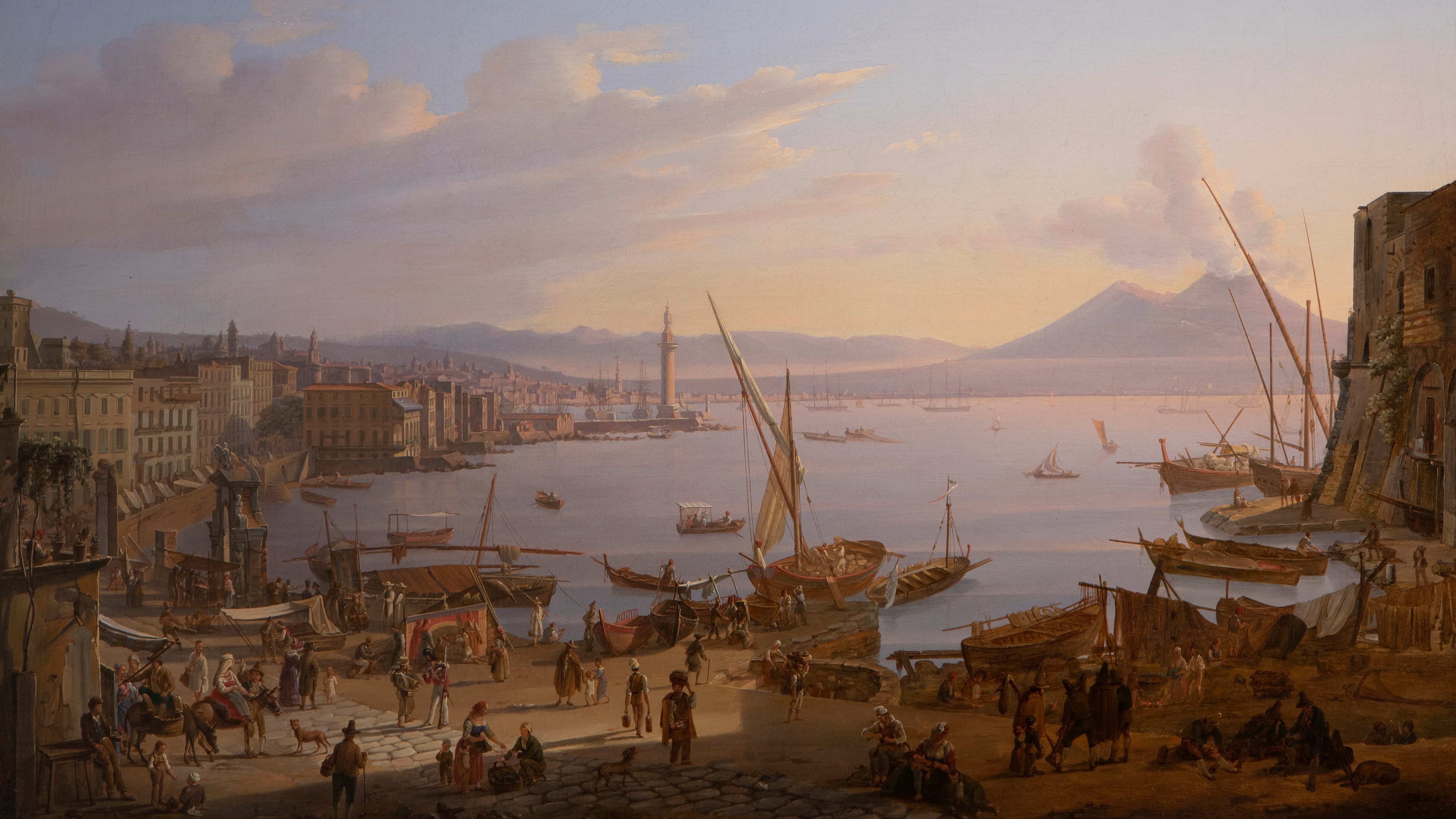
Roiblant + Voena is pleased to announce their next exhibition in London: Kingdom of the Two Sicilies.
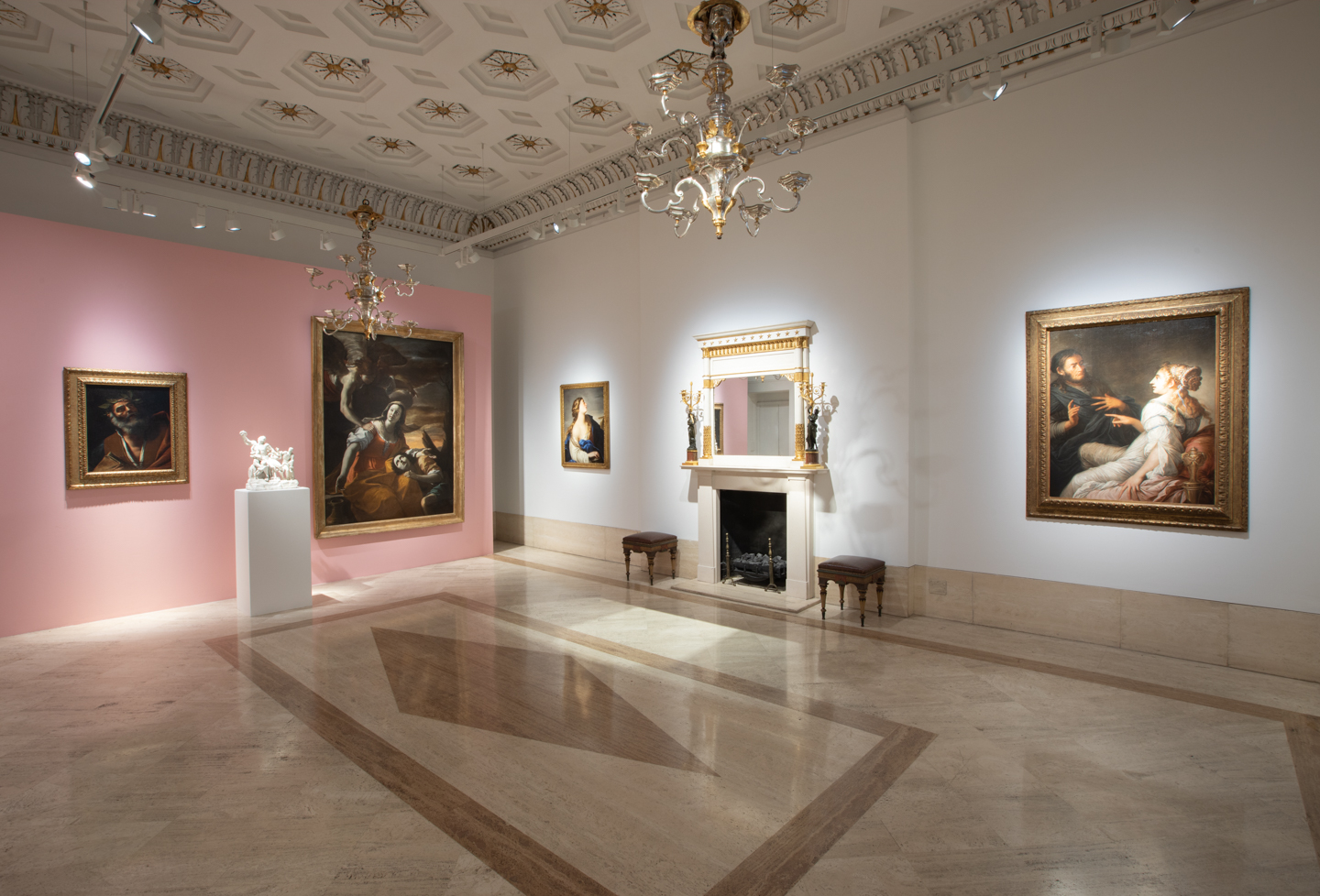
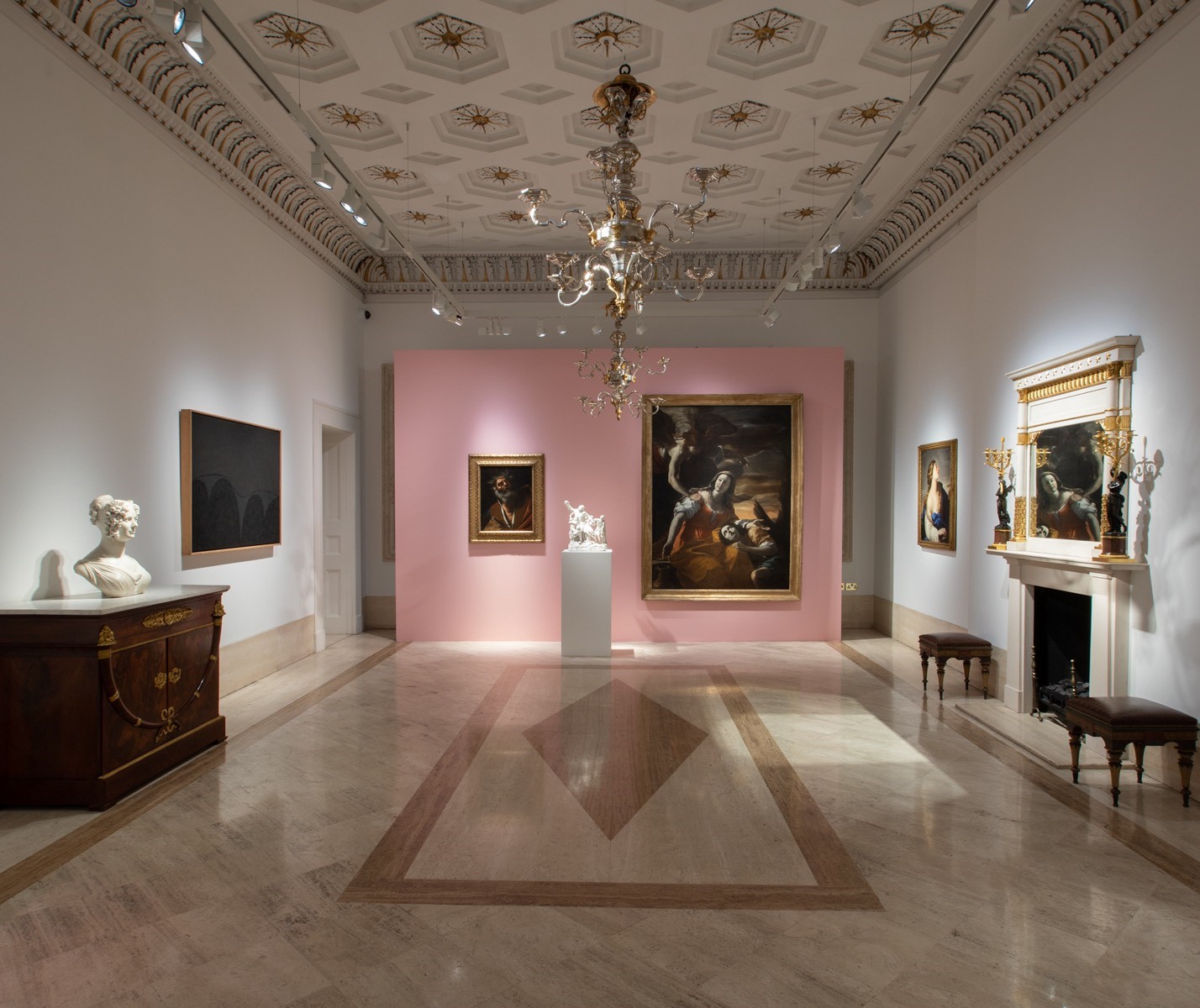
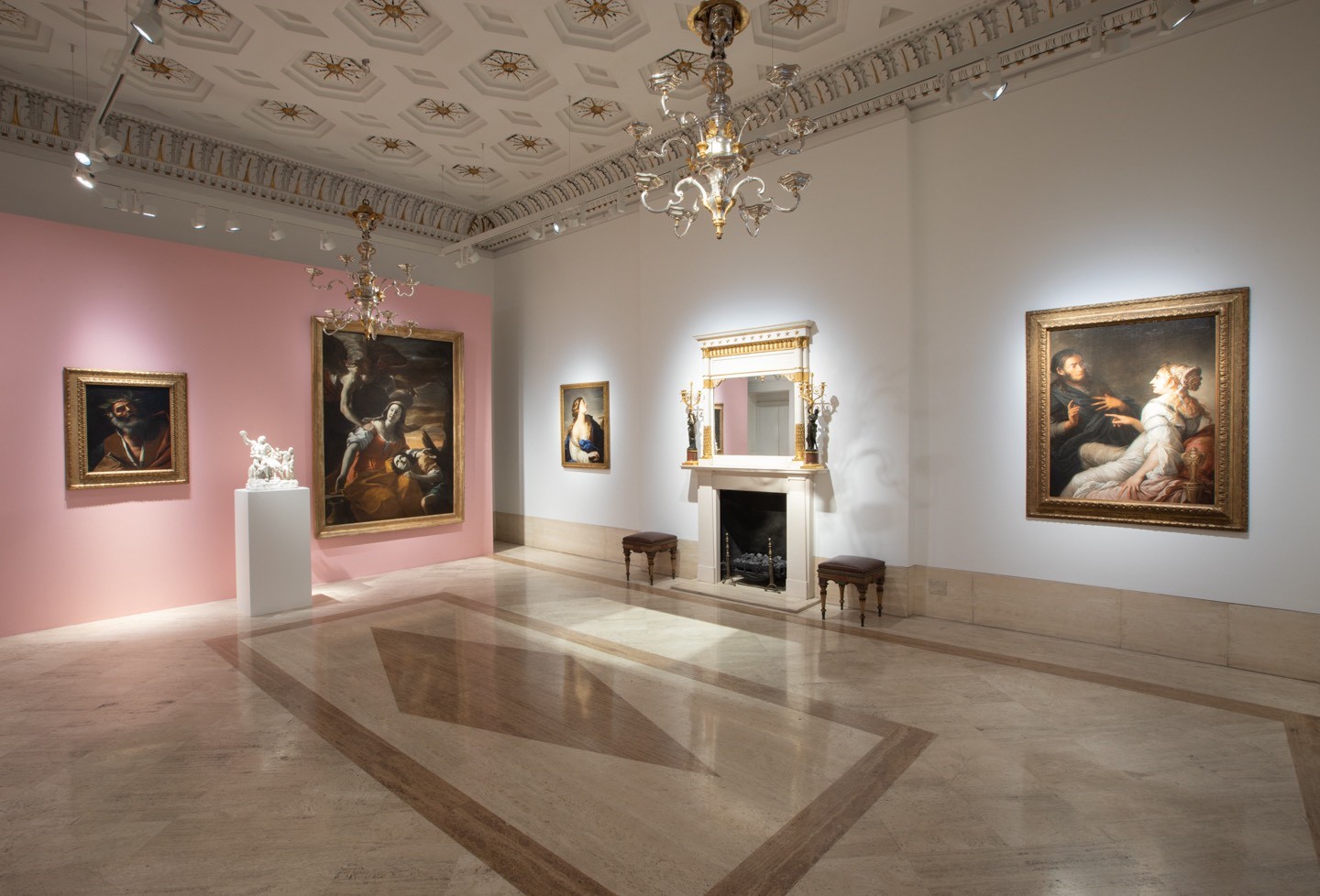
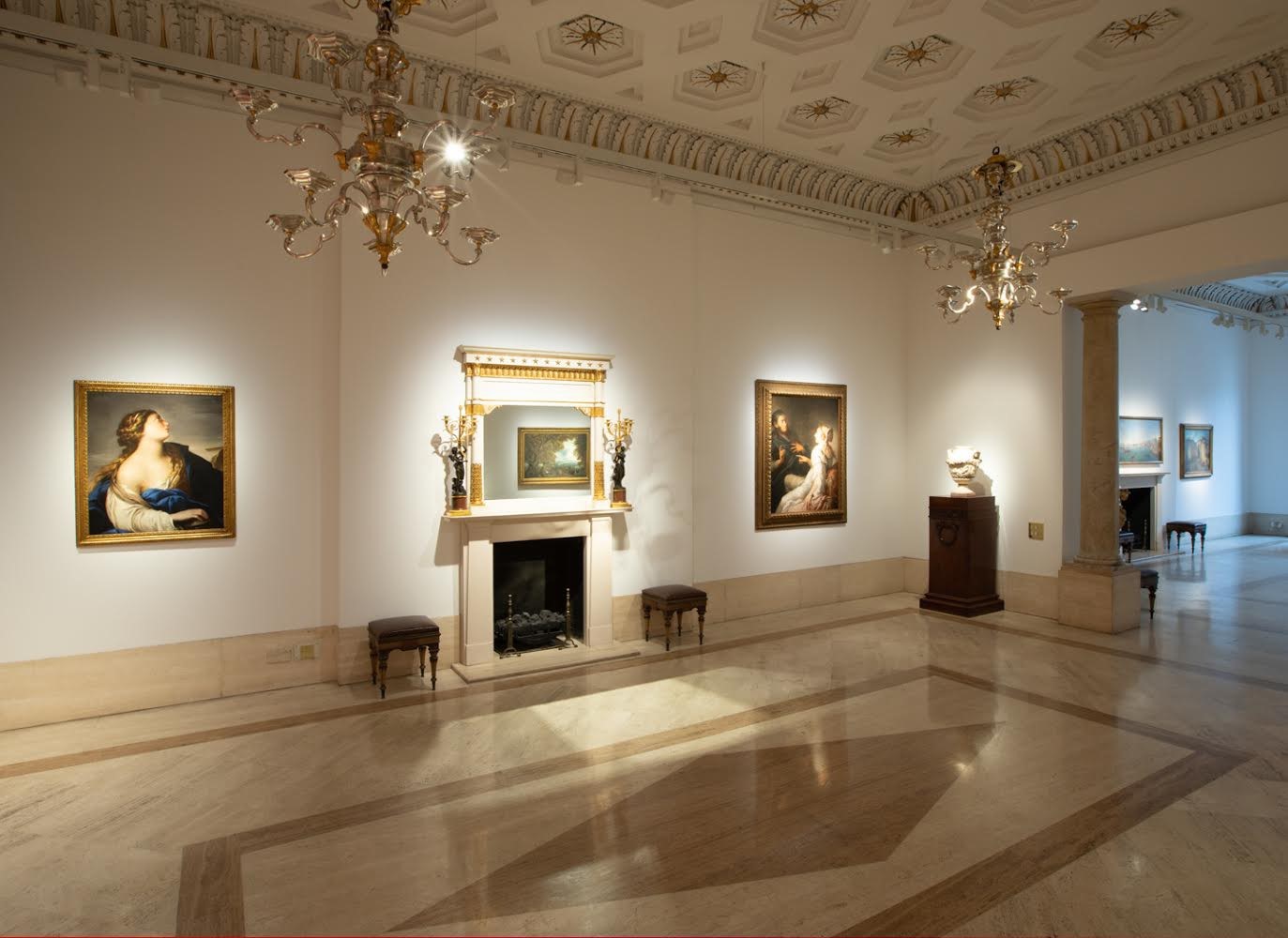
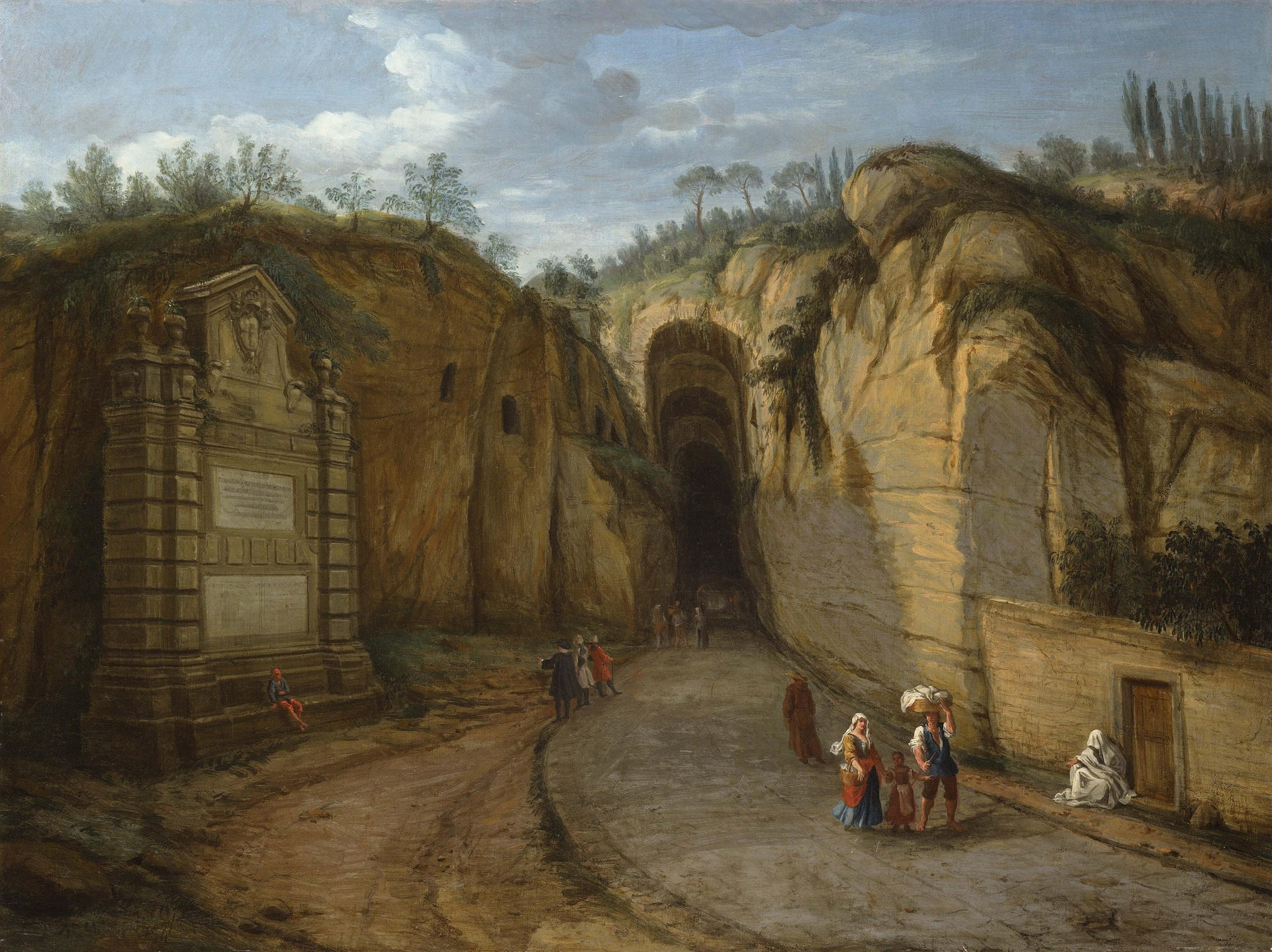
The exhibition delves into the rich artistic history of Naples and Sicily (together known as the Kingdom of the Two Sicilies), presenting the work of old masters alongside modern artists, linked by their ties to the southern Italian region. It was King Alfonso V of Aragon who first established the Kingdom of the Two Sicilies in 1442, the result of successfully reunifying the separate states of Naples and Sicily. Whilst the two territories have a long history of division and reunification, the strength of their collective artistic output has remained a constant throughout.
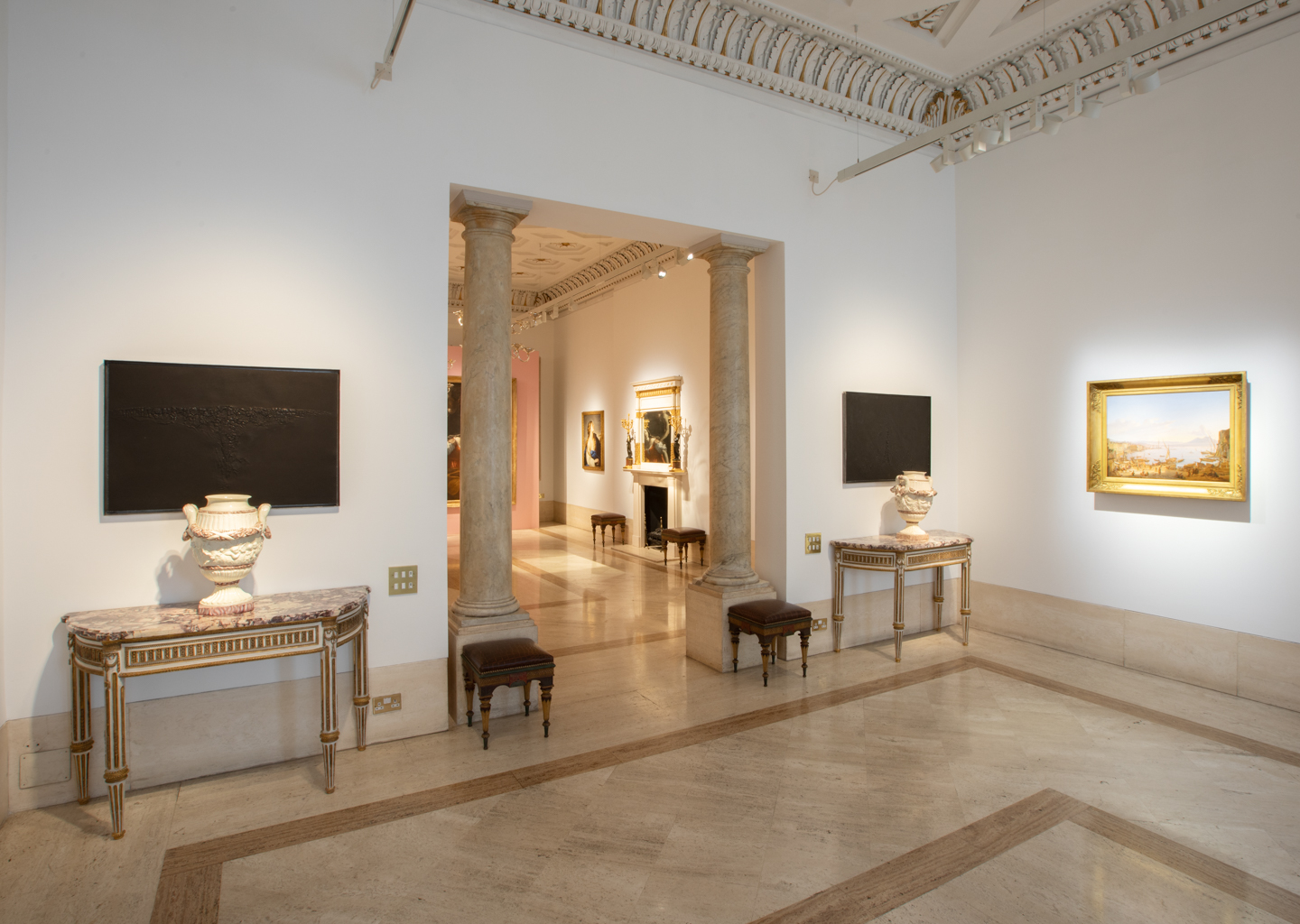
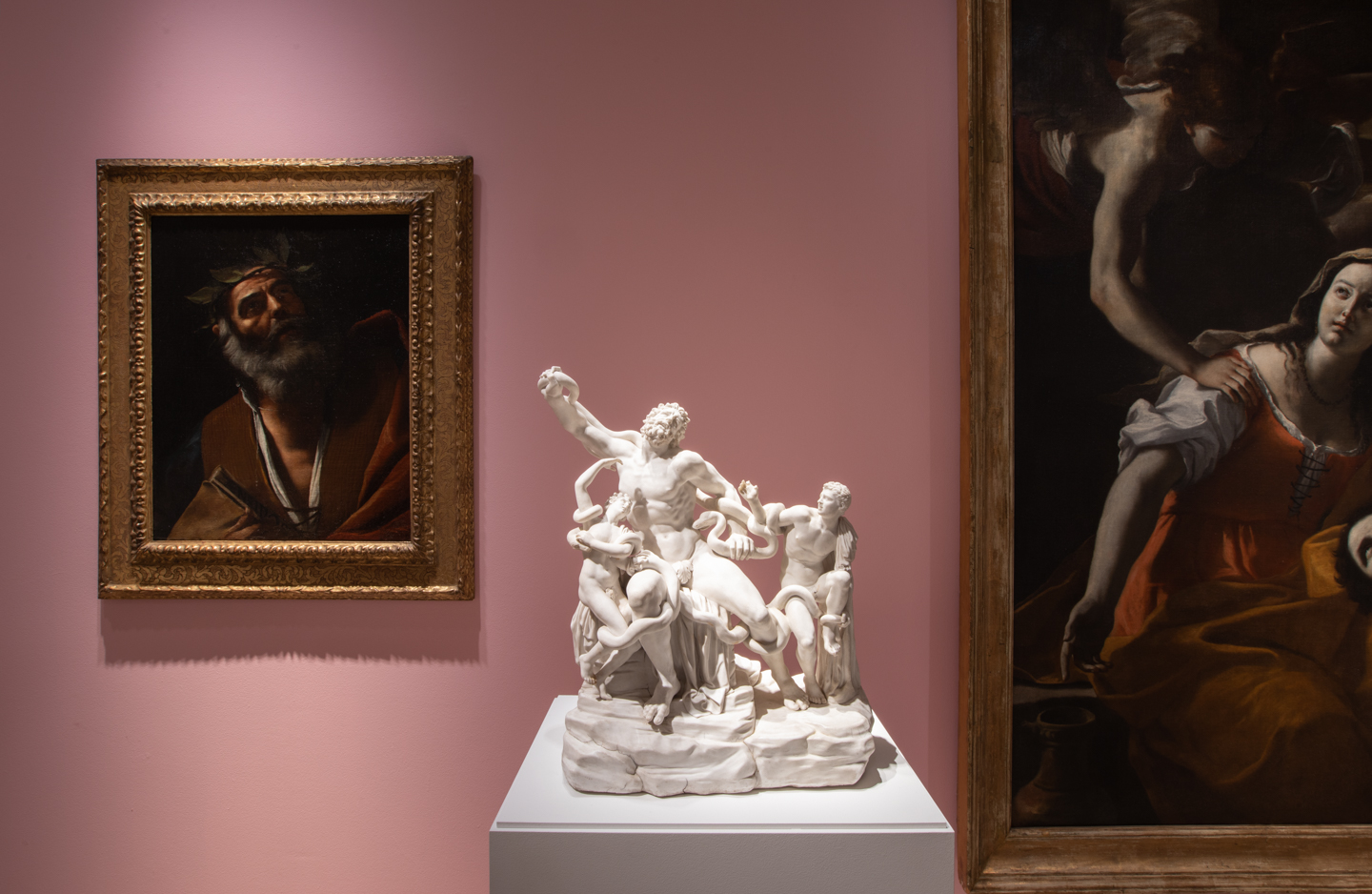
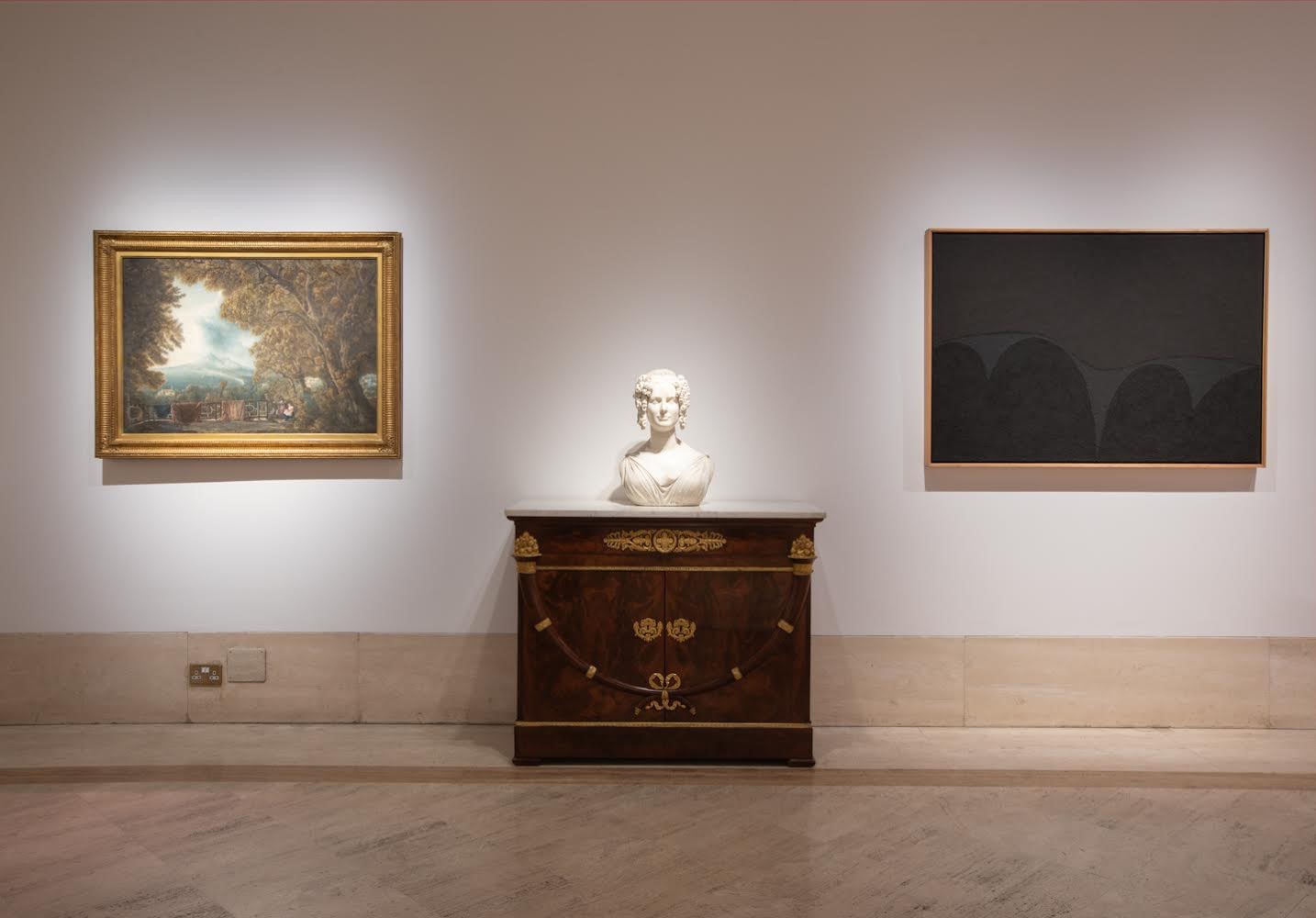
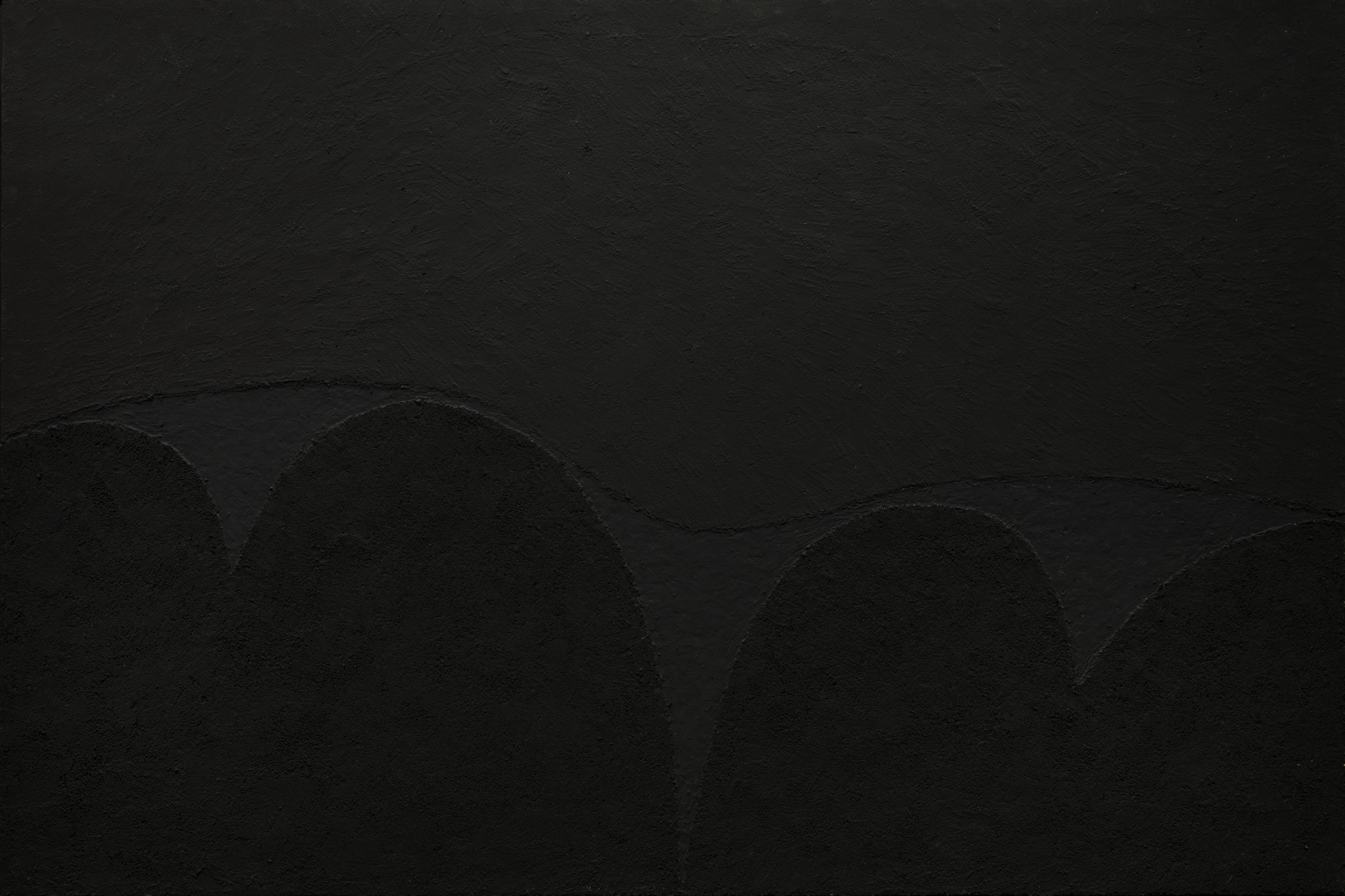
Many of the works in Kingdom of the Two Sicilies are by artists who were either born in the area or spent significant time there. For example, the exhibition includes two paintings by Mattia Preti (1613-1699), who spent seven years working in Naples from 1653-1660. His work Virgil (1630) offers a fascinating insight into the early years of the artist. The relatively small canvas provides an intimate look at the superb technical ability of Preti, his masterful use of chiaroscuro demonstrating the enduring influence of Caravaggio who died two decades prior. Moreover, the inclusion of four canvases by Alberto Burri (1915-1995) in the exhibition attests to the more recent artistic achievements of the Italian region. Burri’s Citta series (1971), many of which were created in Naples, demonstrate the artist’s interest in material properties and his unique method of testing the limits of the canvas. The fractured surface of the canvases further alludes to the cracking of paint over time, highlighting the close relationship between the old and the new. The connection between past and present in Burri’s work is in many ways a theme central to the exhibition itself, which displays some of the finest artworks from Naples and Sicily across the last five centuries.
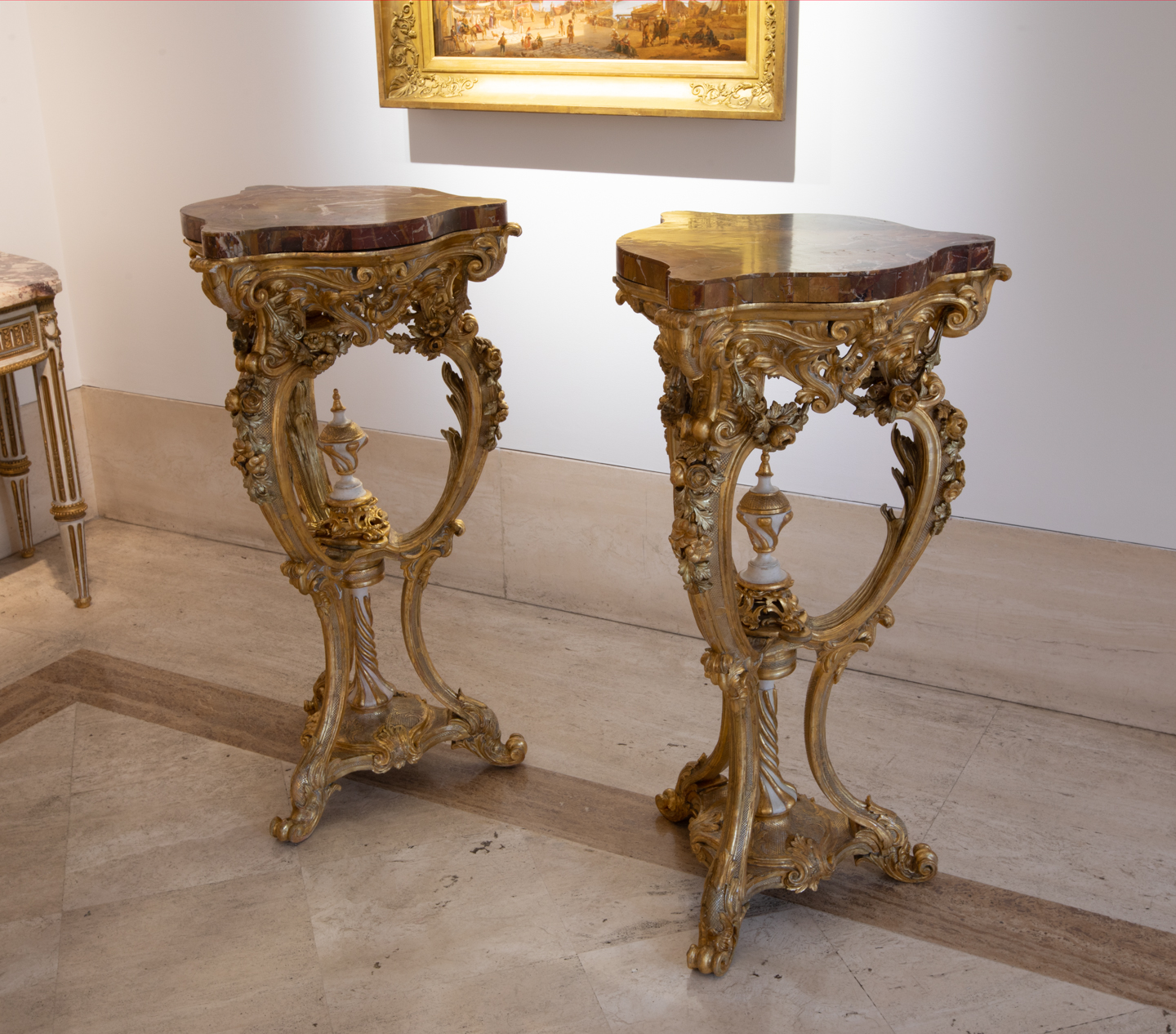
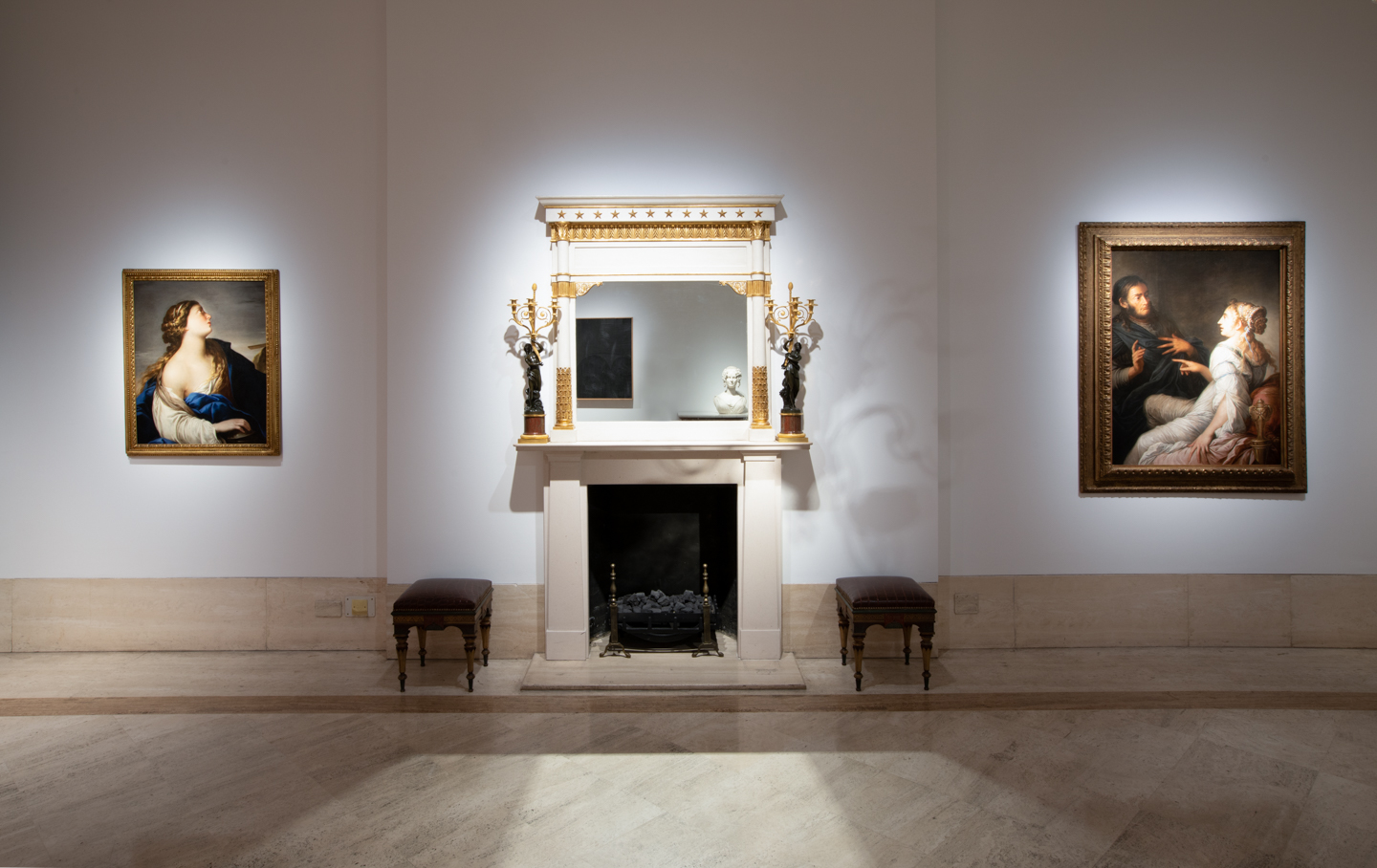
As well as paintings, Kingdom of the Two Sicilies includes a variety of interesting sculptures and objets d’art. One such sculpture is the very rare Laocoon Group (c. 1785) modelled by Fillipo Tagliolini (1745-1809). The artist spent many years working in Naples and it is thought that Laocoon Group was created in the likeness of a piece originally intended for the palace of Emperor Titus. Tagliolini’s work thus falls in line with the 18th Century tradition of copying famous sculptures. However, this is not to undermine the artist’s creativity and masterful handling of the biscuit porcelain, evident from the exquisite delicacy with which he has sculpted the piece. The objects included in the exhibition play an important role in revealing the refined, cosmopolitan culture of the Kingdom, especially in the 18th Century. This is evident from a pair of Italian Royal Louis XVI lacca and giltwood console tables with Breccia di Vituliano marble tops (c. 1790).
The tables have an intriguing amalgamation of influences from Italy and France. Furthermore, it is believed that they originated from a Bourbon royal palace in Naples. The affiliation between France and Italy as understood through the pair of tables points to a high society with an extremely refined taste and a decidedly international outlook.
Through the curated selection of paintings and sculptures, Kingdom of the Two Sicilies presents an enchanting look at the art of Naples and Sicily, celebrating the undeniable beauty born out of the region. The works in the exhibition are linked not only by the area itself but by the exquisite skill of the artists that created them.